
Asia Gripped by Energy Crisis, Indonesian Coal Entrepreneurs Quietly Smile
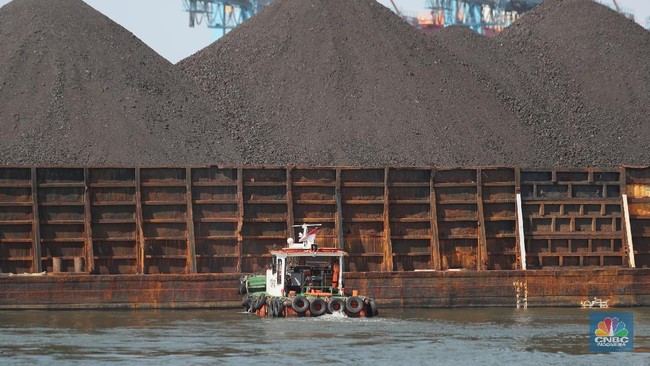
Harga batu bara kembali membara ditopang lonjakan harga minyak dan gas alam. The April contract coal price closed at US$142 per tonne on Thursday (26/3/2026) trading, surging 3.3%. This strengthening breaks the negative trend of coal prices falling 6.1% over the previous three days. Yesterday’s closing price also marked the highest since 20 March 2026. Coal prices have risen again amid concerns over the energy crisis, particularly in Asia due to the oil price surge. The Brent crude futures contract jumped 5.66% to US$108.01 per barrel, while West Texas Intermediate rose 4.61% to US$94.48 in Thursday’s trading. Coal prices had previously surged around 20% since the Iran war began, as ongoing disruptions to global oil and gas flows forced major countries’ power plants to increasingly rely on coal. The threat of an energy crisis has also led many Asian countries to return to coal. The Asian region is highly vulnerable due to its dependence on energy imports, much of which passes through the Strait of Hormuz, connecting about one-fifth of global oil and gas trade. LNG (liquefied natural gas) is gas cooled to a liquid form for easier storage and transport. LNG has been promoted as a “transitional fuel” from coal and oil to cleaner energy. The United States has also sought to expand LNG exports to Asia. Although cleaner than coal, LNG still produces emissions, particularly methane. However, the war has caused many countries to revert to coal to fill the LNG shortfall. India is increasing coal burning to meet the summer electricity demand surge. South Korea has lifted restrictions on coal-based electricity use. Indonesia is prioritising domestic coal usage. Thailand, the Philippines, and Vietnam are also boosting coal-fired power generation. Coal has become a key part of Asia’s emergency energy plans due to its widespread availability. According to Sandeep Pai from Duke University, coal serves as the primary reserve option when renewables or gas are insufficient. China, the world’s largest coal consumer and producer, has added power generation capacity since 2021 to bolster energy resilience. Its national policies still support coal use, even as clean energy capacity grows. India, the second-largest consumer, faces extreme summer heat and will rely on coal to meet peak demand of up to 270 gigawatts. Current coal reserves are sufficient for about three months. Some energy imports continue. For instance, India’s LPG shipments can still pass through the Strait of Hormuz, but they are likely to be used for industries like fertilisers rather than power generation. RI Untung? This demand surge could benefit Indonesia as the largest thermal coal exporter. The government plans to increase national coal production as a precaution against the impact of the Middle East war, which has triggered global energy price rises. Coordinating Minister for the Economy Airlangga Hartarto revealed that the government is evaluating an increase in coal production volume in the 2026 Work Plan and Budget (RKAB). This step follows directives from President Prabowo Subianto. The coal production increase is expected to help curb risks of surges in fuel oil (BBM) prices and other energy commodities due to geopolitical turmoil. Currently, the government is assessing the increase in coal production volume in the 2026 RKAB to determine production and export quotas. Rising energy prices, including coal, are burdening Southeast Asia. Philippine President Ferdinand Marcos Jr. has even declared a national energy emergency. The current increase in coal use also risks hindering long-term coal reduction targets. South Korea still plans to phase out coal-fired power plants by 2040 but is now allowing greater coal use amid LNG shortages. However, to achieve net-zero targets, the country needs major renewable energy expansion. Over the past 11 years, South Korea has allocated US$127 billion to fossil fuels, 13 times more than renewable energy investments. Although still committed to reducing coal, these current steps could set long-term precedents. In countries like Thailand, the impact on electricity prices is relatively small because coal accounts for less than 10% of the energy mix.