
ASEAN strengthens cooperation in addressing disaster impacts in the region
Jakarta (ANTARA) - The Association of Southeast Asian Nations (ASEAN) is strengthening cooperation in addressing losses and damages, as member countries strive to mitigate the growing impacts of climate-related disasters on communities, economies, and infrastructure throughout Southeast Asia.
At the inaugural session of ASEAN Climate Week 2026, officials stressed that beyond mitigation and adaptation, countries must also prepare for unavoidable impacts, such as damage to homes, loss of livelihoods, and disruptions to essential services due to extreme weather events.
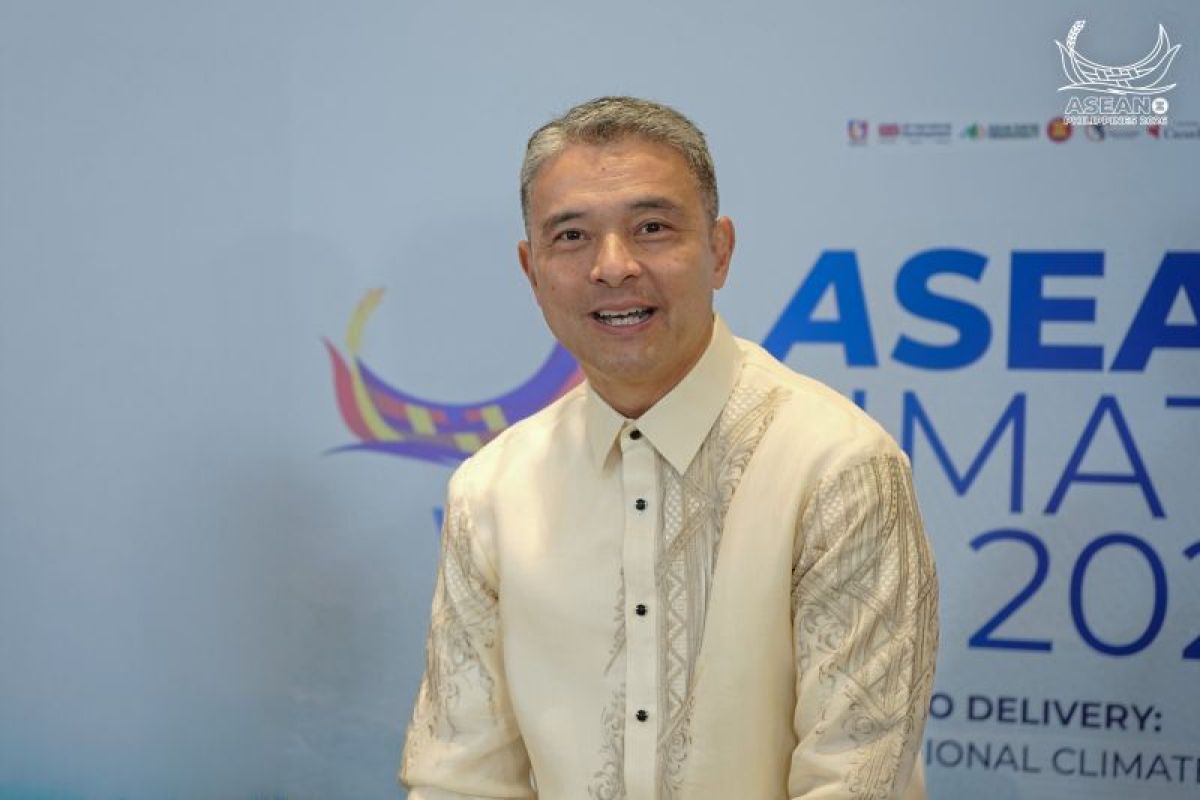
Philippine Secretary of the Department of Environment and Natural Resources (DENR), Juan Miguel T. Cuna, underscored the importance of regional coordination.
“What ASEAN is doing in this regard is to promote stronger coordination and collaboration among ASEAN member countries, as well as to encourage the sharing of resources and technical expertise,” said Secretary Cuna on the official website of the Philippine Chairmanship for ASEAN 2026, on Wednesday.
He added that ASEAN is also working to better assess the readiness of member countries and identify gaps in responding to climate impacts.
“There is a study on losses and damages… aimed at assessing the readiness of various ASEAN member countries in facing climate change, and in the process identifying their specific needs so that they can be addressed,” he said.
In practical terms, strengthening cooperation on losses and damages can help enhance countries’ post-disaster responses—enabling faster mobilisation of aid after typhoons, improving access to financing for rebuilding damaged homes and infrastructure, and supporting recovery programmes for affected sectors such as agriculture and fisheries.
Regional efforts also focus on improving climate risk management systems, enhancing data sharing, and building technical capacity so that governments can better plan for and respond to climate-related losses.
This includes developing clearer mechanisms for accessing international climate funds and aligning national and regional approaches to disaster response and recovery.
Through ASEAN Climate Week, member countries engage in technical discussions, knowledge exchanges, and capacity-building activities aimed at strengthening these systems and ensuring that support mechanisms are available when climate impacts occur.
As the Philippines leads ASEAN in 2026, advancing cooperation on losses and damages remains a top priority to support a more coordinated, responsive, and resilient region in the face of increasing climate risks.