
ASEAN-EU Push for Stronger Sustainability Cooperation Amid Energy Crisis
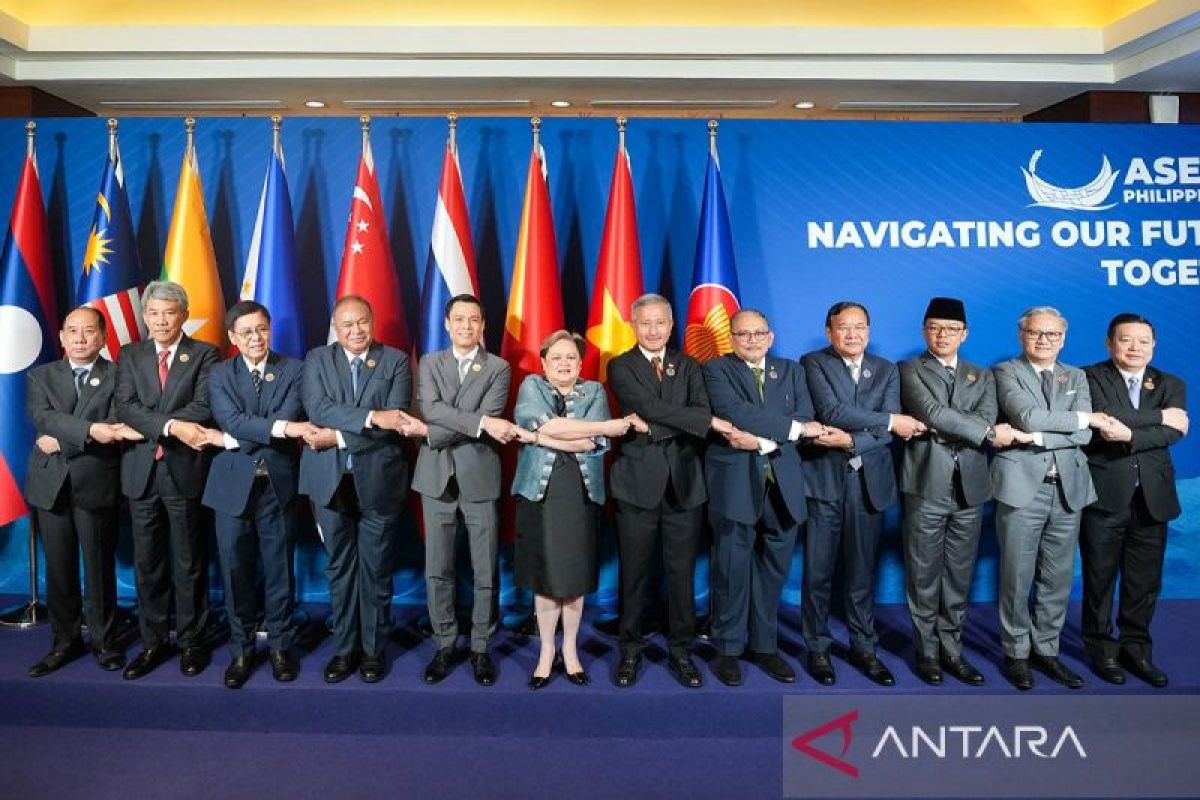
Cebu (ANTARA) - Leaders from ASEAN and the European Union (EU) on Thursday called for stronger regional cooperation and urgent action for sustainability efforts, energy transition, and economic resilience. The call came as Southeast Asia faces mounting pressures from the ongoing energy crisis and supply chain disruptions. Speaking at the inaugural ASEAN-EU Sustainability Summit 2026 in Cebu, government officials, diplomats, and business leaders emphasised that sustainability has become the core of economic stability and long-term competitiveness in the region. The meeting, held on the sidelines of the ASEAN Leaders’ Summit, brought together more than 200 policymakers, ambassadors, and senior industry executives from across ASEAN and Europe to discuss practical strategies for strengthening climate cooperation, trade, food security, and resilient supply chains. Philippine Finance Secretary Frederick Go highlighted the role of deeper economic partnerships between the Philippines and the EU. “Europe and the Philippines have a stable and growing partnership, built through trade, investment, and development cooperation,” Go said in a ministerial keynote speech. “Currently, the focus is also on sustainability, climate, and inclusive growth, and we remain committed to deepening our collaboration with the EU and advancing our shared priorities.” Go also described the proposed EU-Philippines Free Trade Agreement as “this country’s most important economic agreement this year,” noting that both sides aim to sign the deal in the third quarter of 2026. “Amid global uncertainties marked by energy volatility, supply chain disruptions, and rising costs, this summit is very timely,” said Paulo Duarte, president of the European Chamber of Commerce of the Philippines (ECCP) and a member of the executive board of the EU-ASEAN Business Council. “It reflects a shared recognition across the region that sustainability is no longer an option. It is essential for economic resilience, competitiveness, and long-term growth,” Duarte added. Meanwhile, EU Ambassador to the Philippines, Massimo Santoro, emphasised the need to align climate ambitions with adequate funding and implementation mechanisms. “While we have the right ambitions in setting targets for climate and environmental action, we do not always align the financial resources needed to realise those ambitions,” Santoro said. “Strengthening the link between ambition and funding is crucial to turning policies into real impact on the ground.” Santoro added that an integrated regional approach is necessary for sustainability and resilience. “There should be no silos between cooperation on trade, climate, and disaster risk reduction, as these are interconnected challenges,” he said. “The current energy situation must be an opportunity to accelerate this integrated approach, including on renewable energy and economic resilience.” Indonesia’s Deputy Minister for National Development Planning, Leonardo Teguh Sambodo, stated that governments in ASEAN must also balance two main objectives: maintaining economic growth while reducing emissions, to achieve true long-term sustainability. “The only viable path forward is integrated planning that incorporates sustainability into every aspect of development.”