
ASEAN Business Expansion Shadowed by Protectionism and Trade Agreements Not Optimised
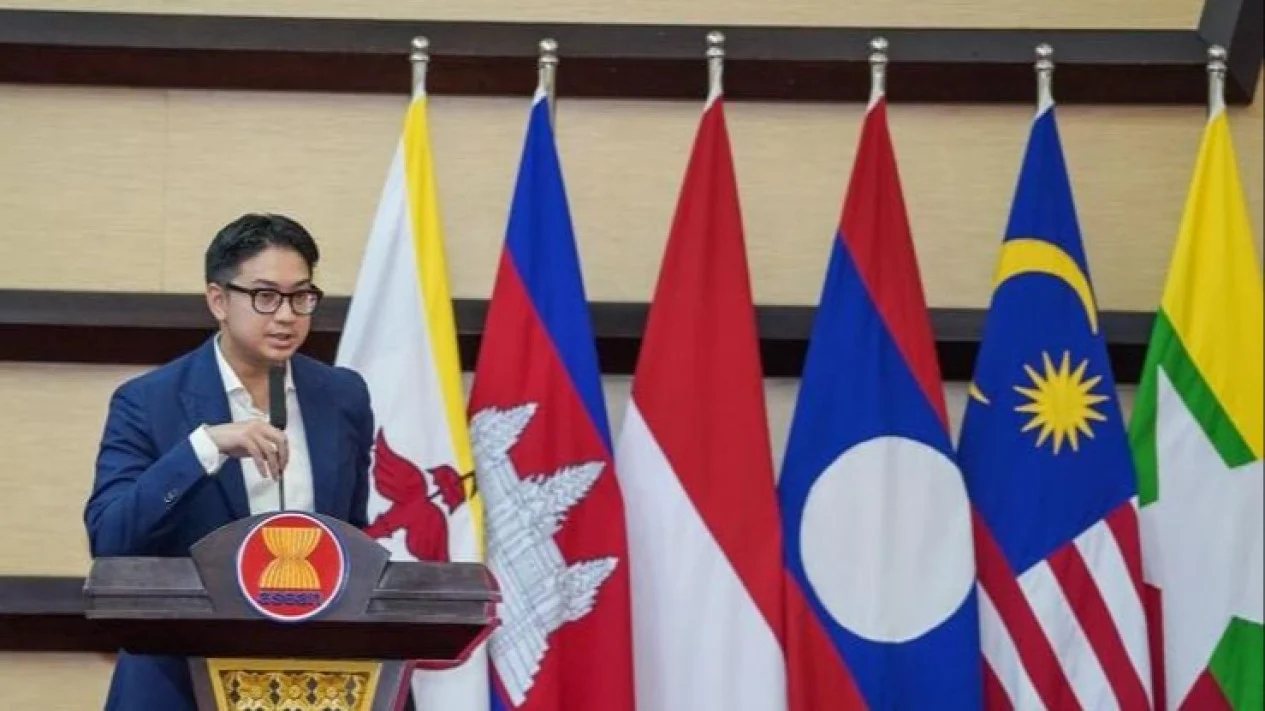
Jakarta – The ASEAN Business Advisory Council (ASEAN-BAC), in partnership with CSIS Indonesia and JETRO Jakarta, released the survey ‘ASEAN Business Barometer 2026’, drawing on perspectives from 395 private-sector companies across the region.
Executive Director of ASEAN-BAC, Rifki Weno, said the survey reveals a complex economic landscape, even as business players remain highly optimistic about regional growth.
They are simultaneously preparing for severe supply-chain disruptions caused by global protectionism, while still struggling to maximise the benefits of existing free-trade agreements.
‘This year’s survey sends a very clear message: the business sector in ASEAN is very ambitious and ready to expand, but they face real challenges from global protectionism and the intricacies of the green transition,’ Rifki said in a statement on Thursday, 5 March 2026.
He added that the survey is also designed to provide practical, forward-looking recommendations to minister of economy and ASEAN leaders. It also highlights the urgent need for regional policies to be aligned as companies navigate a global economy in transition.
Rifki explained that the utilisation rate of trade agreements (FTAs) remains below potential, given the limited readiness of SMEs highlighting the urgency for ASEAN leaders to streamline regulation, facilitate access, and provide more targeted support to keep the region resilient,’ he said.
Key findings of Barometer 2026 include:
Aggressive expansion plans: About 70 per cent of respondents said they would ‘expand’ their business in the next 1-2 years. Moreover, nearly half (48 per cent) expect an increase in operating profits in 2025 compared with 2024.
Fears of protectionism and tariffs: A substantial majority (75 per cent) express concern about rising protectionism. U.S. tariff exposure is concentrated in the manufacturing sector, affecting 64 per cent of manufacturers compared with 40 per cent of all companies. This has led to supply-chain disruptions, downward price pressures, and greater uncertainty in planning for affected firms.
Missed free-trade opportunities: About 70 per cent of firms recognise the existence of ASEAN FTAs and RCEP. Yet the utilisation rate of FTAs (including RCEP) stands at only 48 per cent. Surprisingly, 40 per cent of those not making use of them say they ‘do not know where to start’.