
As US Abandoned by Allies, NATO Countries Begin to Look to China
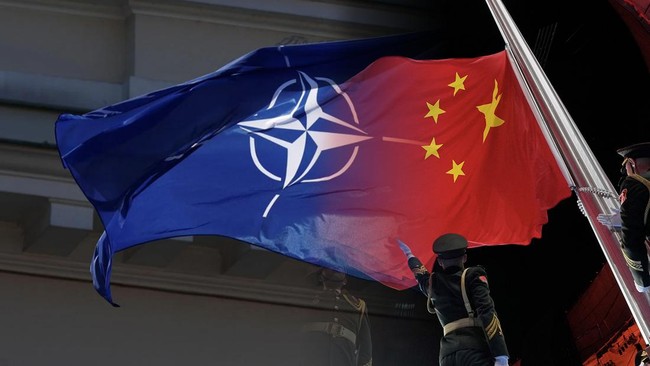
Jakarta, CNBC Indonesia - Several NATO member countries are beginning to shift their attention to China to help ease the Iran conflict. This shift is occurring amid cracks in solidarity with the United States, which has long been the main actor in the region.
Spanish Prime Minister Pedro Sánchez has openly urged Beijing to take a greater role in promoting peace, particularly in the Iran conflict that has shaken Middle East stability. During his visit to Beijing, Sánchez assessed China as a global power with a unique position to reduce tensions.
“I find it very difficult to find any other party, besides China, that can resolve this situation in Iran and the Strait of Hormuz,” said Sánchez, as quoted by Newsweek, Wednesday (15/4/2026).
This urging comes amid rising tensions between the US and its NATO allies. Several European countries, including Spain, have openly refused to participate in Washington’s military operations, with Madrid even prohibiting the use of its airspace and military bases for the Iran war effort.
This stance shows the beginning of strains in transatlantic relations, where President Donald Trump previously expressed disappointment with NATO’s response, which he deemed insufficient in supporting US actions.
On the other hand, Chinese President Xi Jinping has emphasised the importance of multilateralism amid escalating global conflicts. He warned the world against returning to a “law of the jungle” in resolving international disputes, while opening space for China to emerge as a new balancer in global geopolitics.
Spain’s approach to China also reflects a broader strategy in Europe. Several Western leaders are known to be increasing communication with Beijing, amid concerns over the US military approach that is seen as exacerbating the conflict.
International relations observers assess that China has significant interests in maintaining regional stability, particularly due to its dependence on energy supplies from the Persian Gulf. This position gives Beijing strong leverage to push for de-escalation, including encouraging Iran to accept a temporary ceasefire.
The Iran conflict itself has widened since recent US and Israeli military strikes, triggering casualties and disruptions to global energy routes, particularly in the Strait of Hormuz, which is the lifeline of world oil trade.
In the midst of this situation, China has stated its readiness to play a “constructive role” in easing tensions and maintaining regional stability.
Diplomatic efforts are now continuing, with peace talks between the US and Iran still being pursued despite previous deadlocks due to sharp differences, particularly regarding Tehran’s nuclear programme.
This condition marks an important shift in the global power map. As NATO allies begin seeking alternatives beyond Washington, China is slowly emerging as a key new player in international conflict resolution efforts, including the Iran war.