
As the War Heats Up, Why Has Russia Yet to Aid Iran?
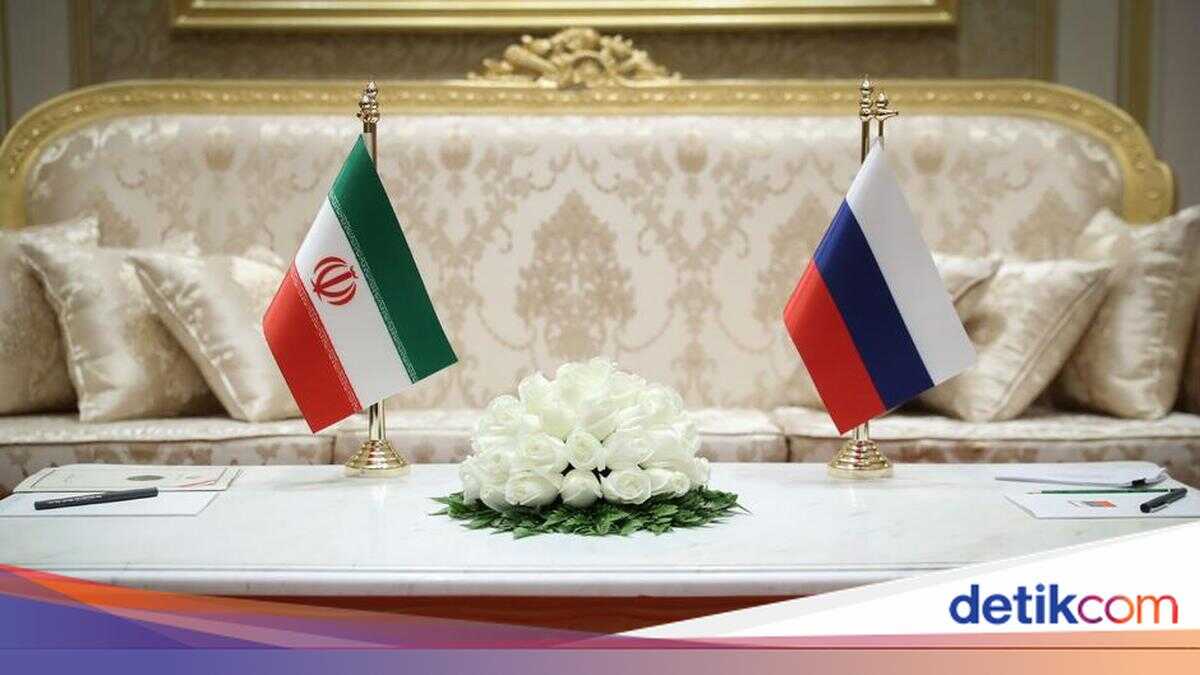
Only a few hours after Israeli and United States bombing of Tehran began on Saturday (28 February), Russia issued a firm statement. Russia’s Permanent Representative to the UN, Vassily Nebenzia, described the attack as “an act of armed aggression against a sovereign and independent United Nations member state without provocation.” Russia is one of Iran’s main allies, and the potential collapse of the Iranian regime could threaten Russia’s geopolitical and economic interests. So, why hasn’t Russia stepped in directly to assist Iran?
RUSSIA–IRAN PARTNERSHIP IS NOT IDEOLOGY-BASED
Moscow and Tehran have cooperated on a number of economic projects vital to Russia. This was stated by Nikita Smagin, a Russian and Middle East researcher based in Azerbaijan.
“The North–South Transport Corridor is one of the projects, especially after Russia was cut off from its traditional transit routes following its full-scale invasion of Ukraine in February 2022,” he said.
Russia, India, and Iran signed an agreement to develop a multimodal network spanning 7,200 kilometres in 2000. The route was also planned to pass through Azerbaijan. According to the Gulf Research Center, based in Saudi Arabia, around 75% of the project has been completed.
Iran also plays an important military role for Russia, including supplying Shahed drones since 2023. The drone is said to have changed the dynamics of the war in Ukraine, said Julian Waller, a researcher in the Russia Studies Program at the Center for Naval Analyses (CNA) in the United States.
“Iran is useful for Russia’s war effort, even though drone production is now largely localised in Russia with improved designs,” Waller told DW.
Russia is also reported to share intelligence with Iran and to send missiles and ammunition to Tehran.
However, Smagin argues that the Russia–Iran partnership is not ideologically based. “Russian politicians do not particularly like Iran, but they see it as a reliable strategic partner because both countries are under international sanctions. This is different from Turkey or Egypt, which could end trade with Russia if pressured by the West,” he explained.
Gregoire Roos, Director for Europe and Russia at the Chatham House think tank in London, even assesses that Tehran, to some extent, has become a mentor for Moscow.
“Iran has a long experience in evading international sanctions and has offered Russia advice on how to circumvent them,” Roos said.
Iran miscalculated?
Nevertheless, experts agree that active Russian intervention in the US–Israel war with Iran is unlikely.
“Both countries are not defence allies,” said Waller. Some analysts also cite an informal non-aggression agreement between Russia and Israel as a factor.
According to Mojtaba Hashemi, a scholar of international relations and political analyst, Tehran actually expected “real political and military support” from Moscow, including expanded technical-military cooperation, intelligence sharing, and the sending of clear deterrence messages to enemies, not just verbal support, Hashemi told DW. He judged the regime in Iran to have miscalculated.
“Russia and China have bigger problems to consider. Their support has so far been limited to arms supplies and tools of repression for Iran,” he said.
But Mohammad Ghaedi, a lecturer at George Washington University, sees the limited support from Russia as unsurprising for Iranian leaders.
“Scepticism about dependence on Moscow has long been present in Tehran. As former Iranian President Mahmoud Ahmadinejad once said, ‘Russia always sells the Iranian nation’. President Masoud Pezeshkian after the 12-day war in June 2025 also stated that ‘the countries we consider friends do not help us during war,’” he noted.
Pros and cons for Russia in the Iran war
The prolonged Iran war is seen to have a positive side for Russia. Roos of Chatham House says media attention on Ukrainian President Volodymyr Zelenskyy will wane as the world’s focus shifts to Iran and the risk of escalation.
“Moreover, the US is not capable of sustaining fronts on secondary diplomatic and military grounds. The hierarchy of priorities will shift to the Middle East,” he said.
Economically, Russia could also benefit. Iran largely closes the Hormuz Strait, the waterway through which around 20% of world oil and gas passes. Energy prices rise.
“If oil and gas prices stay high for months or even a year, that would be very advantageous for Russia as an oil and gas exporter,” said Waller. He added that the Kremlin could lower domestic taxes that were previously used to finance the war.
Yet, the prospect of the Iranian regime collapsing would be a major setback for Russia’s position. Moscow has long sought to present itself as a great power.
“Russia is part of a group of countries including Iran, Syria, and China that aims to replace a Western-led world order with a multipolar world,” Roos said. “But this group has not receded as quickly as it is now doing, which means Russia would lose significant influence in the Eurasian sphere,” he added.
Will the Russia–Iran alliance endure?
Hashemi believes the subdued support from Russia could jeopardise ties between the two countries. “Russia and China essentially use Iran as a geopolitical bargaining chip against the West. If the regime is weakened, Russia is likely to seek assurances from Iran’s next government rather than invest in a failing structure. China would do the same to maintain some influence. But both recognise that relations with Iran after the Islamic Republic will be very different,” he said.
Meanwhile, Ghaedi thinks the current Iranian regime still wants to maintain closeness with Russia.