
As Taiwan Draws Closer, China Prepares 'Adhesive Glue'
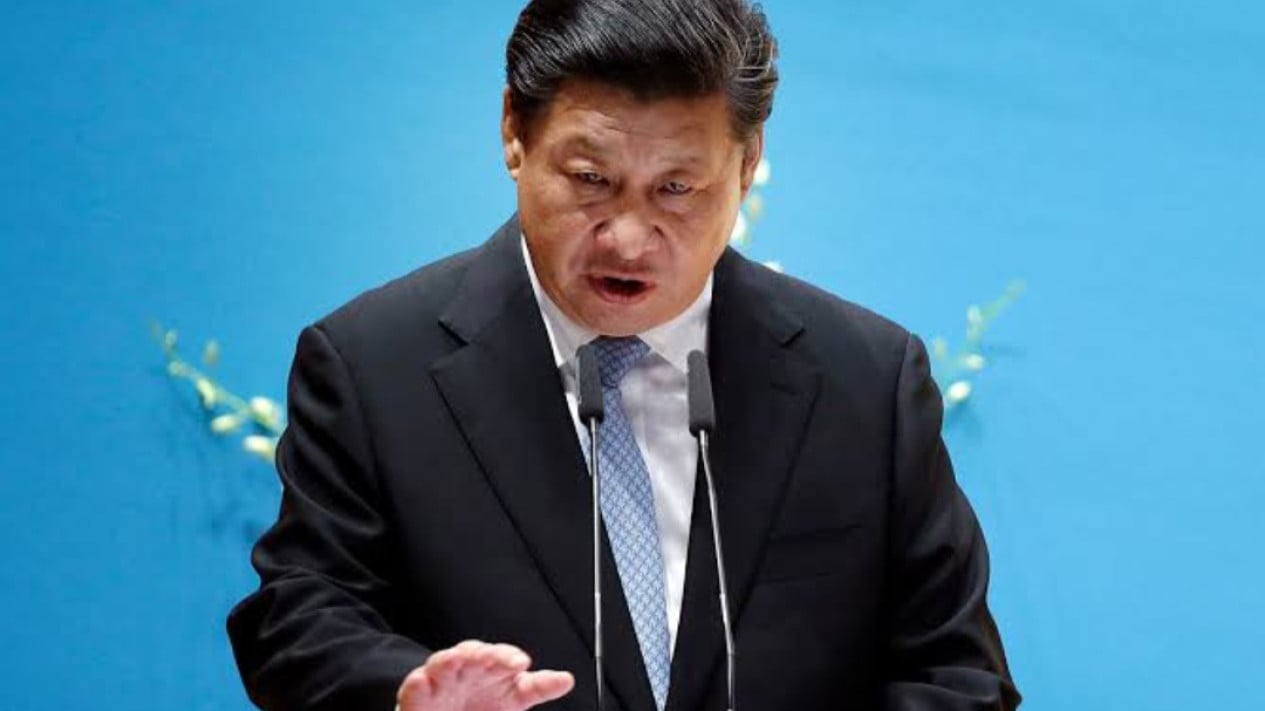
China has officially launched a new 10-point economic incentive package for Taiwan. The announcement came after a six-day visit to Beijing by Kuomintang (KMT) Party Chairman Cheng Li-wun to meet President Xi Jinping. Citing the Russia Today website, Thursday, 16 April 2026, the ten economic incentive packages include accelerating the full resumption of regular direct flights across the Taiwan Strait and facilitating access for Taiwanese food products to the Chinese market. The package also includes sharing energy and water supplies with Matsu and Kinmen, islands administered by Taiwan that are geographically closer to mainland China, as well as efforts to build a bridge to connect them. Nevertheless, this visit has been repeatedly criticised by Taiwan’s ruling Democratic Progressive Party, while Taiwan’s Mainland Affairs Council (MAC) has warned Cheng that “crossing boundaries” during his visit to mainland China could land him in prison. MAC also urged caution regarding Beijing’s latest announcement, stating that similar measures have been repeatedly implemented and then halted by China in the past. “The same pattern is now being repeated. Without any institutional protection for Taiwan’s industries, farmers, fishermen, or the rights and interests of the people, these measures are highly risky,” MAC said in its official statement. Taiwan Presidential Office Spokesperson Karen Kuo added that any exchange of information must not be subject to political preconditions and should not be used as a tool for political manoeuvring or deals by certain parties. Cheng was undeterred. He instead expressed thanks to Xi Jinping for the proposed economic incentive package. “As I said during the meeting with President Xi (Jinping), everything must be done step by step,” he stated. Taiwan has been a de facto territory since 1949, when Chinese nationalist forces fled to the Formosa Islands after losing the civil war. Beijing regards the island as an integral part of its territory under the One China policy, which is supported by most UN member states.