
As in Gaza, US-Israel kill more than 1,000 civilians in Iran and bomb a dozen hospitals
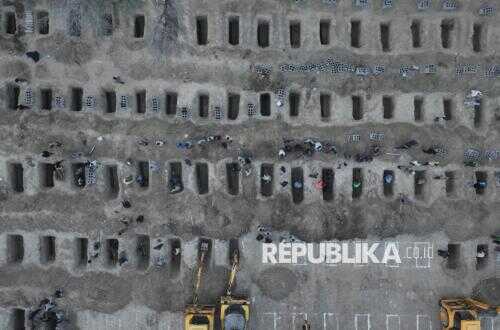
Tehran — More than 1,000 civilians have been killed in the first five days of the US-Israel bombing of Iran, according to the American-based HRANA, the Human Rights Activist News Agency. The figure includes 181 children under ten, HRANA said, which has compiled reports of 1,230 civilian deaths and more than 5,000 wounded so far in a war that began on Saturday with a wave of large-scale air strikes across the country that killed Iran’s Supreme Leader Ali Khamenei and other military and political leaders. It said that a further 880 deaths reported at present are under review for verification and classification. The death toll in Iran includes 175 female pupils and staff in a missile attack on Saturday at a school in Minab. In another school attack, two people were killed. Meanwhile, US strikes on an Iranian vessel sailing in the Indian Ocean killed more than 80 people. Al Jazeera reported on Thursday. Iran’s Health Ministry said 11 hospitals, seven emergency centres, nine ambulances and four other medical facilities were damaged as a result of the US-Israel strikes on Iran. The WHO said it had verified more than 10 attacks on Iran’s health infrastructure amid the US-Israel campaign, killing four health workers and injuring 25. “WHO has verified 13 attacks on health services in Iran and one in Lebanon,” WHO Director-General Tedros Adhanom Ghebreyesus said at a press conference. Another WHO official at the same briefing added that four ambulances were also affected and that hospitals and other health facilities suffered minor damage from nearby strikes. HRANA said that “various locations and infrastructure, including several military bases, two health centres, and one residential area,” were hit by air strikes between 2 March and 3 March, including reports of damage to Shohada Hospital in Sarpol-e Zahab and a field hospital in Salas-e Babajani. The group added that the strikes may violate international humanitarian law, but stated that this is an “early finding and still to be verified.”