
As Hormuz crisis threatens global energy, diplomacy offers hope
Jakarta - The world was shaken when a combined assault by the United States and Israel against Iran in late February caused massive infrastructure damage and loss of life, including an attack on Iran’s Supreme Leader Ayatollah Ali Khamenei. Tehran subsequently launched retaliatory strikes against Israel and US military bases and assets scattered across nearly all nations in the Persian Gulf region, with Iranian missiles and drones targeting Israeli territory and the Arabian Peninsula.
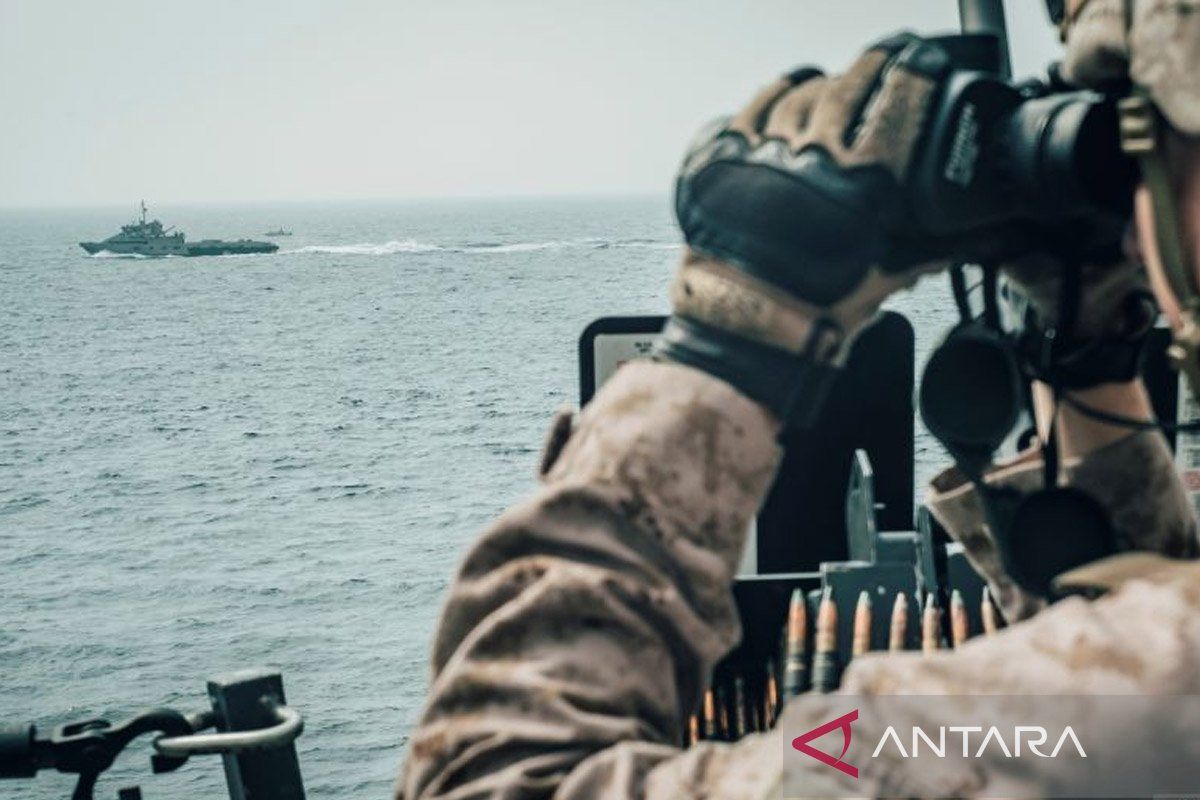
Beyond launching missiles, Iran also blockaded the Strait of Hormuz, one of the world’s most critical shipping routes for oil and gas commodities, in retaliation for the US-Israeli assault. Iranian military forces threatened to destroy any vessel attempting to pass through.
With the closure of the Strait of Hormuz, the consequences of the US-Israeli-Iranian conflict have reached the economic sector, driving up global oil prices and raising concerns about the production of various commodities, from vehicle fuel to fertilisers. Several nations, such as Japan, have had to release their emergency oil reserves to prevent an energy crisis caused by supply disruptions.
US President Donald Trump initially joked that tankers could still safely transit the Strait of Hormuz after the US had “destroyed” Iranian naval vessels, whilst dangling the prospect of protection from US warships. However, after several vessels that attempted to breach the blockade were attacked, Trump has now asked other nations to share responsibility for the security of their ships in the region, including his trade rivals such as China.
Besides China, Trump has also called upon France, Japan, South Korea and the United Kingdom to send warships to the Strait of Hormuz. These calls have yet to receive positive responses.
Amidst Trump’s continued pressure for military approaches to secure the maritime region, several countries, including India, have successfully secured the safety of their tankers in the Strait of Hormuz through dialogue with Tehran. After two Indian tankers safely transited the Strait of Hormuz on Saturday 14 March, Indian Foreign Minister S Jaishankar told the Financial Times that this demonstrated the success of diplomacy and showed that it was better to “engage in dialogue and coordination so that we can find solutions”.
The Strait of Hormuz is a critical passage for oil and LPG supplies from Gulf states to global markets, with 20 per cent of total trade in these commodities passing through it.
Given this, the crisis has inevitably impacted Indonesia, which receives a portion of its energy supplies through the Strait of Hormuz. The government has noted that approximately 20-25 per cent of Indonesia’s crude oil imports are shipped through the strait between Iran and Oman. Moreover, two tankers belonging to Pertamina International Shipping (PIS) have been reported stranded in the Persian Gulf region, unable to transit the Strait of Hormuz due to the conflict.
In response, the Indonesian government through its representatives in Tehran has pursued intensive diplomatic engagement with Iranian authorities to ensure that vessels carrying energy supplies to Indonesia can safely pass through the Strait of Hormuz. “We will continue to push for intensive diplomatic approaches regarding this specific issue, as it is crucial for us,” said Indonesian Foreign Ministry spokesperson Yvonne Mewengkang.
According to the Indonesian Foreign Ministry’s Director General for Asia-Pacific and Africa Santo Darmosumarto, the still-tense and unconducive conditions in the region require enhanced diplomatic efforts with local authorities. Ongoing dialogue continues with various stakeholders in Iran to ensure that Pertamina’s interests in the Strait of Hormuz remain secure amid the intensity of the conflict.
Diplomacy as the primary step
According to international relations expert from Padjadjaran University Teuku Rezasyah, employing diplomacy as the primary means to protect national economic interests hindered at the Strait of Hormuz enables nations to respond appropriately to regional dynamics. This dialogue approach can also maintain Tehran’s trust during its conflict with the US and Israel.
Rezasyah believes that if nations resort to military escorts and deploy warships to the Strait of Hormuz, as President Trump has called for, Tehran may interpret this as a lack of confidence in diplomatic channels. “Military escorts can also be perceived as openly supporting the United States,” said the Padjadjaran University academic.
Therefore, it is the correct approach for Indonesia to maintain communication with the Iranian government to ensure national interests, particularly regarding energy security, are protected. He also cautioned that Indonesia, whilst pursuing diplomacy to protect its energy interests, must maintain good relations with Iran and respond wisely to Tehran’s retaliatory strikes against US and Israeli attacks.
President Trump may have believed that the assault he launched against Iran would be as clean and successful as the military operation against Venezuela earlier this year. However, what has instead emerged is mounting anger from Tehran, which has launched retaliatory strikes and prolonged the conflict, openly spreading uncertainty throughout the Persian Gulf region.
Amid ongoing tensions showing no signs of abating, coupled with global concerns over energy supplies, the world continues to place its hopes on diplomatic channels with Iran to protect energy interests. This diplomatic approach also aligns with Iran’s expectations, as conveyed by Iranian Foreign Ministry Spokesperson Esmail Baghaei on 12 March, who requested that vessels “coordinate their movements with the Iranian Navy for navigation safety”.