
As Fuel Becomes an Issue, Public Transport is Neglected
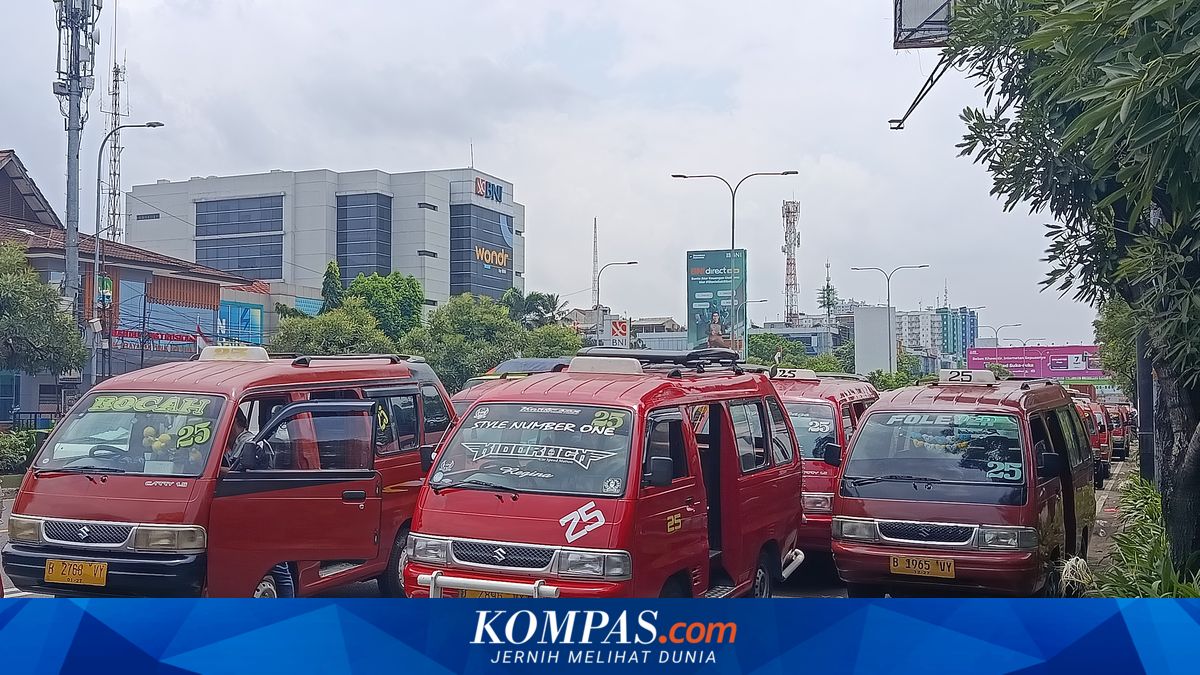
JAKARTA, KOMPAS.com – Amid the increasingly evident threat of an energy crisis, sharp scrutiny is directed at the government’s lack of seriousness in overhauling public transport.
Yet, this sector is considered key to curbing petroleum fuel (BBM) consumption while maintaining public mobility.
Transportation expert Djoko Setijowarno assesses that the current situation demonstrates a lack of concrete initiatives from the government, particularly the Ministry of Transportation, in promoting improvements to mass transportation.
“It’s not about staying silent as if unburdened and indifferent, allowing the public transport subsidy budget to plummet,” he said.
In fact, the energy crisis momentum should serve as a turning point to change societal mobility patterns, from reliance on private vehicles to more efficient and energy-friendly public transport.
However, on-the-ground realisation is still far from expectations. Data from the Ministry of Energy and Mineral Resources for 2025 shows that the transportation sector is the largest BBM consumer, accounting for 52% of national consumption.
Ironically, the majority of subsidised BBM is enjoyed by private vehicles. Based on 2012 data, 93% of subsidised BBM was used by private vehicles, comprising 43% motorcycles and 50% cars.
This situation is further exacerbated by the fading existence of public transport in various regions. Currently, according to him, only around 5% of rural transport is still actively operating across Indonesia.
For Djoko, this situation is not merely a transportation issue, but a serious threat to public access to education, economy, and healthcare services.
To date, only around 8% or 42 out of 514 regional governments have initiatives to allocate regional budgets for developing modern public transport, one of which is through the Buy The Service (BTS) scheme.
Even flagship programmes like Teman Bus, which is BTS-based from the Ministry of Transportation, have experienced a significant budget reduction.