
Artificial Intelligence Transforming How Young Generation Works and Invests
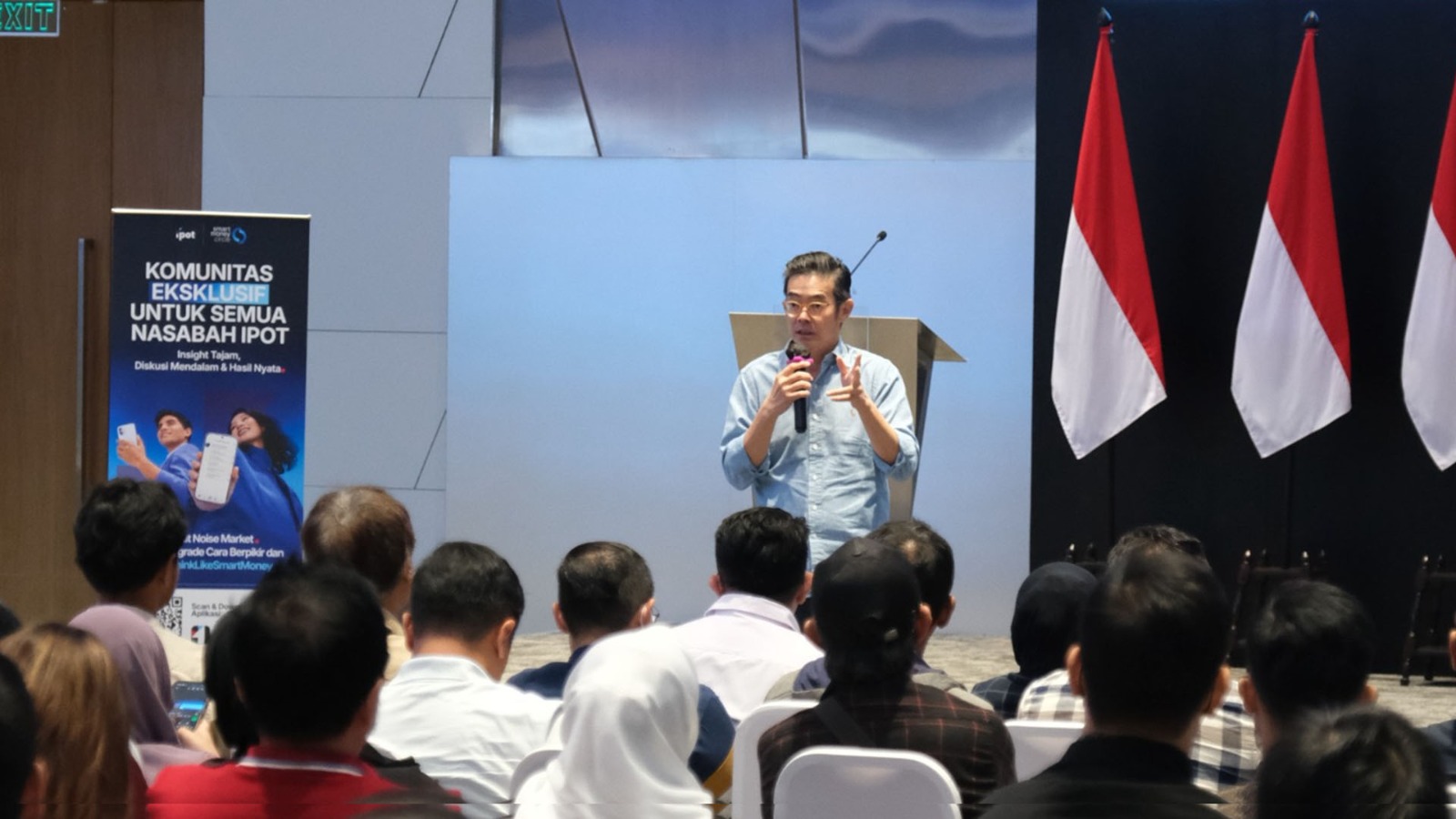
With more than half of Indonesia’s population of productive age and Generation Z forming a large group that will determine the direction of the national economy, future competencies are no longer limited to digital literacy. Mastery of Artificial Intelligence (AI) is beginning to be viewed as an essential skill for navigating changes in the world of work and decision-making, including in financial management.
AI is now increasingly used in various aspects of life, from working, studying, and communicating, to supporting financial decision-making. This development is encouraging various financial industry players to start integrating AI technology into their services, while broadening educational efforts for the public, particularly the younger generation.
President Director & CEO of PT Indo Premier Sekuritas, Moleonoto The, said the utilisation of AI must be accompanied by improved financial literacy so that the younger generation can utilise technology productively and responsibly.
“National economic transformation does not start from stocks or trading, but from mindset. IPOT ensures AI is not seen as a threat of job losses, but as a means of improving the quality of life decisions,” he stated in an official release.
According to him, technology should be a tool to enhance the quality of decision-making, including in managing finances and investments. The company also introduced a number of updates to its investment platform, including the development of a more adaptive user interface (UI/UX) and the integration of various AI-based features to support investment activities. This move is cited as part of an effort to deliver a digital experience more suited to the needs of young investors.
On the other hand, the younger generation is currently facing increasingly complex economic and digital challenges. Besides inflationary pressures affecting purchasing power, they are also confronted with various risks in the digital space, such as cyber fraud, the rise of online gambling, the phenomenon of fear of missing out (FOMO), and offers of investment schemes promising instant profits. These conditions demonstrate the importance of strengthening financial literacy and the ability to understand technology.
According to Moleonoto, economic transformation is not only determined by access to investment products but also by the public’s mindset in utilising technology. “IPOT is here to ensure AI is not viewed as a threat of job loss, but rather as a means of improving the quality of life decisions and financial protection,” he said.
As part of educational efforts, Indo Premier Sekuritas runs the ‘Cerdas Finansial Bersama IPOT’ programme aimed at increasing public understanding of financial literacy and the use of AI. The programme emphasises that the ability to understand technology, including AI, can be an important asset for the younger generation in facing the development of the digital economy.
In addition to providing access to various investment instruments, the company is also developing technology features claimed to help investors analyse market data and make more measured decisions. At the same time, aspects of digital security are also a concern through the implementation of multiple layers of protection to minimise the risk of cybercrime.
Moleonoto affirmed that the use of AI in the financial sector should be directed at strengthening the quality of human resources.