
Arranging the city's memory through celebrations
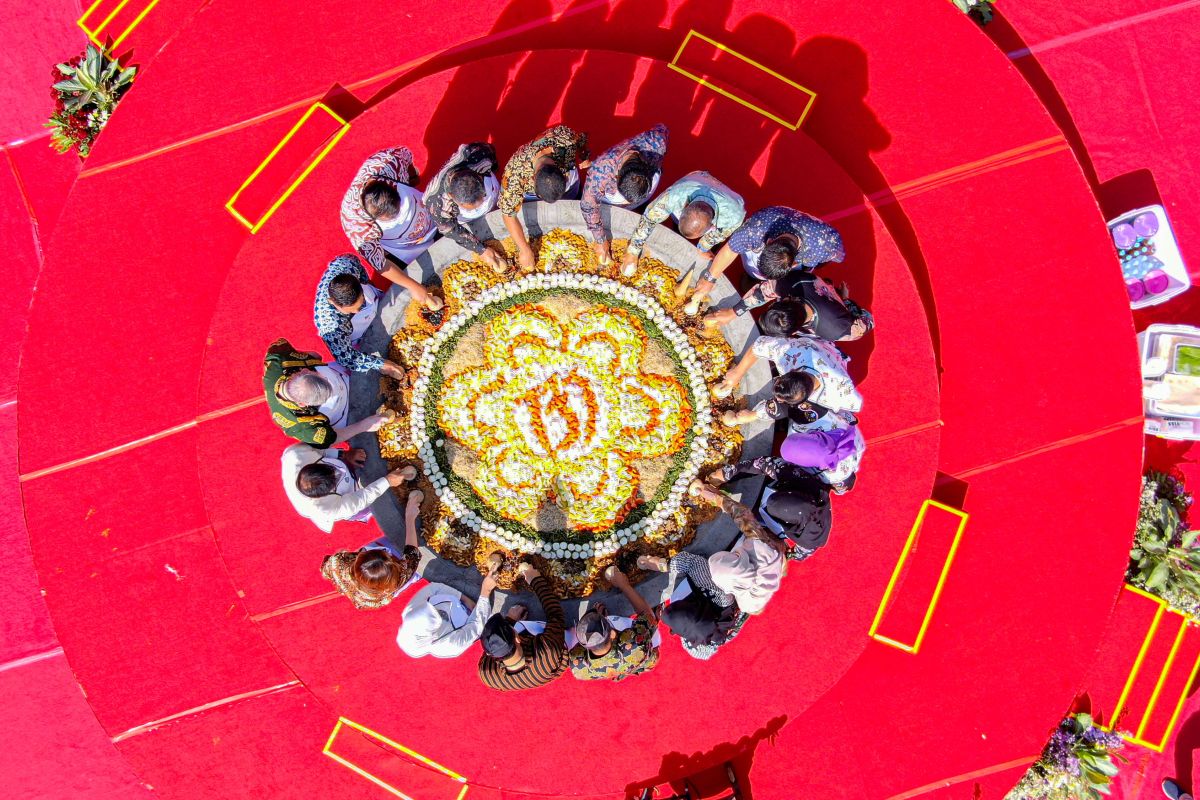
In one weekend night, the main streets of Surabaya City, East Java, changed appearance. Dim lights blended with processions of decorated vehicles, while the aroma of rujak cingur and other local delicacies wafted through the crowds. It is not merely a city party, but a conscious effort to rearrange how a city is recognised, remembered, and visited. The celebration of Surabaya City’s 733rd Anniversary (HJKS) this year becomes a key point in that strategy. The city government no longer positions this annual agenda as a routine ceremony, but as a planned instrument for city branding. The inclusion of two flagship events, namely the Festival Rujak Uleg and Surabaya Vaganza, into the curation of Karisma Event Nusantara (KEN) 2026, marks that this step is not merely a local ambition, but has received national recognition. This is where it becomes interesting. City branding no longer relies on slogans or static icons, but on living experiences. The city is not only seen, but felt. Culinary festivals, light parades, to sports competitions become mediums that stitch a narrative about Surabaya as a dynamic, inclusive, and ever-moving city. However, behind the glamour of the events, there is a fundamental question worth examining, namely how far this activity-based strategy can build a sustainable city identity, not just momentary euphoria? City Ecosystem In recent years, many cities in Indonesia have competed to hold festivals to attract tourists. However, not all have succeeded in building a strong identity. The key differentiator lies in integration, namely how activities do not stand alone, but are connected to the local economy, culture, and tourism system. Surabaya seems to be moving in that direction. The Festival Rujak Uleg is not only a culinary attraction, but also a symbol of cultural diversity blended into one plate. Meanwhile, Surabaya Vaganza with its light parade concept presents a visual experience that transforms the city space into an open stage. This step is strengthened by cross-sector integration. Programmes, such as the Surabaya Shopping Festival, encourage economic turnover in trading centres. Collaboration with the transportation and banking sectors provides ease of access, from city tours to promotions for tourist attraction tickets. Even, the involvement of micro, small, and medium enterprises (UMKM) in every event ensures that economic benefits do not stop at the macro level, but flow directly to the community.