
Around 200 Tankers Trapped at the Strait of Hormuz Entrance, Global Energy Supply Threatened
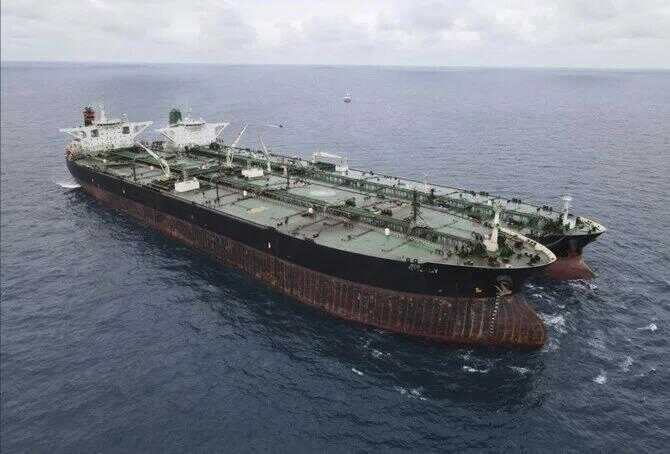
Geopolitical tensions in the Middle East are starting to directly affect the global energy supply chain. About 200 tanker ships were reported stranded at the entrance to the Strait of Hormuz, linking the Persian Gulf to the Gulf of Oman, on Tuesday 3 March. With these ships added, the total number unable to pass now stands at around 300, according to MarineTraffic data analysed by RIA Novosti.
Strategically, the Strait of Hormuz is a vital corridor connecting the Persian Gulf with the Gulf of Oman and the Arabian Sea. The northern coastline of the strait lies under Iranian jurisdiction, while the southern side borders the United Arab Emirates and Oman.
Currently there are no tanker ships crossing the Strait of Hormuz that connect the Persian Gulf to the Gulf of Oman and the Arabian Sea. Geographically, the northern coast of the Strait of Hormuz is Iranian, while ownership of the southern coast is shared between the United Arab Emirates and Oman.
Disruption of tanker traffic along this route raises serious concerns in commodity markets. The Strait of Hormuz has long been the main corridor for crude oil and liquefied natural gas (LNG) shipments from Gulf states to various parts of the world, including Asia and Europe.
The escalating conflict in the Middle East is halting shipments through the Strait of Hormuz, which remains the principal route for global oil and LNG supplies from Gulf states.
Long-term disruption risks could push up global oil prices, increase shipping insurance premiums, and worsen volatility in international energy markets.
Tensions rose after a series of military strikes involving major powers in the region.
On 28 February, the United States and Israel conducted attacks on a number of targets in Iran, including in Tehran, causing damage and civilian casualties.
The strikes triggered a retaliatory response from Tehran. Iran retaliated against the joint US-Israel attack by launching a series of strikes into Israeli territory and at US military bases across the Middle East.
This escalation has raised concerns among global investors about the stability of the world’s main energy routes.
The situation has become more complex as the attacks continue amid diplomacy.
Attacks on Iran persist even as nuclear talks between Washington and Tehran in Geneva, mediated by Oman, continue.
The negotiations were previously expected to provide a de-escalation path between Washington and Tehran. However, latest developments show that geopolitical risk in the region remains high.
The Strait of Hormuz remains one of the world’s most crucial energy chokepoints. Any disruption on this route can directly affect crude oil prices, global logistics costs, and energy inflation in importing countries.
With hundreds of tankers stranded, market participants are now watching for potential supply crises that could trigger new pressure on the global economy amid ongoing geopolitical uncertainty (Ant/E-4).
Domestic fuel prices in Indonesia could potentially rise if the conflict in the Middle East continues.
The escalating conflict between Iran, Israel, and the United States is not only a political issue but has entered the realm of the global economy.
One of the main impacts is a surge in shipping and logistics costs due to the Strait of Hormuz closure by the Iranian authorities.
Geopolitical tensions in the Middle East, particularly the conflict between Israel and Iran and the potential closure of the Strait of Hormuz, are a serious concern for the Indonesian government.
The escalation of the conflict between Israel and Iran could result in the potential closure of the Strait of Hormuz. This would trigger a significant rise in logistics costs.