
Are Women Permitted to Perform Itikaf in the Mosque? Here is the Jurisprudential Explanation
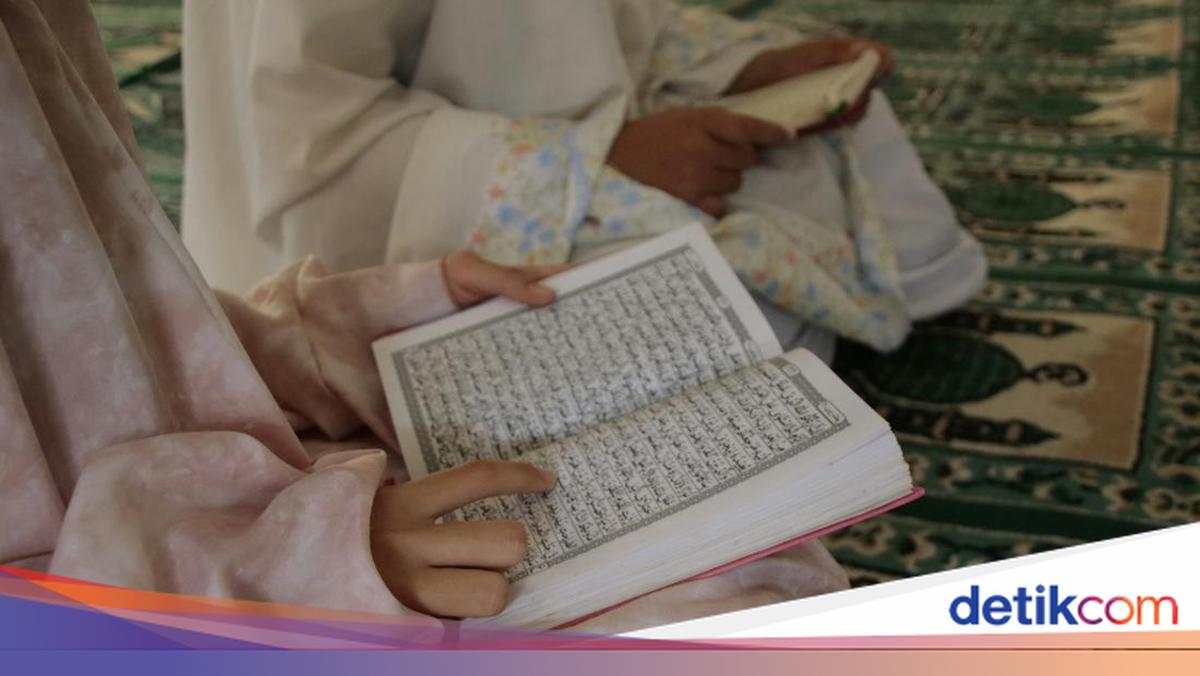
During the month of Ramadan, Muslims are not only obligated to fast but also encouraged to perform sunnah practices. As Ramadan approaches its end, such charitable acts should be intensified to ensure the opportunity to gain Ramadan’s blessings is not wasted. One practice encouraged during the last days of Ramadan is itikaf in the mosque.
According to the book Complete Guide to Obligatory and Sunnah Fasting by Muhammad Ghazali, itikaf refers to the act of seclusion in a mosque in a state of ritual purity with the intention of worship for Allah the Almighty. In Sahih Bukhari, it is mentioned that the Prophet Muhammad (peace be upon him) used to perform itikaf during the last ten days of Ramadan.
Is it permissible for women to perform itikaf in the mosque during the last ten days of Ramadan? Here is the explanation.
Women Are Permitted to Perform Itikaf in the Mosque: The Evidence
Itikaf is one of the acts of worship that can bring rewards during Ramadan. According to the Complete Guide to Obligatory and Sunnah Fasting by Muhammad Ghazali, this act of worship is not exclusively for men but can also be performed by women. The evidence for women’s itikaf is contained in the following hadith narrated by Bukhari and Muslim.
In the hadith narrated from Aisha (may Allah be pleased with her), it is mentioned that the Prophet Muhammad (peace be upon him) intended to perform itikaf during the last ten days of Ramadan, and Aisha requested permission to join him in itikaf. He permitted her. Subsequently, Hafsa asked Aisha to request permission from the Prophet for her as well, and Aisha obliged. Itikaf then became a regular practice of the Prophet’s wives and continued to be performed even after his death.
Although permissible, there are differing scholarly opinions regarding the location of women’s itikaf. According to NU Online, Imam Malik and Imam Shafi’i held the view that women could perform itikaf in any mosque. However, Imam Hanafi and Imam Ahmad held that women’s itikaf is valid only in a mosque used for congregational prayer and regularly used for the five daily prayers.
Imam Abu Hanifah also explained that women’s itikaf could be performed in a prayer room or mosque within the home, which is a space in the home designated for prayer activities. Sheikh Wahbah Al-Zuhayli recommended that women perform itikaf behind the curtain that typically demarcates the women’s prayer area in the mosque, given that the mosque is attended by non-mahram men.
“If a woman performs itikaf in a mosque, it is recommended for her to cover herself with a screen, because the wives of the Prophet Muhammad (peace be upon him), when they intended to perform itikaf, were commanded to have structures built for them, and they erected them in the mosque. This is because the mosque is attended by men [who are not their mahram], and it is better for them and for the women not to see one another.” (Al-Fiqh Al-Islami wa Adillatuhu, volume 2, pages 696-697)
Timing and Method of Itikaf
According to the Complete Guide to Obligatory and Sunnah Fasting by Muhammad Ghazali, itikaf can actually be performed at any time, including outside Ramadan. However, this practice is most strongly recommended for the last ten days of Ramadan as indicated in the hadith narrated by Ahmad, Bukhari, Muslim, Abu Dawud, Nasa’i and Tirmidhi:
“From Aisha (may Allah be pleased with her), she said, ‘When the Prophet Muhammad (peace be upon him) entered the last ten [days of Ramadan], he would stay awake at night, wake his wives, and gird himself.’”
How should it be performed to be valid? Itikaf is considered valid when it fulfils several pillars as follows.
- Intention (Niyyah)
Like other acts of worship, itikaf must begin with intention. The intention that can be recited is as follows:
“I intend to perform itikaf in this mosque as a sunnah for Allah the Almighty.” (Arabic transliteration: Nawaitu an a’takifa fi hadzal masjidi sunnatal lillahi Ta’ala.)
- Remaining in Seclusion in the Mosque
Remaining in seclusion in the mosque is done whilst increasing reflection, remembrance of Allah (dhikr), supplication, and other acts of worship.
- Performed in the Grand Mosque (Masjid al-Jami’)
The grand mosque refers to a mosque that serves as a centre of worship and is regularly used for Friday prayers. The evidence for itikaf in the grand mosque is contained in the hadith from Abu Dawud which states, “There is no itikaf except in the grand mosque.”
- Being Muslim, in a State of Ritual Purity, and of Sound Mind
Itikaf is preferably begun after the dawn prayer. During itikaf, a Muslim is commanded to distance themselves from fruitless words and deeds and to increase remembrance of Allah, supplication, reflection, invoking blessings upon the Prophet, glorification of Allah, recitation of the Quran, and other acts of worship.
Thus, this is the explanation regarding the permissibility of women performing itikaf in the mosque. We hope this has been helpful.