
Are Spiders Insects?
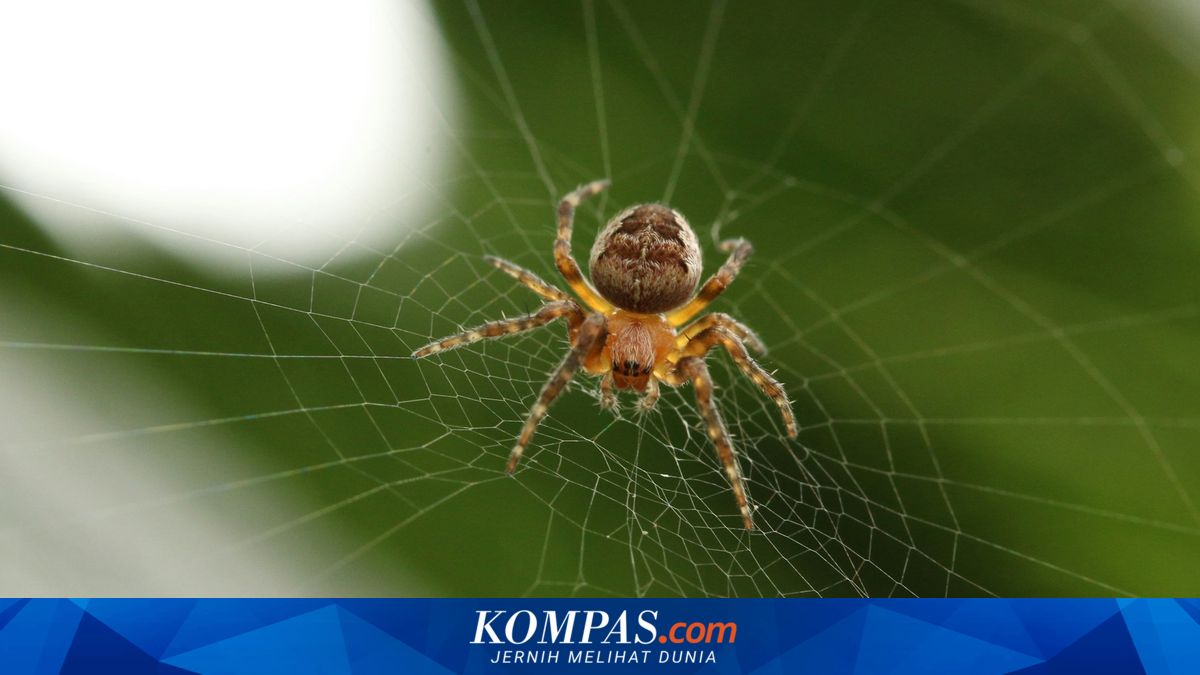
In everyday life, we often spontaneously refer to spiders and other small crawling creatures as insects. While this isn’t entirely incorrect due to their physical similarities in movement and behaviour, technically and scientifically, spiders are not insects at all. Let’s examine the scientific reasons behind this major distinction.
Spiders, insects, fish, birds, and humans all fall under the Kingdom Animalia. When narrowed down, spiders and insects share the same large group: the Phylum Arthropoda, which also includes crabs, centipedes, and ancient trilobite fossils.
As members of Arthropoda, both spiders and insects share a key similarity: they are invertebrates, lacking a backbone. Instead, they possess a natural exoskeleton—a hard outer shell made of chitin, a material similar to human hair and nails. Due to its rigidity, they must regularly shed their exoskeleton to grow.
The term Arthropoda itself means “jointed legs” (arthro meaning joint, pod meaning leg), which is why they often confuse us. The most obvious physical differences that confirm spiders are not insects are as follows: all spiders and arachnids have eight legs, whereas insects like ants, cockroaches, or butterflies have six. Spiders’ bodies are divided into two parts: the cephalothorax (fused head and thorax) and abdomen. In contrast, insects have three distinct body sections: head, thorax, and abdomen.