
Are Indonesian Companies Disability-Friendly for Workers?
Behind the viral inspirational stories of workers with disabilities, data show that Indonesia’s job market remains far from inclusive and not friendly to people with disabilities.
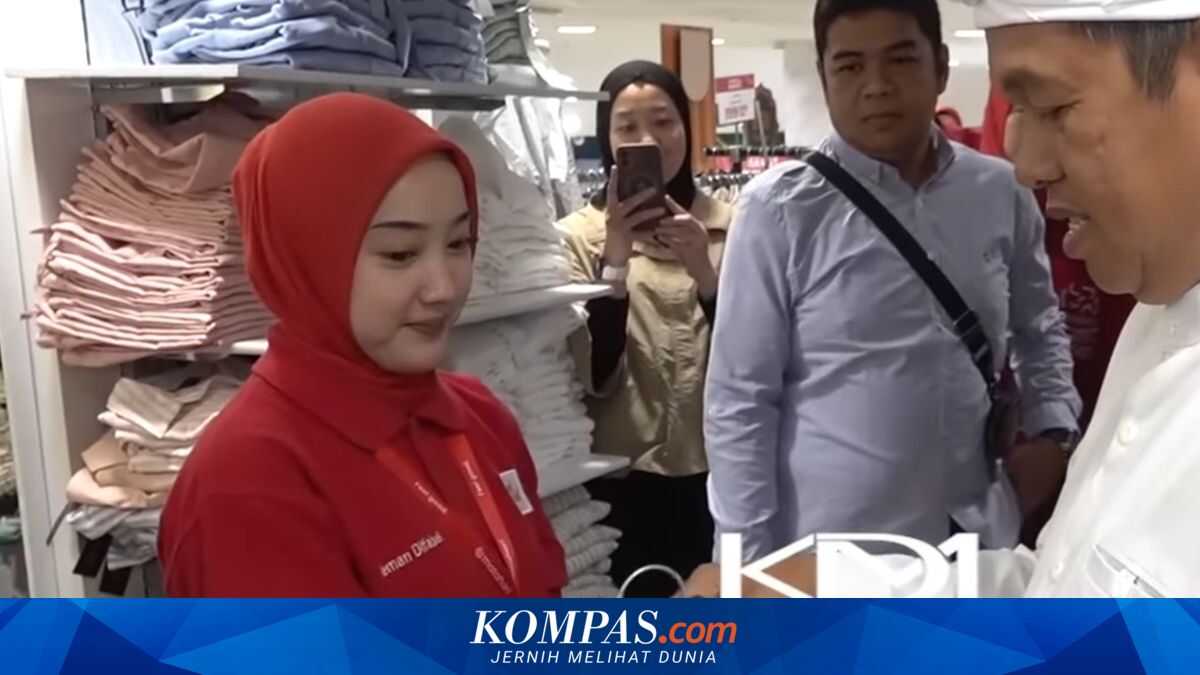
On Wednesday 4 March 2026, West Java Governor Dedi Mulyadi visited a clothing store at Bandung Indah Plaza (BIP) in Bandung. He did not come for a government ceremony but to fulfil a simple promise: to shop at Hasni Alifah Salsabila’s workplace, Matahari department store at BIP.
Hasni is a 21-year-old deaf woman who works as an employee at Matahari department store in BIP. Along with her twin sister, Hasna Alifah Salsabila, who is also a person with a disability, their story went viral on social media because the two continue to work despite their hearing impairment.
The story of Hasni and Hasna is not the only one about people with disabilities who get employment opportunities. Zidan now works as a graphic designer in TransJakarta’s Human Resources Division. According to Ayu Wardhani of Transjakarta’s Public Relations and CSR Department, the job was given according to Zidan’s competencies.
BPS data in the 2024 Indicator of Decent Work in Indonesia shows the number of workers with disabilities remains very small relative to the total workforce. Although it rose from 2023, which stood at 0.55 per cent of the total workforce, in 2024 workers with disabilities accounted for only around 0.64 per cent of the total national workforce, or about 932,435 people out of more than 140 million workers in Indonesia.
BPS notes there were about 22.97 million people with disabilities in Indonesia in 2023. Of that total, around 17 million were of productive age. However, only around 45 per cent were employed, and most of them were absorbed in the informal sector.
Moreover, ILO data shows almost 90 per cent of people with disabilities in Indonesia had not worked or were still seeking work by the end of 2024. According to BPS, around 83 per cent of workers with disabilities work in the informal sector, such as small businesses, family workers, or self-employed.