
Archaeologist: Megalith Found in Dongi-Dongi Dates to Around 1,000 Years Ago
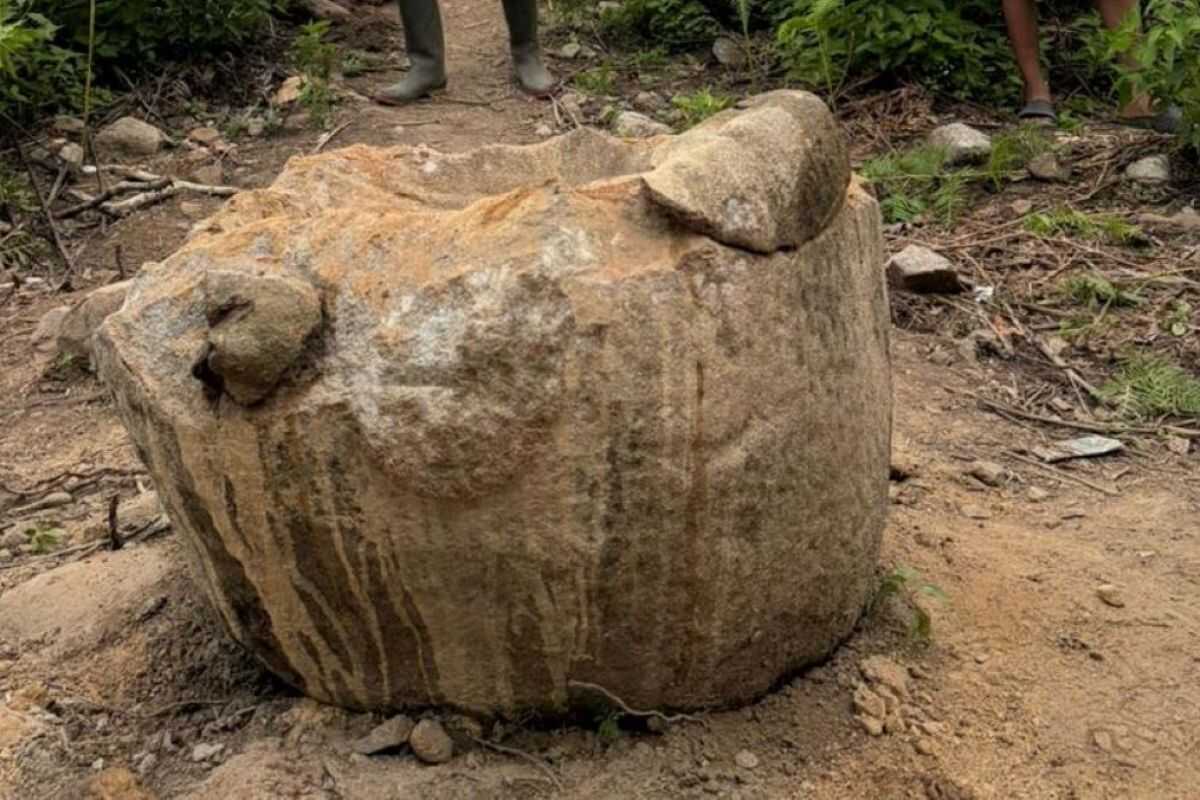
Palu (ANTARA) - Central Sulawesi archaeologist Iksam Djorimi estimates that the megalith found in Desa Dongi-Dongi is about 1,000 years old. “The estimate is 1,000 years for the age of the megalith,” he said in Palu on Friday. He explained that the distribution of megalith sites begins in the Behoa and Bada Valleys in Poso Regency and extends northward to the Palu Valley. There, the megalithic sites in the Behoa and Bada Valleys, Poso, are estimated to be around 2,000 years old. “So the further north from the Behoa Valley, the younger the age of the megalith,” said the former Deputy Head of the Central Sulawesi Museum. He continued that in the Palu Valley, Kalamba or statues were not found as in Behoa Valley. Instead, there are only stone mortars, such as in Watunonju Village, Sigi Regency. A megalith (large stone) is a prehistoric structure or monument built using large stones, either as a single monolith or in arrangements, that developed from the Neolithic to the Bronze Age. Megaliths function as grave markers, in religious rituals, or ancestor worship; examples include menhirs, dolmens, and sarcophagi. The megalith found in Dongi-Dongi is a large stone with carvings resembling a human face, similar to the Kalamba stones widely found in the Napu Valley.