
Arab Warfare Grows Ever More Terrifying, Follow the Prophet Muhammad's Example to Stay Safe
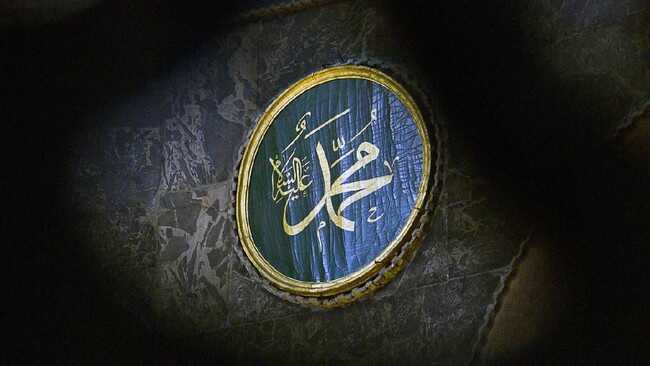
War has always been part of human history, including during the lifetime of the Prophet Muhammad (peace be upon him). In several phases of his life, he was not only a witness but also directly involved in bloody conflicts. Yet this involvement did not make him a figure who loved warfare.
Rather, the Prophet Muhammad is known as someone who made peace a guiding principle of his life. Therefore, amid ongoing armed conflicts that continued to spread and opened the prospect of a world war, humanity has much to learn from the way he faced conflict.
As context, he lived in the harsh realities of the Arabian Peninsula. Violence, inter-tribal wars, and vengeance were part of the social culture that was considered normal. When he was raised as a prophet and began preaching Islam, he faced strong opposition from those closest to him, especially the Quraysh.
However, instead of responding to the pressure with violence, the Prophet chose restraint. He was patient, not reactive, and waited for the right moment to offer a path to peace. For the Prophet, peace was not merely a political strategy or a survival tactic, but a fundamental moral value.
He once said: ‘Would you like me to tell you of a deed more virtuous than fasting, prayer, and almsgiving? It is mending relations among people. For the ruin of relationships is what cuts away faith.’ (Hadith, Abu Dawud)
In the Prophet Muhammad’s view, war was a last resort when all avenues for peace had closed. This is reflected in the events of the Battle of Badr (624 CE) and the Battle of Uhud (625 CE), which occurred after persistent pressure and threats against Muslims.
Even in desperate circumstances, he maintained that the path of peace should be the primary principle. This commitment is also evident in the various treaties he forged, such as the Madinah Charter and the Treaty of Hudaybiyyah. These agreements laid the foundation for peaceful conflict resolution within a plural society.
However, according to a joint research team from Balochistan University and the University of Karachi in the study ‘Conflict Resolution and the Strategies of the Prophet Muhammad’ (2021), the Prophet Muhammad’s peace rests not only on strategy but also on character.
The first trait is patience. With patience, one can stay calm and unreactive in tense situations. This patience is closely linked to gentleness. The Prophet consistently lowered his ego and acted kindly, even toward those who opposed him.
Moreover, Prophet Muhammad is known as a forgiving figure. ‘The forgiving nature of Prophet Muhammad is a key factor in fostering peace and reconciliation among people,’ the researchers wrote.
From this, it is clear that the Prophet Muhammad’s approach to conflict did not rely on military power or dominance, but on the moral courage to choose the path of peace. Peace arises from a cultivated character, such as forgiveness, humility, patience, and the ability to restrain the ego. In the midst of conflict, moral strength becomes the strongest bulwark.