
Arab Split? Saudi Arabia and Kuwait Launch Military Strikes on Iraq
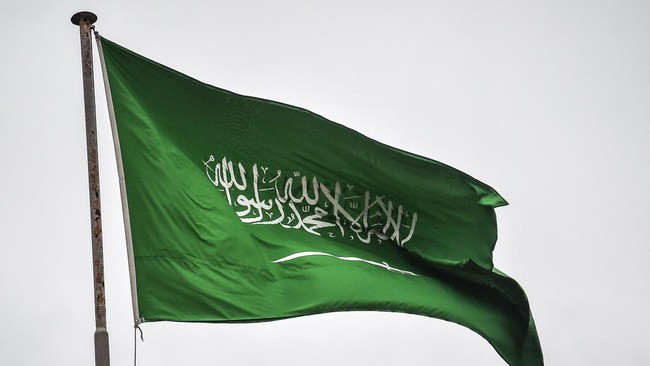
Saudi Arabia and Kuwait have reportedly launched secret airstrikes on Iraqi territory to target paramilitary groups supported by Iran. This covert military action is seen as a vote of no confidence in the effectiveness of the United States’ security umbrella in the Middle East region.
Citing a Reuters report on Friday (15/5/2026), the strikes took place on Wednesday. The operation is described as an “independent response to threats encroaching on the sovereign territory of Gulf states” amid their waning trust in Washington’s military protection guarantees.
Although Saudi Arabia and Kuwait host major US military bases, both countries remain targets of drone and missile attacks as retaliation from Iran against the US-Israel military campaign since last February. Investigations show that hundreds of drones attacking their infrastructure originated from Iraq, particularly from the Kataib Hezbollah group based in southern Iraq.
Saudi fighter jets reportedly struck pro-Iran militia targets in Iraq just before a ceasefire between the US and Iran was reached in early April. Additionally, Iraqi authorities claim that at least two missile strikes were launched from Kuwaiti territory to destroy key positions of Kataib Hezbollah.
Tensions peaked in March when Saudi Arabia and Kuwait issued stern warnings to the Baghdad government to quickly rein in pro-Iran militias. On the other hand, Kuwait has summoned the Iraqi diplomatic representative three times, while Saudi Arabia did the same to the Iraqi ambassador last month.
Observers assess that this bold action by Gulf states is triggered by disappointment with the US, which is seen as starting the conflict without strategic consultation with its regional allies. This was stated by Khaled Almezaini, an associate professor of politics at Zayed University in Abu Dhabi, in an interview regarding these new security dynamics.
“The most fundamental question is about consultation. Do Gulf states really get the kind of partnership and security support they feel they need if the United States is going to be militarily involved in the region,” Almezaini told The Guardian.
As escalation increases, analysts are beginning to doubt the future of Gulf states’ military dependence on Washington. Major questions are emerging among Gulf monarchies about whether the current presence of US military bases is an asset that protects or a burden that endangers national stability.