
Apple's AirTag Factory Investment in Batam to Proceed Despite US Reciprocal Tariff Concerns
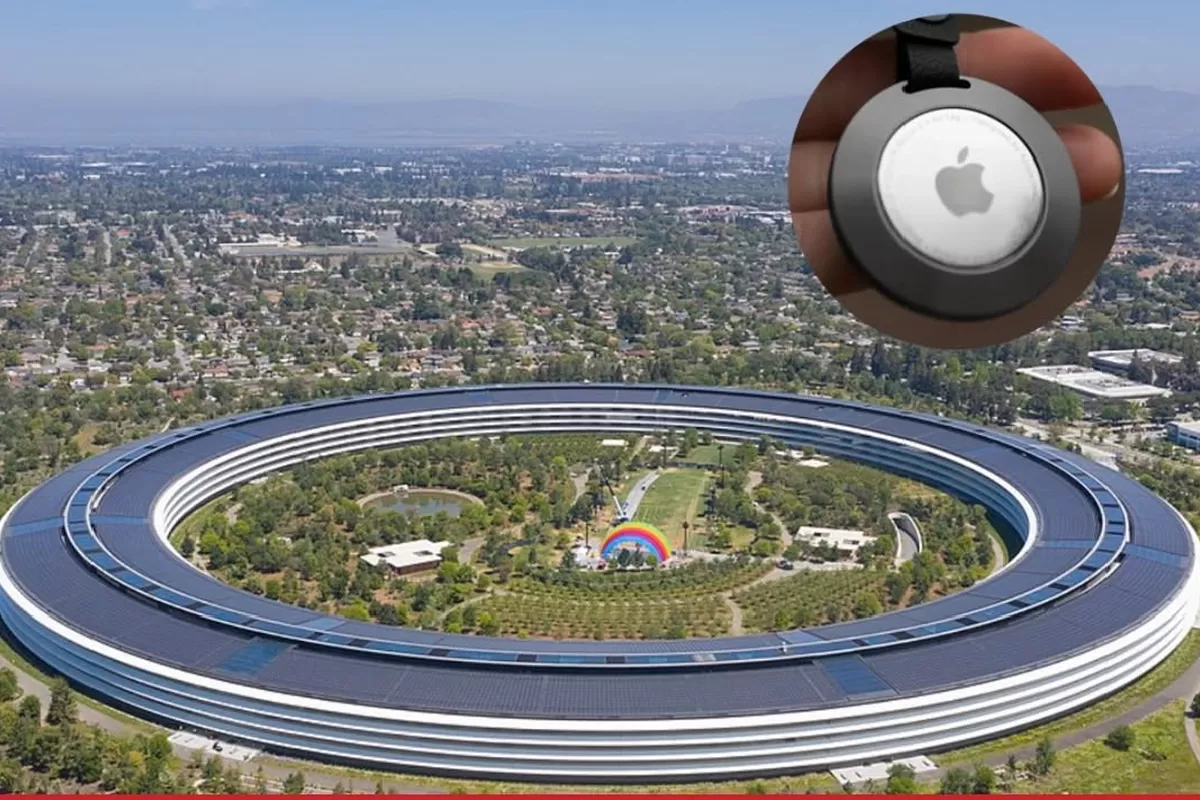
Apple’s investment plan to build an AirTag factory in Batam is confirmed to be proceeding, despite emerging discourse surrounding reciprocal tariffs from the United States. This assurance was delivered directly by the Deputy for Investment Promotion at the Ministry of Investment and Downstreaming/BKPM, Nurul Ichwan.
“God willing, it will continue,” said Nurul when met in Jakarta on Wednesday.
According to him, Apple has already purchased land in Batam for the factory — a concrete step demonstrating the US technology company’s seriousness in investing in Indonesia.
“If they have already purchased the land, there is no way they would not invest,” he added.
Nurul disclosed that globally, newly designed tariff policies could affect the performance of US companies. However, Apple’s move to expand production to other countries is seen as a strategy to maintain global competitiveness.
“If they consider that their market is not only in America but also elsewhere… then the global value cannot be achieved as leaders of that product,” Nurul explained.
Meanwhile, Coordinating Minister for Economic Affairs Airlangga Hartarto stated that Indonesia and the US have agreed to complete tariff negotiations within the next 60 days.
“Indonesia and the United States have agreed to conclude these negotiations within 60 days,” said Airlangga in a virtual press conference from Washington DC on Friday (18/4).
The agreement encompasses discussions on trade, investment, critical minerals, and supply chain resilience. Airlangga indicated there would be one to three rounds of follow-up meetings, with the hope that a concrete agreement could be reached promptly.
“We hope that within 60 days, the framework can be followed up in the form of an agreement format,” he concluded.