
Apple Turns 50, Steve Jobs' Legacy Still Strongly Felt
If you grew up in the 80s or 90s, you might still remember the thrill of switching on a computer for the first time. For many middle-class families at the time, the boxy, rounded-corner Apple IIe was the first technological marvel to enter the living room.
Who would have thought that the company which debuted with a monochrome, pixelated screen computer has now transformed into a technology giant worth $3.7 trillion USD (approximately Rp 63,000 trillion).
Exactly on 1 April 2026, Apple Computer Company will turn half a century old.
Apple’s 50-year journey is not just a history of chip and touchscreen evolution, but a story of how two genius young men in a garage in California succeeded in dictating the lifestyle of billions of people on Earth.
Wayne, the mechanical engineer who handled the early administration, surprisingly lacked the courage. Less than two weeks later, he resigned and sold his shares for $800 USD, a decision he might regret for the rest of his life.
Wozniak, the electronics “bookworm”, has now become a billionaire. However, it was Jobs who was the true visionary that truly changed the global technology landscape.
Jobs’ mission in the early days was actually very simple yet ambitious: to create powerful yet easy-to-use personal technology, so that everyone could express themselves. This philosophy later gave birth to the current creator economy era.
Without the iPhone, App Store, and cinema-quality cameras in the palm of the hand, it would be impossible for professions like content creators and influencers to proliferate as they do now.
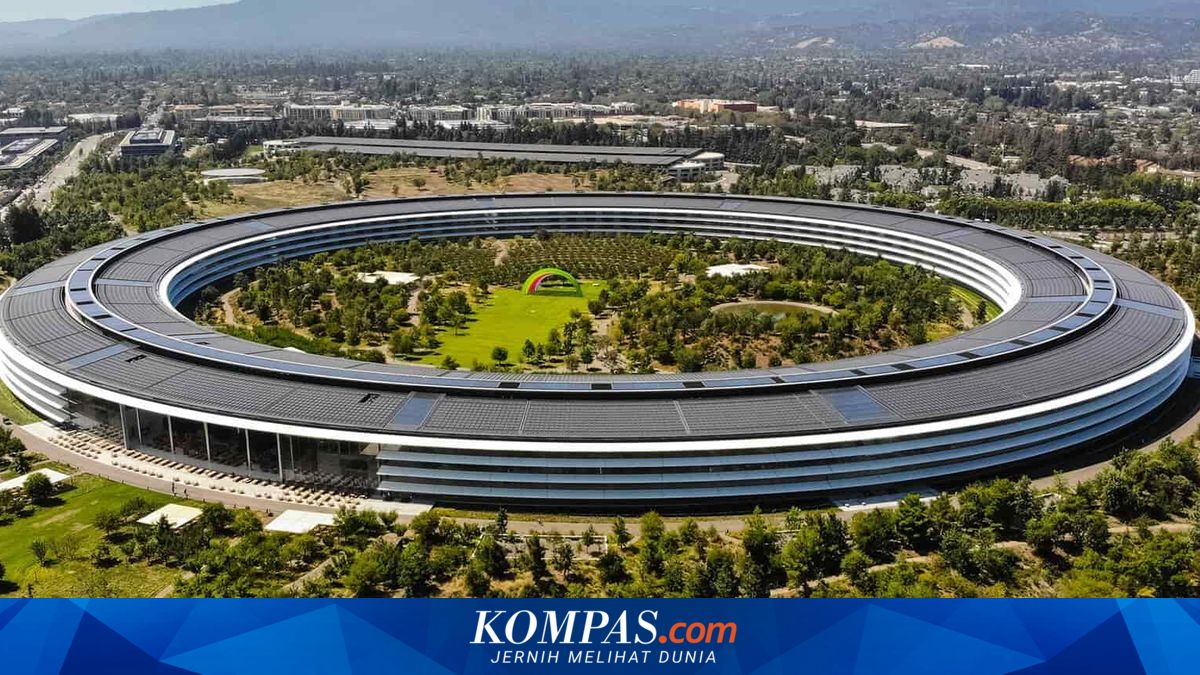
“I often think about it. Ahead of this 50th anniversary, I think about it more often,” said Cook at Apple’s headquarters in Cupertino, California.
Cook, who was by Jobs’ side in his final days in 2011, admitted to having gone through a phase of denial regarding the pancreatic cancer that claimed his boss’s life.
“I’ve seen him rise from setbacks so many times, so I always assumed he would always be able to rise again. Six weeks before he passed away, I even still thought he would be the executive board forever,” Cook recalled.
For Cook, the current Apple is philosophically “still Steve Jobs’ company”. Jobs’ vision of simplicity in design and collaboration in small but solid teams still forms the main DNA flowing through Apple’s body.
“He (Jobs) believed in the simple, not the complicated,” Cook added.