
APPBI: Prices Could Rise Starting October 2026
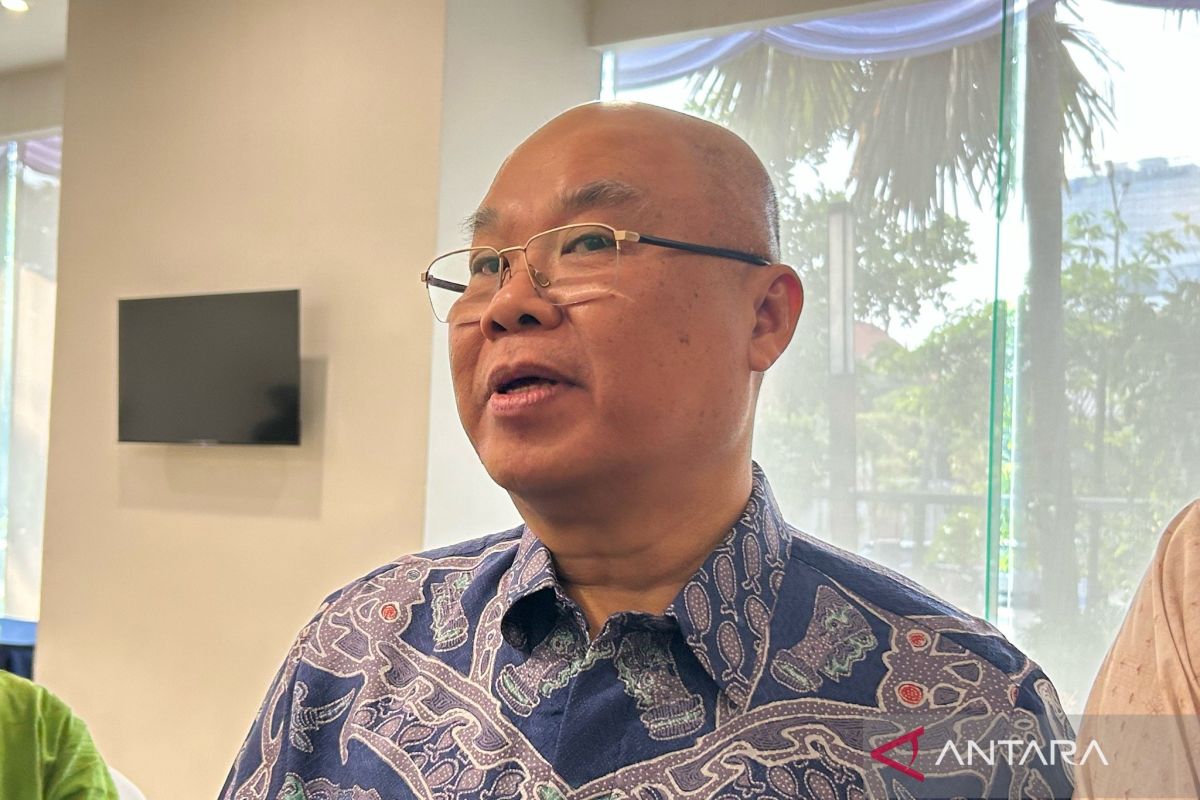
Jakarta (ANTARA) - Chairman of the Indonesian Shopping Centre Management Association (APPBI) Alphonzus Widjaja has revealed the potential for price increases in shopping centres starting in the fourth quarter of 2026, around October. He said the price hikes would be triggered by retailers replenishing stock with goods produced at higher costs, driven by increases in logistics, energy, and raw material expenses, as well as the weakening rupiah exchange rate affecting imported goods. “These large quantities of stock will be produced from raw materials whose prices have already risen. Energy costs are up now, logistics costs are up, raw material prices are up,” Alphonzus said when met at the Ministry of Trade office in Jakarta on Thursday. He noted that price increases could occur across almost all product categories because the rise in logistics and energy costs affects the entire supply chain, for both domestically produced and imported goods. Nevertheless, Alphonzus stressed that raising prices is not the primary option for businesses. APPBI is urging the government to take immediate steps to reduce production, logistics, and energy costs, as well as raw material prices, so that any price increases can be minimised or avoided. “So, we actually still hope there will be no increase in raw material, logistics, and energy costs. We really hope the government can address this situation before the fourth quarter of 2026,” Alphonzus said. He added that businesses have prepared several strategies to maintain public purchasing power. These measures include using more efficient alternative raw materials, offering products in smaller packaging to keep prices affordable, and increasing promotional programmes and discounts. Furthermore, APPBI recommends that the government focus its policies more on strengthening the domestic economy. According to Alphonzus, household consumption, which contributes around 57 percent to national economic growth, must be maintained through the creation of a conducive business climate and increased public confidence in the economic situation. “I think what needs to be done is for the government to be more focused, particularly on addressing various domestic pressures. Because I believe priority must still be given to domestic matters,” he added.