
Apkasi Ensures WFH Does Not Disrupt Public Services
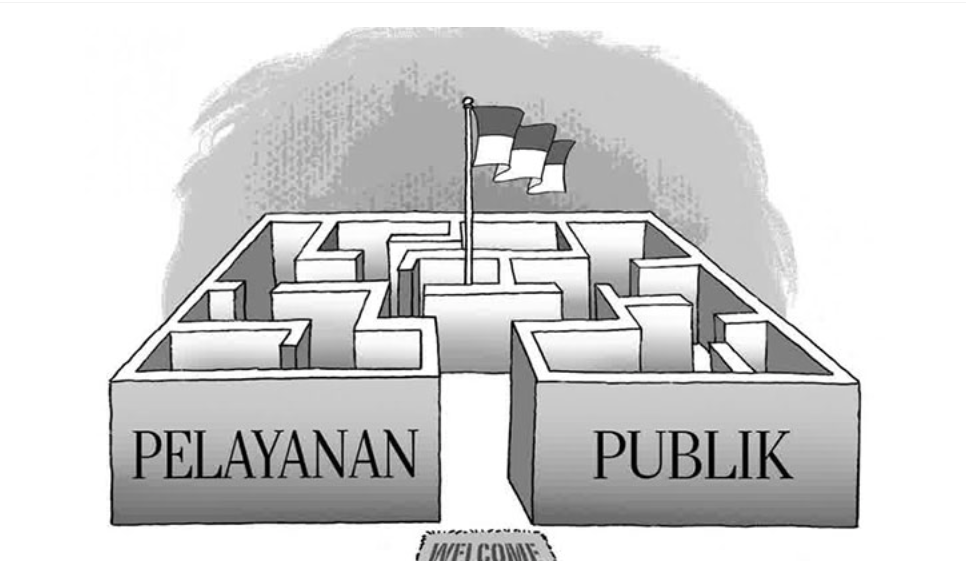
The work-from-home (WFH) policy of one day per week is beginning to be implemented at the regency government level. However, its execution will not be comprehensive but selective, taking into account public service functions.
Executive Director of the Association of All Indonesian Regency Governments (Apkasi) Sarman Simanjorang stated that all regencies will follow the central government’s directives through the Ministry of Home Affairs, including the implementation of WFH every Friday.
“All regencies will certainly implement the policy from the Central Government through the Ministry of Home Affairs, namely WFH one day a week on Fridays,” he said when contacted on Tuesday (7/4).
Nevertheless, this policy must not disrupt performance in serving the public. Regency governments are said to have mapped out regional government organisations (OPD) and officials who can carry out WFH and those who must still work from the office.
The primary focus remains on maintaining the quality of public services. Units that directly interact with the public are ensured to operate fully without remote work schemes.
These units include emergency services, public order and security, cleanliness and waste management, population administration, licensing, health, education, and regional revenue.
On the other hand, structural officials are also not encouraged to implement WFH. Positions such as high-ranking leaders at pratama level, administrators equivalent to echelon III, sub-district heads, and village heads or desa leaders are expected to be present directly in the field.
According to Sarman, the WFH policy is more directed towards efficiency, particularly energy savings, without sacrificing government functions. Therefore, the discipline of civil servants becomes a key factor in its implementation.
He also reminded that this policy should not be misinterpreted as an opportunity to extend the weekend. Civil servants are asked to maintain their work ethic even when working outside the office.
“Because the purpose of WFH is for energy savings, it is hoped that civil servants throughout Indonesia will be disciplined in their travel, especially since WFH falls on Friday, so there should be no impression of a long weekend,” said Sarman.
So far, Apkasi claims to have found no significant obstacles in implementing the policy. The technical guidelines issued by the Ministry of Home Affairs are considered sufficiently clear for execution at the local level.