
Apindo Maintains Operational Efficiency Amid Rising Energy Prices
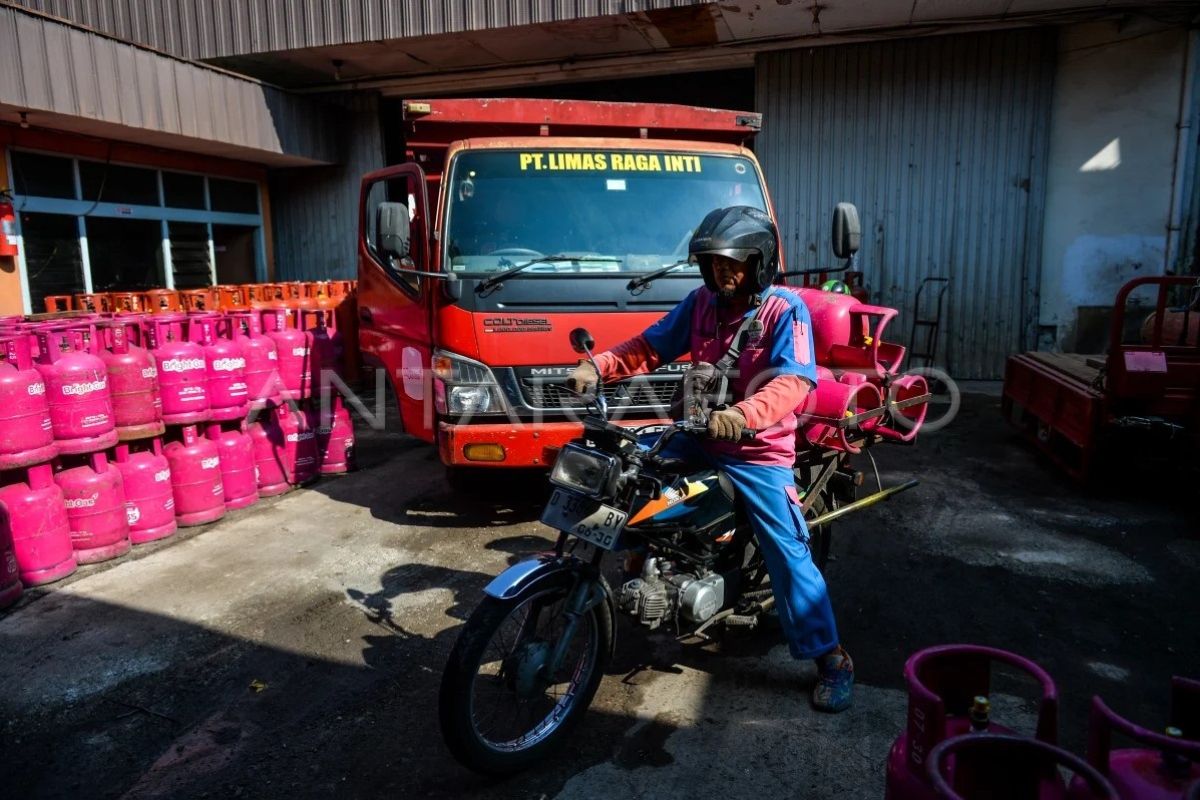
Jakarta (ANTARA) - The Indonesian Employers Association (Apindo) says that the business world is currently focused on maintaining operational efficiency amid rising prices of major energy commodities, particularly non-subsidised fuel oil (BBM) and LPG.
“Business actors tend to adopt a ‘wait and see’ approach while maintaining operational efficiency and cash flow stability,” said Apindo’s Deputy General Chairman Sanny Iskandar when contacted in Jakarta on Monday.
Sanny acknowledged that the increase in non-subsidised BBM prices by Pertamina as of Saturday (18/4) is quite significant and can be understood as part of an adjustment to the current geopolitical situation.
The price of Pertamax Turbo rose by around Rp6,300 per litre, while Dexlite and Pertamina Dex each increased by around Rp9,400 per litre, meaning the rise in non-subsidised diesel fuel prices exceeds 60 per cent compared to previous prices.
“This increase adds further pressure on the business world in the short term, especially for industries that use non-subsidised BBM,” said Sanny.
“What is concerning is the increase in diesel-based BBM types like Dexlite and Pertamina Dex, which are also used by the logistics sector, goods transportation, and some industrial activities,” he added.
In the business world’s cost structure, he continued, the energy component, particularly for logistics, has a fairly large portion.
Sanny assessed that this diesel price increase will directly raise distribution costs and potentially squeeze business margins, especially for the manufacturing, distribution, and commodity sectors that heavily rely on goods mobility.
“Additionally, there is a timing mismatch between global and domestic trends, where world oil prices experienced a correction, but at the same time, geopolitical risks are rising again, and domestic BBM prices are undergoing an upward adjustment,” he explained.
This indicates a lag effect as well as high volatility in energy price transmission, which ultimately must still be absorbed by business actors in the short term.
He added that in the current geopolitical situation, pressures on the business world do not come only from domestic BBM, but also from rising energy prices, logistics costs, shipping insurance, supply chain disruptions, and exchange rate pressures.
“So, this non-subsidised BBM adjustment actually acts as an amplifier to the pressures that have been ongoing previously. In other words, the business world does not see this as a single issue, but as part of the accumulation of cost pressures at the beginning of 2026,” said Sanny.
Apindo, he continued, hopes that geopolitical stability can truly be maintained so that energy price trends become more predictable and provide room for improving the business world’s cost structure.