
AP2HI states that fisheries subsidies are still needed by fishermen
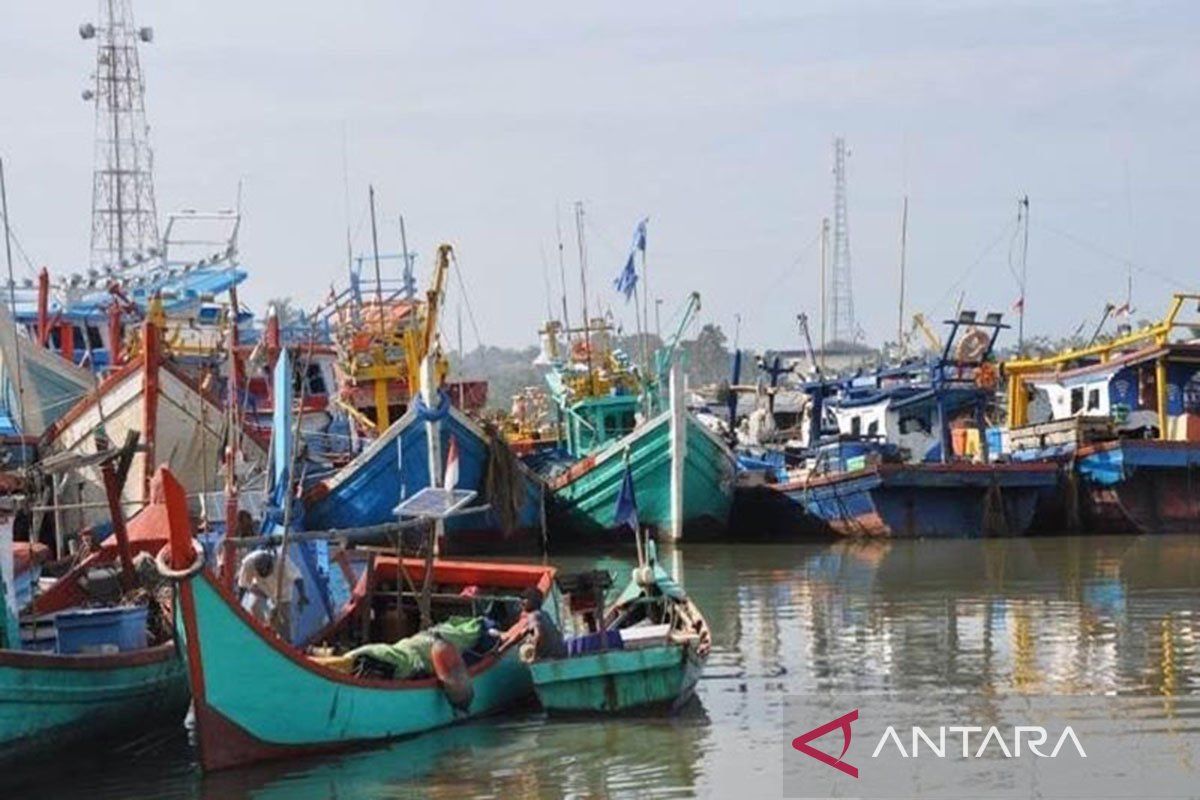
Jakarta (ANTARA) - CEO and Founder of the Indonesian Pole and Line and Handline Fisheries Association (AP2HI), Janti Djuari, assesses that government support and fisheries subsidies remain crucial and are particularly needed by small or traditional fishermen to increase productivity.
When met at the Ministry of Marine Affairs and Fisheries office in Jakarta on Tuesday, Janti assessed that the prohibition on fisheries subsidies stipulated in the World Trade Organization (WTO) agreement would pose a major challenge for Indonesia.
According to her, the national fisheries sector still heavily relies on government support, especially fuel subsidies (BBM).
“If not supported by subsidies, Indonesia will certainly lose competitiveness. Other countries like China also provide subsidies to their fishermen, just delivered in different ways,” she said.
Janti explained that operational costs such as transportation and packaging remain very high, particularly in eastern Indonesia.
She assessed that without subsidies, the burden of these costs would make Indonesian fishery products difficult to compete in the global market.
Janti added that not all fishermen truly benefit from the existing subsidies. Therefore, a simple and efficient mechanism is needed so that government assistance is on target.
After more than two decades of negotiations, the first phase of the fisheries subsidies agreement (Agreement on Fisheries Subsidies/AFS-1) was finally agreed upon at the 12th Ministerial Conference (KTM) of the WTO in Geneva in 2022.
AFS-1 will take effect on 15 September 2025 after ratification by 112 countries or two-thirds of all WTO members, and it will only bind countries that have ratified it.
The rules in AFS-1 include prohibitions on providing subsidies in the form of financial aid, fuel, or fishing gear to vessels proven to engage in illegal fishing; prohibitions on subsidies for vessels operating in the high seas outside any country’s jurisdiction; and obligations for transparency and notification regarding fisheries subsidies.
Currently, WTO members are negotiating AFS-2 as a follow-up phase to develop a more comprehensive fisheries subsidies agreement.
These negotiations aim to establish international provisions regarding prohibitions on subsidies that contribute to overcapacity and overfishing, while formulating special and differential treatment clauses for developing and least developed countries.
However, discussions on several important issues in AFS-2 have not yet reached agreement at the 14th WTO Ministerial Conference held in Yaounde, Cameroon, last April.