
Anutin Re-elected as Thailand's Prime Minister, Billionaire with a Populist Approach
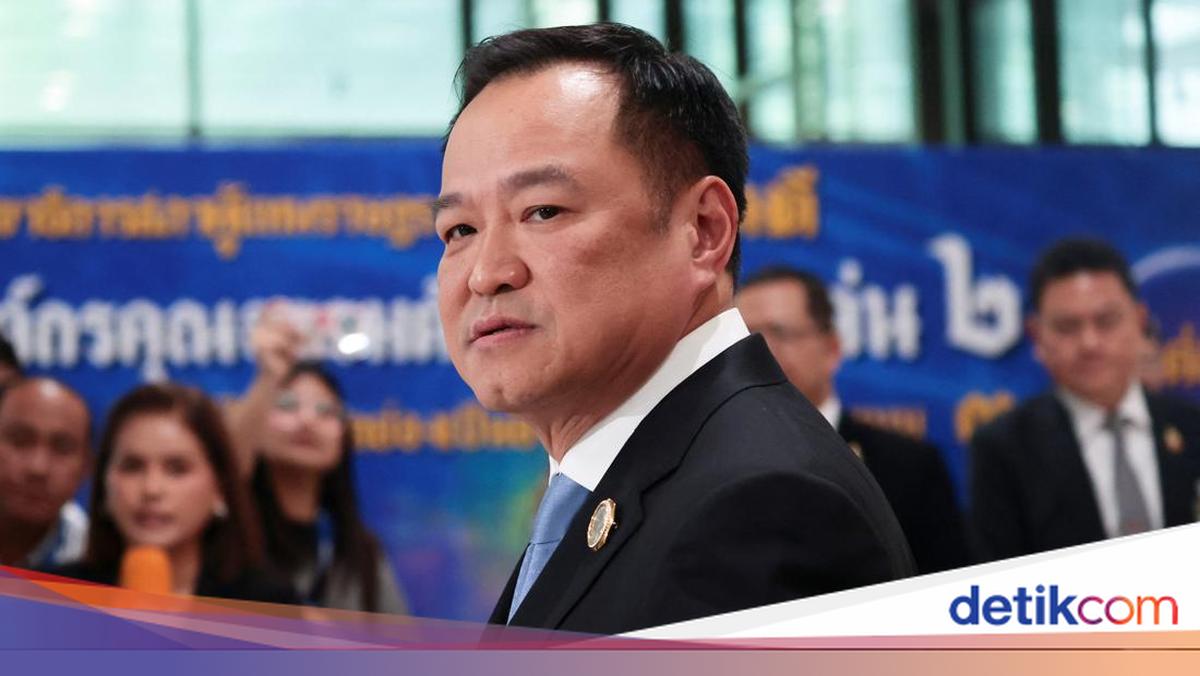
Anutin Charnvirakul has been re-elected as Thailand’s Prime Minister based on the latest parliamentary vote. Anutin is the heir to a construction company dynasty and an amateur jet pilot who has campaigned for the decriminalisation of cannabis in Thailand and presents himself as a figure close to the people.
According to AFP on Thursday (19/3/2026), following a surprise election victory in February, parliament has reinstated the incumbent after he garnered votes exceeding the 250-seat threshold. This conservative billionaire politician has been tasked with addressing weak growth and other economic turbulence in the coming period.
Anutin is known for his fondness for street food and appears on social media wearing T-shirts and shorts while stir-frying with a wok, or playing 1980s Thai pop music on the saxophone or piano.
This approach has been well-received by Thai voters, who see him as an effective and, most importantly, independent figure, unlike some other elite heirs. At the same time, he is viewed as loyal to Thailand’s traditional social order—a stance that resonates with many in a society that remains largely conservative.
The 59-year-old man won last month’s election thanks to a wave of patriotism sparked by the border conflict with Cambodia, which killed dozens on both sides last year and displaced more than a million people.
On election day, he openly stated that “Nationalism is in the heart of every member of the Bhumjaithai Party.” “You can see its colour,” he said, referring to his party’s blue colour and the Thai national flag.
He first became prime minister in September 2025 after his predecessor and former coalition partner, Paetongtarn Shinawatra—the daughter of imprisoned former leader Thaksin Shinawatra—was ousted by a court order.
Anutin withdrew from the coalition with Shinawatra’s Pheu Thai party after Paetongtarn referred to former Cambodian leader Hun Sen as “uncle” and a Thai military commander as her “opponent” in a leaked phone conversation, which sparked widespread outrage.
Immediately after taking office, Anutin authorised the armed forces to take any action they deemed appropriate at the border without prior consultation with the government.
The Thai military seized several disputed areas in the latest clashes in December, before the current ceasefire was imposed. “No one wants fighting, no one wants conflict,” he told AFP during the campaign. “But we must defend our integrity and sovereignty.”
Anutin’s family wealth is centred on Sino-Thai Engineering, a construction firm that has secured lucrative government contracts for decades, including for Bangkok’s main airport and the parliament building.
Anutin’s father was interim prime minister during the 2008 political crisis and later served three years as interior minister. His political journey has long been intertwined with the Shinawatra family, both as an ally and a rival.
Anutin, an industrial engineering graduate from New York, joined Thaksin’s party—which was then called Thai Rak Thai—in his early 30s and was banned from political activity for five years when the party was dissolved in 2007.
After being banned from politics, he learned to fly, amassing a number of private aircraft that he uses to transport organ donors to hospitals for transplants.
In addition to three aircraft worth more than $21 million, Anutin’s declared assets as of December include two boats, several luxury cars, and two dozen amulets worth about $2.8 million, according to official disclosures.
In 2012, he returned to politics as leader of Bhumjaithai, a party that has proven to be a political chameleon, joining several government coalitions. He served as deputy to three of his predecessors as prime minister, including Paetongtarn.
Previously, he managed Thailand’s pandemic response, which was heavily reliant on tourism, as health minister under a military-led government, and made global headlines when he fulfilled his 2022 campaign promise to legalise cannabis in an effort to stimulate the economy.
Three months after taking office as prime minister last year, Anutin dissolved parliament and called for a general election, a gamble that has paid off handsomely.
Ahead of Thursday’s parliamentary vote, Anutin told reporters that he hoped to “remain in my position to serve the people for as long as I am able”.