
Anticipating Hantavirus, Soekarno-Hatta Airport Tightens Arrival Screening for Tourists from 4 Countries
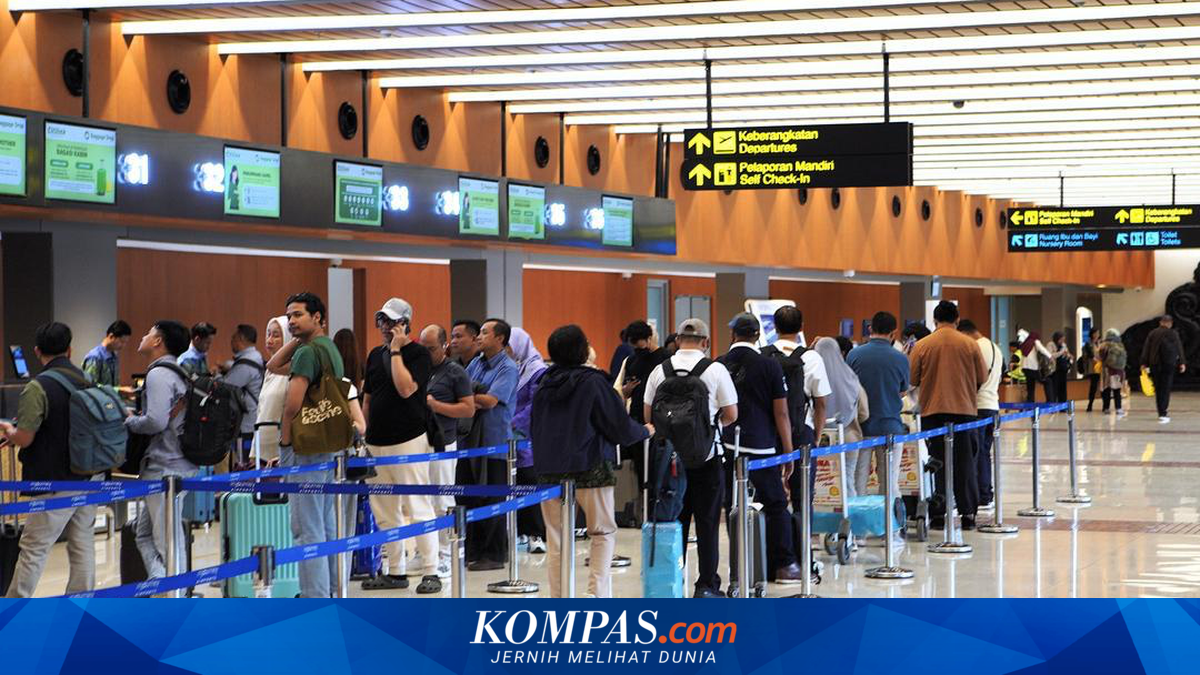
Four countries are under extra surveillance to anticipate Hantavirus at Soekarno-Hatta International Airport in Tangerang, Banten. The countries in question are the United States, Argentina, Uruguay, and Panama. Based on information from the Main Health Quarantine Centre (BBKK) at Soekarno-Hatta International Airport, these four countries have been identified as having Hantavirus cases. “So there are four countries where we are implementing extra tightening if there are direct flights to Soekarno-Hatta,” said the Head of BBKK Soekarno-Hatta Airport, Naning Nugrahini, as quoted by Kompas.com on Tuesday (12/5/2026). Starting with filling out health declarations through the Satu Sehat application to temperature checks using thermal scanners. “First through filling out the Satu Sehat application. From there, we will know the risk from that flight, whether there are people at risk or not,” said Naning. Next, there will be observation of signs and symptoms through thermal scanners and visual observation. “If from the examination the person in question is probable, then we refer them to the central infectious disease hospital for further handling,” she said. They have also prepared a special ambulance for infectious diseases for the patient referral process. “Because the people we transport, the ones we refer, are people with infectious diseases,” she explained. Initial symptoms of Hantavirus infection include fatigue, fever, and muscle aches, headaches, dizziness, chills, and abdominal problems in some patients. This disease rarely spreads between humans. If someone contracts Hantavirus, the victim can experience severe respiratory disease. Nevertheless, the BBKK at Soekarno-Hatta International Airport will remain vigilant and anticipate to prevent it from entering Indonesia. “In the infectious disease ambulance, there is a decontamination system so that viruses, bacteria, or germs originating from the person inside the ambulance that we suspect can be decontaminated so that transmission from person to person does not occur,” she concluded.