
Anticipating Global Conflict Impact, Coordinating Minister Airlangga Pushes Strengthening Tourism as Economic Growth Engine
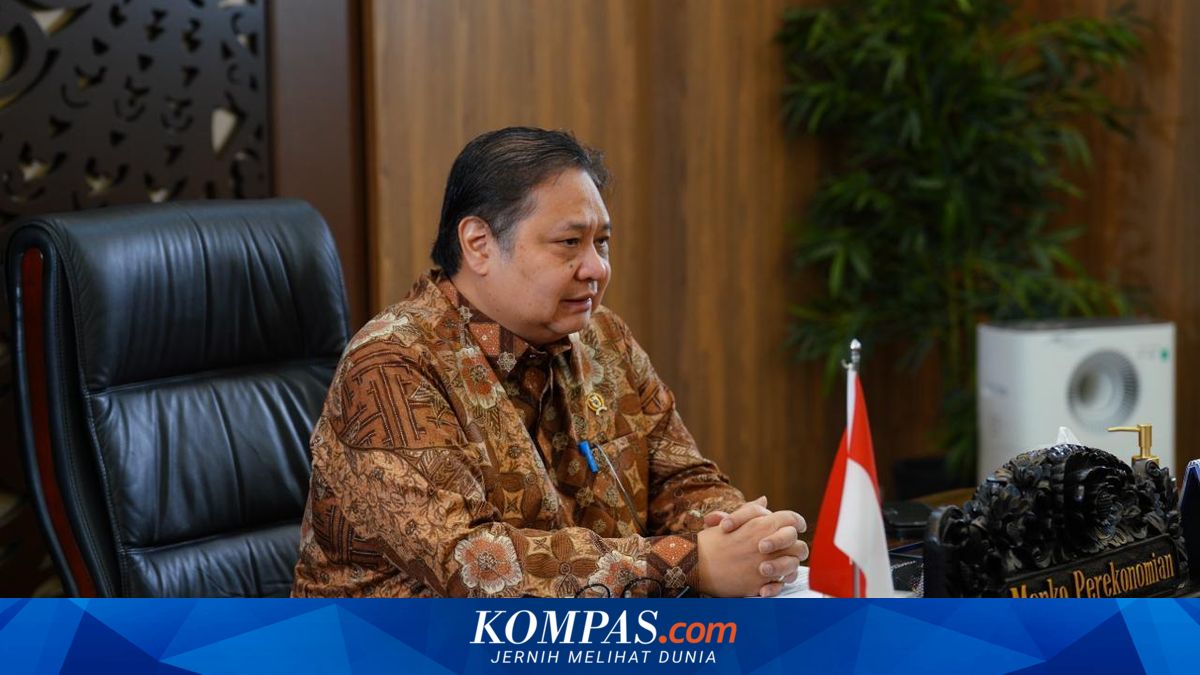
The tourism sector has proven its role as one of the engines of national economic growth, contributing Rp 945.7 trillion or equivalent to 3.97 per cent of Indonesia’s gross domestic product (GDP) in 2025.
This achievement was driven by a surge in international visitor arrivals reaching 15.39 million people, growing 10.7 per cent year-on-year. Additionally, the sector generated foreign exchange of 18.91 billion US dollars and provided livelihoods for 25.91 million workers.
However, the resilience of the tourism sector is now being tested by global turbulence, particularly the conflict in the Middle East which is disrupting international flight connectivity.
The Indonesian Ministry of Tourism (Kemenpar) projects potential losses of 5,500 international visitors and foreign exchange losses of up to Rp 184.8 billion per day if not properly mitigated.
An InJourney Airports report covering the period from late February to 10 March 2026 also noted disruptions on nine international routes at Soekarno-Hatta Airport and Ngurah Rai Airport, impacting 47,012 passengers. This situation has been further exacerbated by rising fuel costs.
“For this reason, Indonesia needs to promptly conduct reforms to mitigate the impact of the global crisis whilst building a competitive and resilient tourism sector,” said Coordinating Minister for Economic Affairs Airlangga Hartarto, as reported on the ekon.go.id website on Monday (16/3/2026).
One approach is through the expansion of the Visa Exemption Visit (BVK) policy. Based on a World Travel and Tourism Council study, the implementation of this policy since 2015 has been able to drive tourist growth of up to 15 per cent annually and create approximately 400,000 job opportunities.
Kemenpar has also identified 20 potential countries as a rapid response to the current situation.
Additionally, the government is promoting strengthening of the domestic market by capitalising on the Eid holiday period through the micro-tourism concept, namely the development of destinations based on short-distance travel with deeper experiences.
The government is also providing stimulus in the form of transportation discounts during the 2026 Eid period as well as flexible working policies (work from anywhere/WFA) to encourage tourist movement.
Other steps include opening new international routes, strengthening Indonesia’s image as a safe and stable destination, and developing destinations for digital workers (digital nomads), including in Jakarta, Riau Islands, and special economic zones (SEZ) in Bali.
He added that collaboration and synergy amongst stakeholders is key to maintaining the resilience of the tourism ecosystem amid global dynamics. This situation also presents an opportunity to strengthen the structural foundations in national tourism development.
“I hope this forum can produce strategic ideas that have an impact on Indonesia’s tourism sector. Let us ensure that Indonesian tourism remains robust, resilient and able to adapt to various global geopolitical shocks,” concluded Coordinating Minister Airlangga.