
Anticipating Geopolitical Impacts Through Strengthening the Domestic Economy and Ensuring Affordable Food
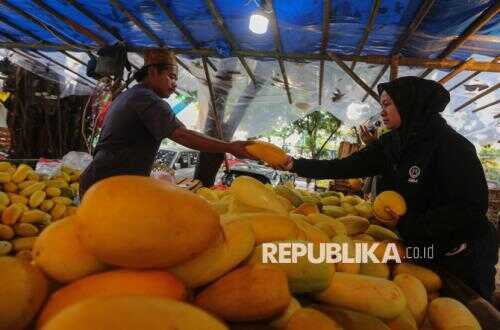
Jakarta — In facing global geopolitical challenges and the seasonal dynamics ahead of Eid al-Fitr 1447 AH, the Indonesian government is strengthening the synergy between macroeconomic policy and concrete on-the-ground steps to safeguard the sovereignty of the domestic market. Coordinating Minister for Economic Affairs Airlangga Hartarto stressed that strengthening the domestic market is a direct instruction from President Prabowo Subianto. The move is crucial to anticipate global uncertainty, such as conflicts in the Middle East that disrupt logistics routes and international air transport. With a population of 287 million, Indonesia is committed to protecting domestic production so that it remains resilient against external pressures and not merely a market for other countries. In line with this vision, Trade Minister Budi Santoso guaranteed price stability and supply availability through an integrated monitoring system. The Ministry of Trade relies on the Essential Goods Market Monitoring System (SP2KP), updated online to detect price fluctuations in real time. He said the government’s physical presence in people’s markets is not only to monitor data, but also to provide a psychological effect so that traders do not raise prices beyond the Highest Retail Price (HET). These central-level efforts are then translated into tangible actions by local governments, one example being Batang Regency in Central Java. To anticipate seasonal price spikes, Batang Regency has intensified the Affordable Food Campaign to curb inflation ahead of Eid al-Fitr 2026.