
Anticipating Geopolitical Impacts, Society Needs to Use Energy Wisely
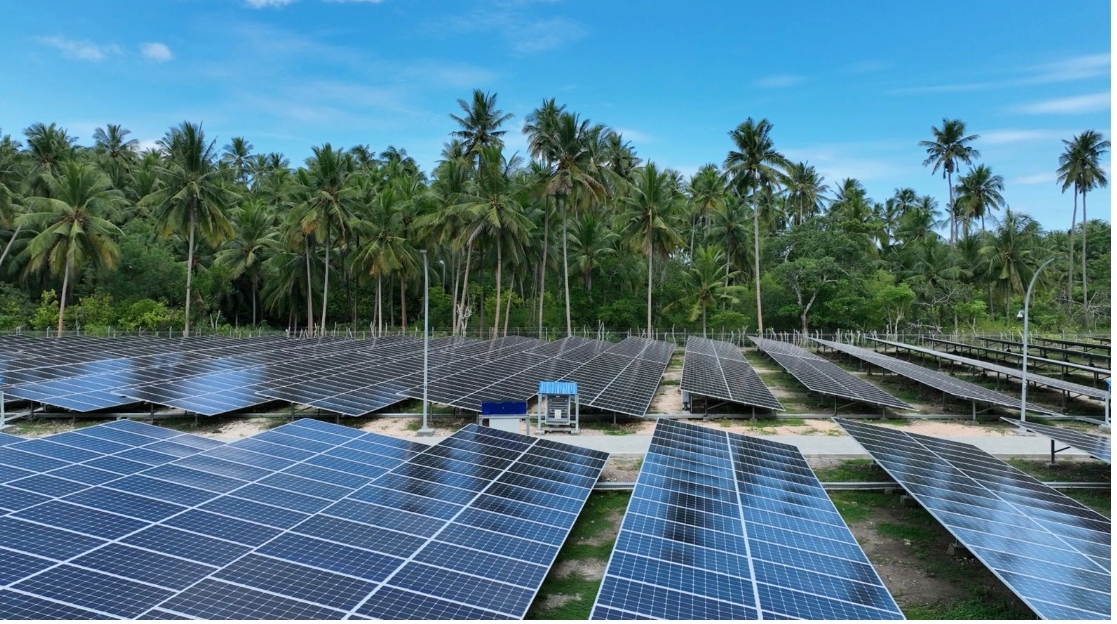
Society needs to use energy wisely to anticipate the impacts of geopolitics in the Middle East, particularly in the short and medium term. This is considered important even though a report from the British international media outlet, The Economist, states that Indonesia’s energy resilience is stronger than other countries, including Vietnam. “From The Economist’s report, there is indeed no need to worry about domestic energy regarding the geopolitical impacts in the Middle East. In terms of energy resilience, we are more stable (compared to Vietnam). In the medium term, we are not too exposed, for example, if the current geopolitical situation continues,” said Professor Hamid Paddu, a professor at Hasanuddin University, on Tuesday (24/3/2026). Hamid stated that the report aligns with the national energy resilience conditions. Namely, Indonesia is on the right track in building energy resilience. “I think, yes (on the right track). Because The Economist is more fair. They report based on data, evidence-based that exists. The information they have with the policies they know,” Hamid said. According to Hamid, the report states that Indonesia is one of the developing countries most secure from the impacts of the global energy crisis because the government has carried out good energy diversification. Among others, solar power plants, promoting the use of electric vehicles, and so on. Of course, including what Pertamina has done, among others through the development of new and renewable energy (EBT), such as geothermal. Moreover, he said, during the energy transition and diversification period, the government through state-owned enterprises continues to seek new oil reserves. Even now, Indonesia has proven oil reserves of 4.4 billion barrels. Hamid agrees that these reserves can strengthen national energy resilience for the next 10 years. “We still have quite large oil reserves. For the medium term, we are not too exposed if the geopolitical conditions continue,” he explained. Therefore, Hamid agrees that there is no need to doubt national energy resilience. “Yes (no need to worry), because Indonesia has prepared,” Hamid continued. However, Hamid agrees that society does need to be wise in using energy. Previously, the International Energy Agency (IEA) mentioned various anticipatory steps to address energy supply disruptions. According to the IEA on 20 March 2026, efforts that can be taken include lowering demand. These efforts include minimising land and air transport, as well as working from home if possible. In addition, through switching to electric stoves. “Addressing demand is an important and immediate tool to reduce pressure (on) consumers by increasing affordability and supporting energy security,” said the IEA. On the other hand, previously the British international media The Economist assessed Indonesia as one of the developing countries most secure from the impacts of the global energy crisis due to the escalation of conflict between Iran, the United States, and Israel. This position places Indonesia in the category of countries with low exposure risk but strong resilience buffers (low exposure, strong buffer). “Some countries, including Indonesia, appear relatively isolated (from bad impacts) thanks to a combination of domestic energy resources and strong buffer policies,” writes the latest Economist report titled Which country is the biggest loser from the energy shock. This analysis shows that Indonesia has a much more stable strategic position than neighbouring countries like Vietnam. Although both are in the low exposure zone, Indonesia has a higher resilience score, surpassing Vietnam which is more vulnerable to disruptions in the global manufacturing supply chain.