
Anticipating Energy Crisis, South Kalimantan Promotes Development of New Renewable Energy
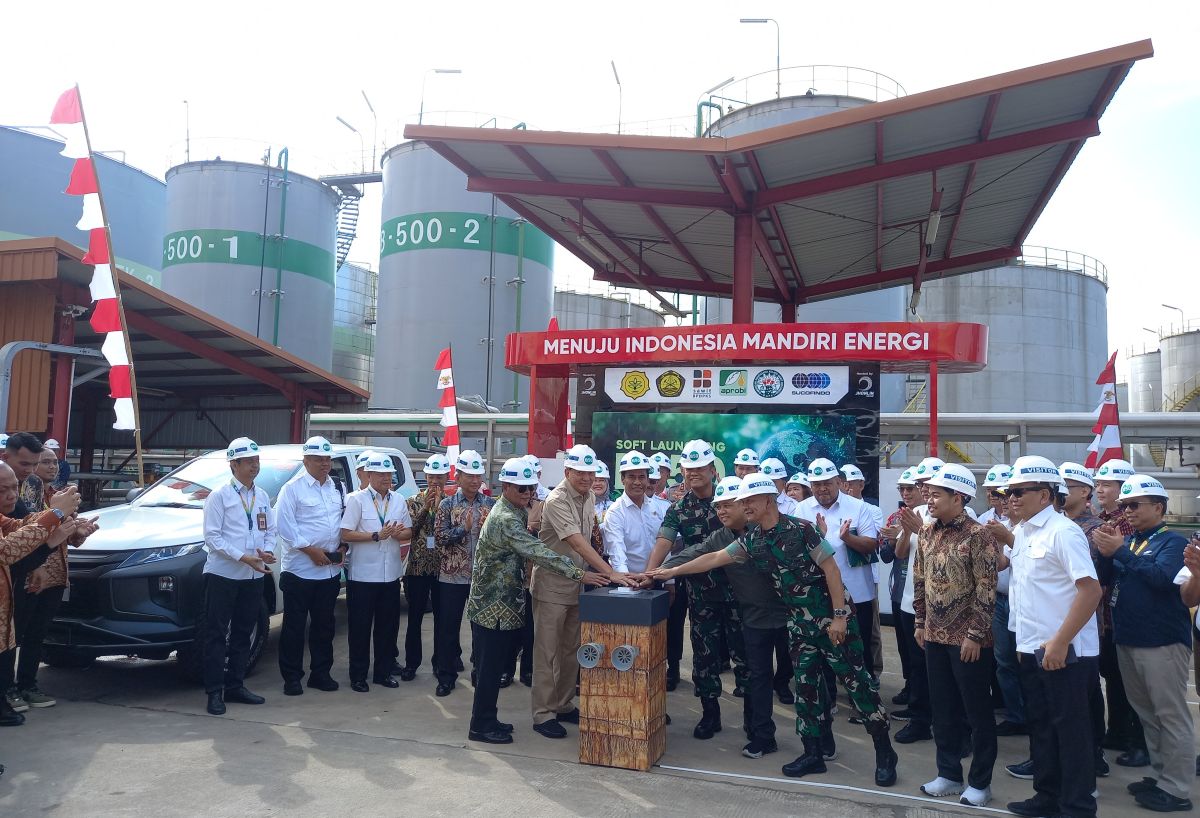
The South Kalimantan provincial government is promoting the acceleration of New Renewable Energy (EBT) development to anticipate the threat of an energy crisis due to dependence on fossil energy. In South Kalimantan, the EBT potential is estimated to reach 3,270 megawatts, sourced from solar, wind (bayu), water, biogas, and biomass energy. ‘EBT development is crucial to address the energy crisis resulting from dependence on fossil energy. Moreover, considering the geopolitical developments of the war in the Middle East, which could threaten an energy crisis. This is an inevitability; it is time for the government to accelerate EBT development,’ stated Endarto, Head of the Energy Division of the Energy and Mineral Resources (ESDM) Department of South Kalimantan Province, on Thursday (26/3). With its vast potential, EBT development will strengthen domestic energy resilience and create energy independence. At the same time, it will realise Indonesia’s commitment to reducing greenhouse gas (GRK) emissions. Specifically for wind energy (bayu), South Kalimantan has a potential of up to 1,400 MW, with the largest in Tanah Laut Regency. Currently, the EBT energy mix in South Kalimantan reaches 14 percent, and in the Regional General Energy Plan (RUED), it is targeted to increase to 16.8 percent by 2026 and 20 percent by 2029. ‘Indeed, the challenge is that South Kalimantan is in a position of abundant electricity production, with an electrification rate of 99.96 percent. However, the electricity generated is still dominated by energy from fossils, particularly coal,’ said Endarto. He further stated that one important aspect is the policy on electric vehicles and electric stoves. ‘Although the ecosystem is not yet ready, we must prepare regardless. Of course, the government must create pro-people policy designs,’ he said. ‘This programme is quite good and shows positive developments, especially in big cities. There is still much homework to be done, one of which is building the ecosystem from upstream to downstream, including incentives or facilities for the public to switch to using electric vehicles,’ stated Professor M Gusti Hatta, Minister of Environment and Research and Technology during President SBY’s era. Ideally, electric vehicle policies should also be balanced with policies to increase the EBT energy mix, including nuclear energy development, which has great potential in Indonesia, so that the energy supply for charging electric vehicles comes from clean energy. The Secretary General of the Indonesian Biofuel Producers Association (Aprobi), Ernest Gunawan, stated that the allocation for the mandatory B40 programme in 2026 is set at 15.646 million kilolitres. The main focus is adding power plant capacity up to 100 gigawatts, with 75% targeted to come from New Renewable Energy (EBT). The South and Central Kalimantan Distribution Main Unit has entered into a strategic partnership with PT Borneo Indobara (BIB) through the signing of a Renewable Energy Certificate (REC) sales agreement. The geothermal industry has good prospects in supporting the government’s targets to expand new and renewable energy (EBT) power plant capacity. The government continues to strengthen the direction of national energy policy by accelerating New Renewable Energy (EBT) development. This step is to strengthen national energy resilience.