
Antam Gold Price Update Today, Rising to Rp 3.135 Million Per Gram
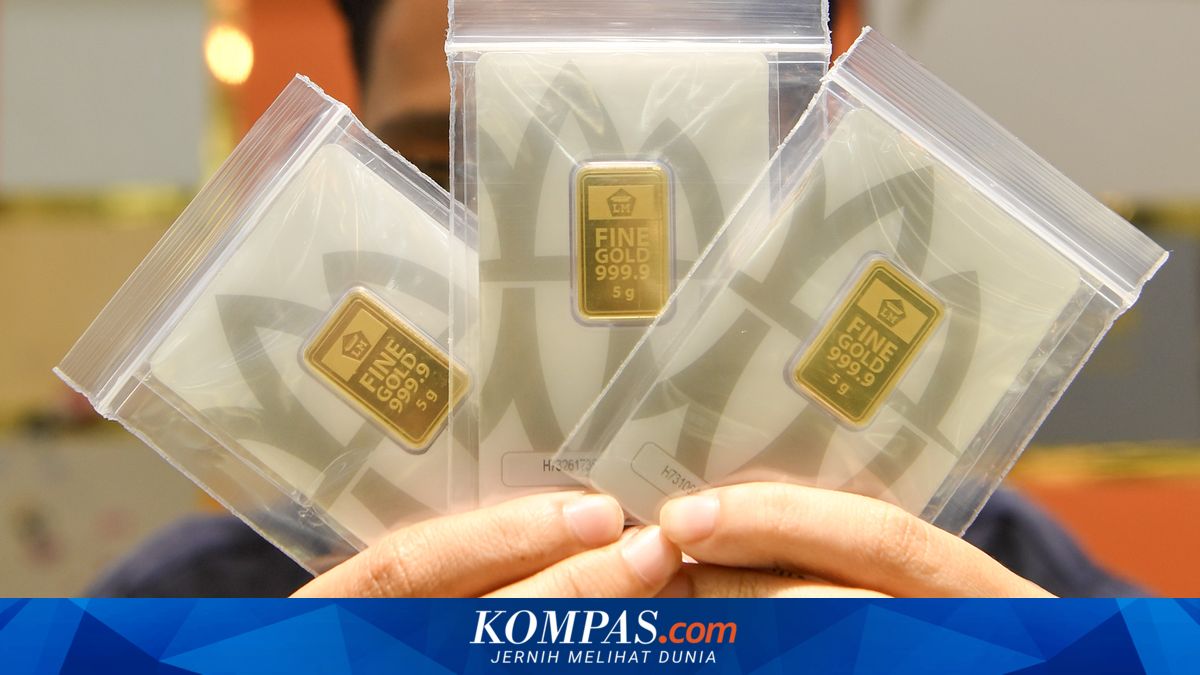
JAKARTA – Antam gold prices today, Monday 2 March 2026, rose by Rp 50,000 per gram compared to the previous trading session. Based on the official Logam Mulia website, Antam gold bullion prices now stand at Rp 3.135 million per gram.
This increase has seen Antam gold prices in the 1-gram denomination resume higher movement at the start of the week. Meanwhile, Antam gold buyback prices also strengthened by Rp 50,000 to reach Rp 2.914 million per gram.
Antam gold bullion is available in various weight options, ranging from 0.5 grams to 1,000 grams (1 kilogram). This variety provides flexibility for investors to adjust their purchases in accordance with their individual needs and financial capacity.
For gold purchases, an Income Tax (PPh) Article 22 levy of 0.45 per cent applies for buyers holding a Taxpayer Identification Number (NPWP), and 0.9 per cent for buyers without an NPWP. Each purchase transaction will be accompanied by a tax withholding receipt for PPh 22.
Meanwhile, for the resale (buyback) of gold to PT Antam Tbk with transaction values exceeding Rp 10 million, a rate of 1.5 per cent applies for NPWP holders and 3 per cent for non-NPWP holders. The gold buyback tax is deducted directly from the total transaction value.
Gold prices in the spot market rose 1.35 per cent to USD 5,348.49 per troy ounce at 23:16 GMT or 06:16 West Indonesia Time. Meanwhile, US futures gold contracts surged 2.2 per cent to USD 5,362.30 per troy ounce.
Israel launched a fresh wave of attacks on Tehran on Sunday, 1 March 2026, which Iran subsequently countered with a series of missile strikes.
The escalation occurred a day after reports concerning the death of Iran’s Supreme Leader Ayatollah Ali Khamenei, which has triggered increased uncertainty regarding regional stability and the global economy.
“Gold is perhaps the best barometer to reflect global uncertainty, and pressure continues to mount. We can anticipate gold prices will set new records as we enter a new era of geopolitical uncertainty,” according to Norman.