
Another electric car "falls": Volvo halts EX30 in the US
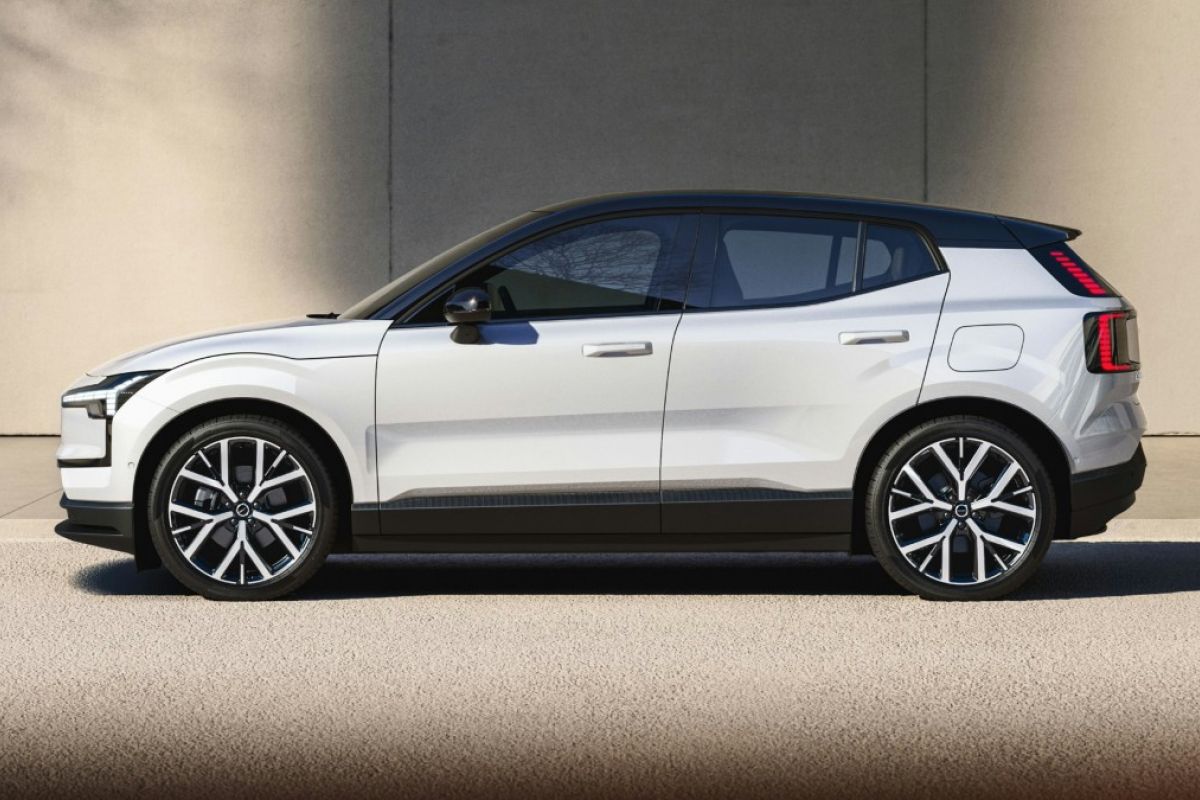
The United States (ANTARA) - Volvo will cease sales of the subcompact electric SUV EX30 in the United States after just two model years. The Swedish carmaker will continue selling the EX30 globally, but it becomes one of several electric vehicles “eliminated” as tariffs and production costs force car manufacturers to adjust their strategies amid changes in the automotive industry. The USA Today website, on Tuesday (17/3) local time, notes that with the current government stance on electric vehicles, minimal federal incentives, and tariffs heavily impacting global carmakers, many EVs are expected not to last until 2026. Electric vehicles have indeed begun to influence the US market in recent years, but not all EVs share the same fate. Large models like the Tesla Model Y and Model 3 have become extremely popular and are used daily by many people in the US. In contrast, other less successful EV models have become a burden for carmakers amid highly competitive market conditions. Volvo sold around 5,400 units of the EX30 in 2025. This figure may be decent for some EV models, but Hyundai sold more than 47,000 units of the Ioniq 5 in the same year, according to Cox Automotive data. Meanwhile, Tesla sold over 192,000 units of the Model 3 sedan in 2025, far surpassing its competitors. Is the Volvo EX30 worth buying? The 2026 Volvo EX30 starts at $40,345 (approximately Rp683.4 million). This car produces 268 horsepower and 253 lb-ft of torque, with a range of up to 420 km on a single charge. Volvo also offers the Twin Motor Performance variant for $46,345 (Rp785 million) with 422 horsepower and 400 lb-ft of torque. This variant has a range of around 407 km. The EX30 may appeal to a small segment of EV enthusiasts, but its impact is deemed not significant enough for Volvo to continue producing it. Why are many carmakers starting to abandon EVs? Volvo is following the steps of several other brands, including Ford, which also discontinued promising but business-unsustainable electric vehicle models. Many carmakers are beginning to reduce EV production because President Donald Trump revoked the electric vehicle policies from President Joe Biden’s era. No longer required to produce electric vehicles, manufacturers can now focus more on petrol and hybrid cars, which are more profitable, cheaper to produce, and more popular with US consumers. Toyota recently made its two best-selling models, the Camry and RAV4, standard hybrids. The decision to eliminate pure petrol versions of both models reflects market trends. US car consumers now tend to choose affordable and fuel-efficient vehicles. Tesla’s sales are an exception compared to other brands. The EX30 is likely not the last EV model to “fall” amid rapidly changing market conditions.