
Annual Vehicle Tax Payments in Depok and Bekasi No Longer Need to Bring BPKB
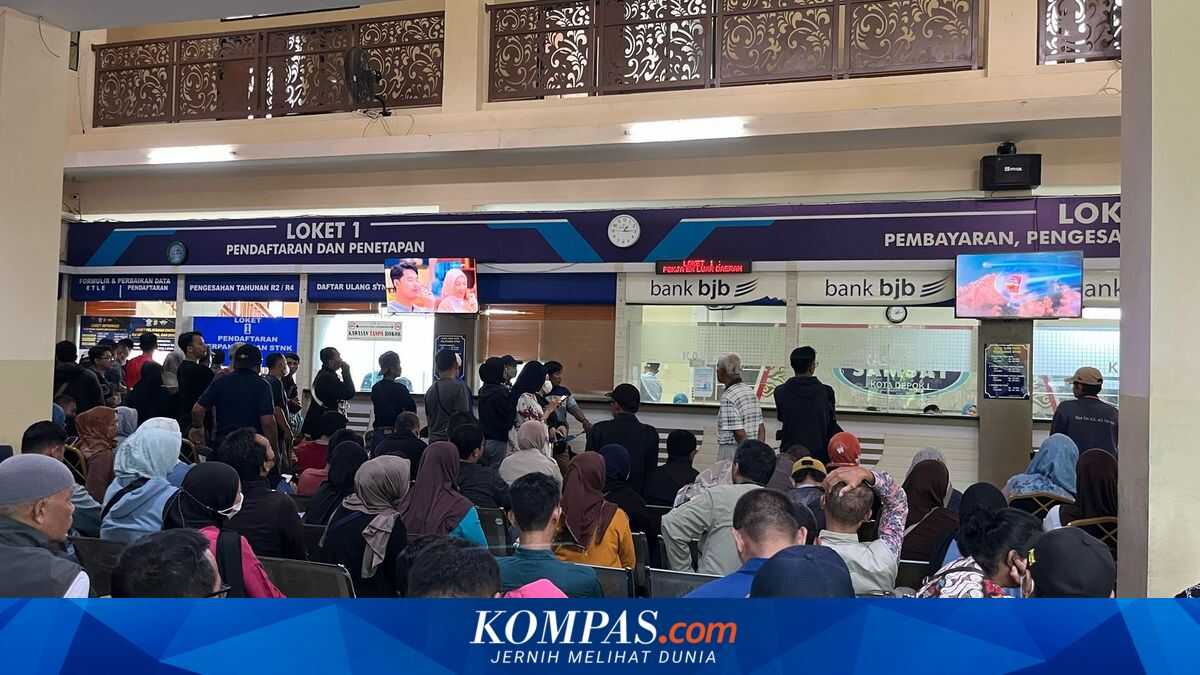
KOMPAS.com - Paying the annual motor vehicle tax in Depok and Bekasi no longer requires bringing the BPKB; an e-KTP and the original STNK are sufficient. The policy was announced by West Java Governor Dedi Mulyadi via his official Instagram account, @dedimulyadi71, on Tuesday (3 March 2026). ‘For residents of West Java in the Depok, Kota Bekasi, and Kabupaten Bekasi areas, who have previously had to bring the BPKB when paying motor vehicle tax, I declare that from today you no longer need to bring the BPKB either in its original form or as a copy, and you can proceed with the service directly,’ he said in a video posted on his personal account. Bapenda Jabar stated that this rule applies specifically to 1-year PKB payments in areas under the coordination of Polda Metro, namely Depok, Cinere, Cikarang, and Bekasi. ‘This policy concerns only the 1-year tax payments in areas under Polda Metro such as Depok, Cinere, Cikarang, and Bekasi,’ Bapenda Jabar said. Residents paying the annual tax in those areas can now complete the formalities without attaching the original BPKB or its copy. The documents that must be carried remain to be listed. Meanwhile, for five-year vehicle tax payments, residents are still required to attach the original BPKB. Outside areas under Polda Metro, the 1-year tax payment rules remain as before, i.e., carrying the original e-KTP and STNK. ‘We also encourage residents to utilise SIGNAL,’ said Dedi. The SIGNAL app enables taxpayers to pay vehicle taxes online without visiting a Samsat office, provided they meet the applicable requirements. ‘Thank you to all West Java residents for diligently paying their taxes, contributing to revenue growth in West Java,’ he added. He emphasised that revenue from vehicle taxes will be reinvested in road infrastructure, including provincial roads under the governor’s responsibility, district/city roads under the mayors’ and regents’ authority, and village roads under the village heads’ responsibility. The policy is hoped to ease administrative services for residents of Depok and Bekasi and to boost compliance with motor vehicle tax payments in West Java.