
Andhika Sudarman, Founder of Dealls and SejutaCita, Removed From Harvard Club of Indonesia Amid Sexual Harassment Allegations
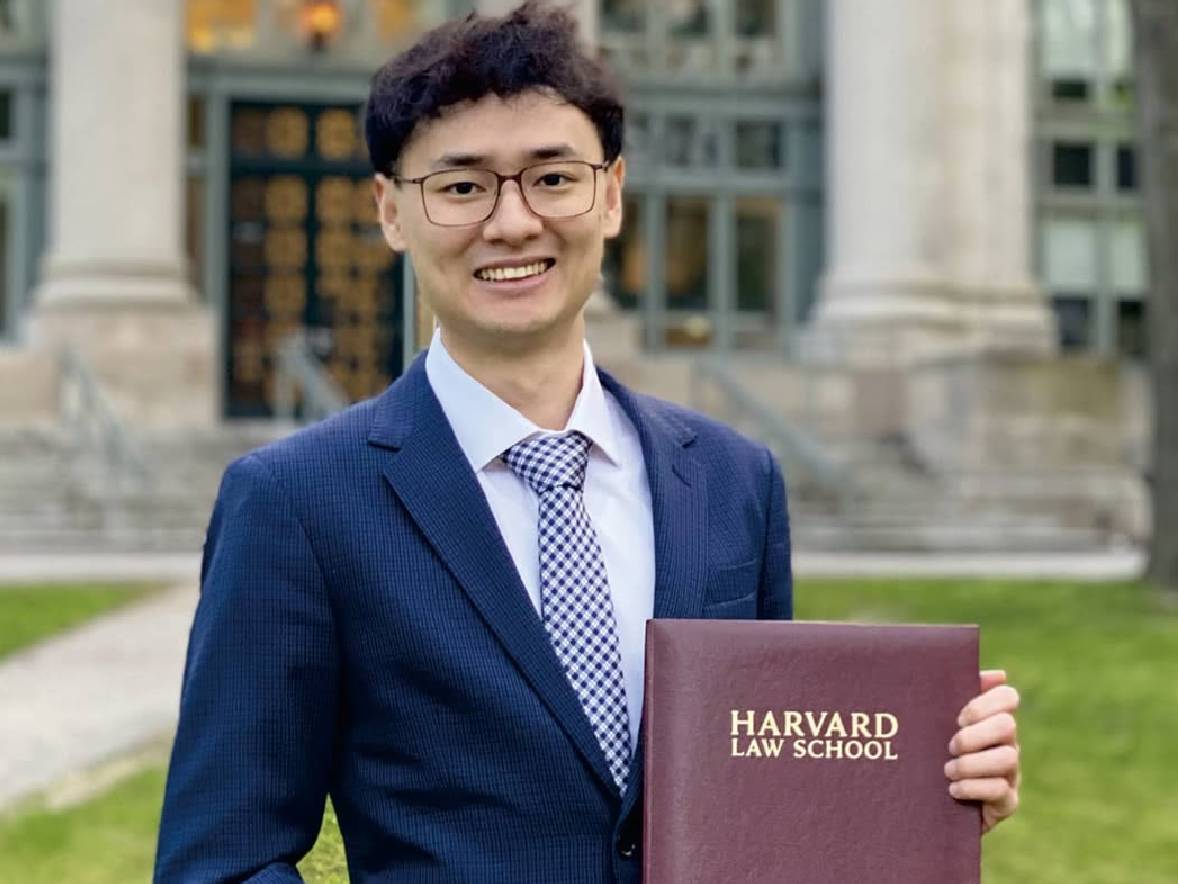
A Harvard Alumnus and LPDP Scholar, Andhika Sudarman Faces Removal From the Harvard Club of Indonesia Amid Serious Sexual Harassment Allegations
Andhika Sudarman, Harvard Law School graduate and LPDP scholar, has been removed from the Harvard Club of Indonesia following sexual harassment allegations from participants of his SejutaCita Future Leaders program. The controversy, which surfaced on 26 February 2026 and escalated by 2 March 2026, includes claims of inappropriate physical contact and serious logistical failures. While Andhika Sudarman denies the harassment allegations and attributes discomfort to a “risky communication style,” the case has ignited nationwide debate about mentorship ethics, institutional accountability, and the culture of founder worship in Indonesia’s startup ecosystem.
The Unraveling of a Carefully Built Image
In Indonesia’s aspirational middle-class imagination, the “Golden Boy” archetype is instantly recognizable: Ivy League degree, government-backed scholarship, polished English, and a startup promising to democratize opportunity. For years, Andhika Sudarman embodied that ideal.
A graduate of Harvard Law School and a recipient of Indonesia’s prestigious LPDP scholarship under the Ministry of Finance, Andhika Sudarman positioned himself as both intellectual and entrepreneur. Through Dealls and SejutaCita, Andhika Sudarman promised to bridge the gap between Indonesian talent and global opportunity.
But beginning around 26 February 2026, that promise began to fracture. A series of testimonies from participants in the SejutaCita Future Leaders (SFL) program circulated on X and Instagram, including via the account @matchagreen1001. What began as complaints about mismanagement quickly escalated into allegations of inappropriate physical contact and predatory behavior during mentoring sessions.
On 2 March 2026, the Harvard Club of Indonesia confirmed Andhika Sudarman’s removal from its leadership board. The fall was swift—and public. Andhika Sudarman controversy now raises uncomfortable but urgent questions about mentorship, power, and the fragility of reputations built on prestige.
Prestige as Shield—and Its Limits
The rise of Andhika Sudarman was not accidental. As the first Indonesian to deliver a commencement speech at Harvard Law School and a recipient of the Dean’s Award for Community Leadership, he became a symbol of upward mobility in a nation obsessed with educational validation.
That prestige fueled trust. It attracted thousands of students to Dealls and SejutaCita. The SFL program, marketed as an elite international “edu-trip” to cities such as Beijing and Shanghai, carried the aura of exclusivity.
Participants paid registration fees of approximately IDR 99,000 (around SGD 8–9 at current rates) per category. Many opted for “self-funded” or “partially funded” tiers costing significantly more. The branding suggested immersion, leadership cultivation, and access to elite networks.
But by early 2026, multiple participants described a far less glamorous reality. Reports included:
– Being forced to stand for up to four hours on high-speed trains due to ticket mismanagement
– Substandard accommodations inconsistent with marketing promises
– Disorganized logistics and unmet commitments
The gap between marketing and execution became glaring. What had been framed as educational philanthropy increasingly resembled, to critics, a commercial model driven by aggressive branding rather than operational integrity. For many observers, this was the first crack in Andhika Sudarman’s carefully constructed image.
Allegations of Predatory Mentorship
The logistical failures, however, were not the core of the scandal. The more serious allegations centered on Andhika Sudarman’s conduct during mentoring sessions.
Participants using pseudonyms such as “Mawar” and “Lili” described behavior they perceived as inappropriate and deeply unsettling. Allegations included:
– Comments about physical appearance, including being called “beautiful and innocent”
– Leading questions about relationships and trust in men
– Repeated touching of a participant’s thigh during a session, allegedly dismissed by Andhika Sudarman as “friendly bonding”
These accounts describe an environment shaped by power imbalance. In such spaces, a mentor is not merely a guide but a gatekeeper—someone whose approval may influence scholarships, networking, or professional prospects.
When Andhika Sudarman entered the room, he did so as a Harvard graduate, LPDP scholar, and startup founder. That status, according to participants, made resistance psychologically difficult. The alleged conduct—if proven—would represent not a misunderstanding, but a misuse of structural authority.
The psychological consequences of such experiences, particularly for young participants in formative stages of their careers, are profound. Mentorship relies on trust. When that trust erodes, the damage extends beyond individuals to entire ecosystems.
The Harvard Club of Indonesia Acts
On 2 March 2026, the Harvard Club of Indonesia issued an official statement confirming that Andhika Sudarman was no longer part of its leadership. The decision, announced by President Radju Munusamy and Vice President Andre Prawira Putra, emphasized that the board took the allegations seriously and accepted his resignation to safeguard the organization’s integrity.
Andhika Sudarman was also barred from organizing activities under the club’s banner pending resolution of the matter. In Indonesia’s elite alumni circles—often criticized for insularity—this was a notable move. The Harvard Club of Indonesia’s swift action signaled that institutional affiliation does not guarantee immunity. For many, this marked a turning point. Academic prestige, even one tied to Harvard, is not a shield against accountability.
The Defense: “Risky Communication Style”
Facing mounting public scrutiny, Andhika Sudarman issued a four-point clarification on 2 March 2026 via his personal social