
Ancol Canal Polluted with Wastewater and Human Faeces Odour: How the Government is Addressing It
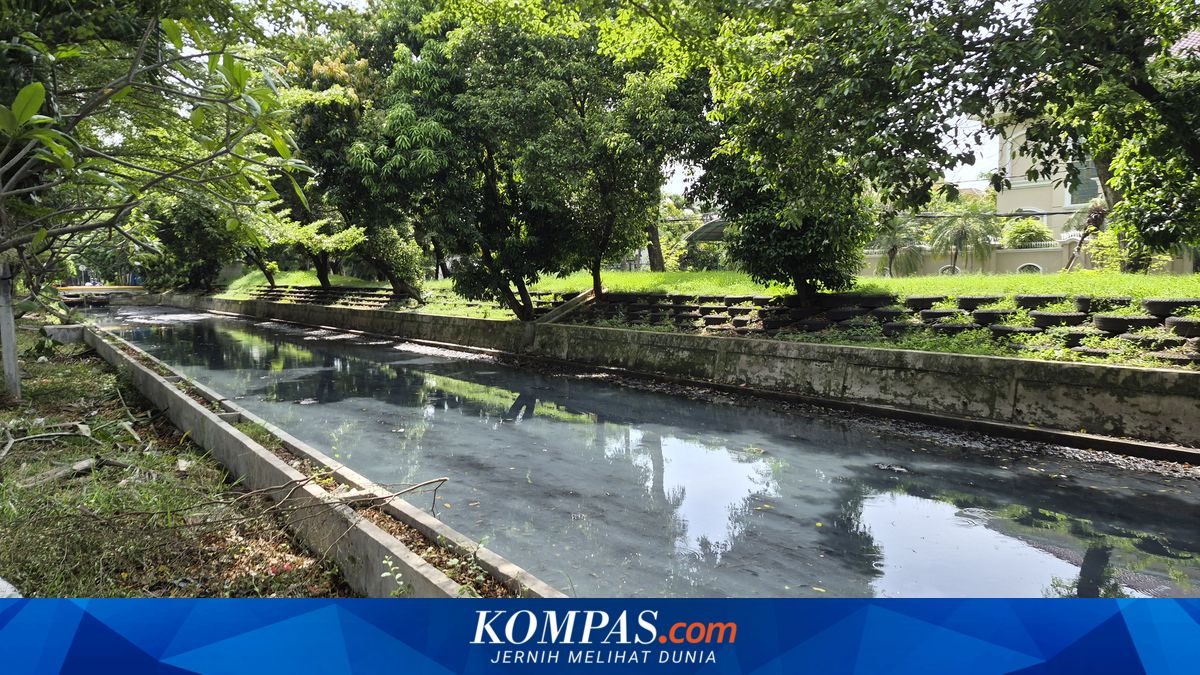
The Jakarta Environmental Agency (DLH) has promptly initiated improvements following complaints from numerous residents disturbed by the wastewater odour resembling human faeces from the canal in Jalan Karang Bolong Raya, Ancol, North Jakarta. One affected resident, Indos (38), who passes the canal daily on his way to and from work, stated: “The smell is like wastewater, like human faeces. As a road user, it’s really pungent even though I’m just passing by,” he said when interviewed at the location on Tuesday (31/3/2026). However, Indos could not pinpoint the exact cause of why the canal and nearby drains in Ancol always smell unpleasant. Another resident, Refi (42), experiences similar disturbances to his sense of smell every time he passes by the canal on Jalan Karang Bolong Raya. He suspects the canal smells due to pollution from nearby factory waste. “It’s actually disturbing, but what can we do? I don’t know where the smell comes from or what’s causing it; from one end to the other, there are factories,” he said at the location on Tuesday. The private sector worker hopes that in the future, the DLH Jakarta will carry out improvements so that the canals or drains around Ancol no longer smell unpleasant. DLH Jakarta’s public relations officer, Yogi Ichwan, stated that they have followed up on residents’ complaints regarding the unpleasant-smelling canal in Jalan Karang Bolong Raya. One of the actions taken was deploying officers to conduct field checks. The results of the field examination conducted by DLH Jakarta officers show that the water surface conditions of the connecting channels and drainage in the location are below normal. In addition, DLH Jakarta officers also took water samples from the canal at three different points: from the Ancol Barat drainage channel, the upstream section of the Jalan Karang Bolong connecting channel, and the downstream section of the Jalan Karang Bolong Raya connecting channel. From the sampling, it was determined that the dominant pollution source in the canal comes from domestic wastewater. “It was found that the dominant pollution source at the mentioned location comes from domestic wastewater, both from residential areas and partly from employee activities, as well as companies,” Yogi said in a written statement received by Kompas.com on Wednesday (1/4/2026). This is because the majority of households in Jakarta only have conventional septic tanks, which only hold blackwater waste without processing greywater waste. Meanwhile, business activities are required to treat wastewater and meet wastewater quality standards before discharging it into bodies of water. If waste management from these two sources is not carried out properly, unpleasant odours will plague the surrounding rivers and canals. Pollutants from wastewater discharged into rivers or canals will degrade naturally using the oxygen available in the river.