
Analysts warn of IHSG pressure risks amid Middle East conflict escalation
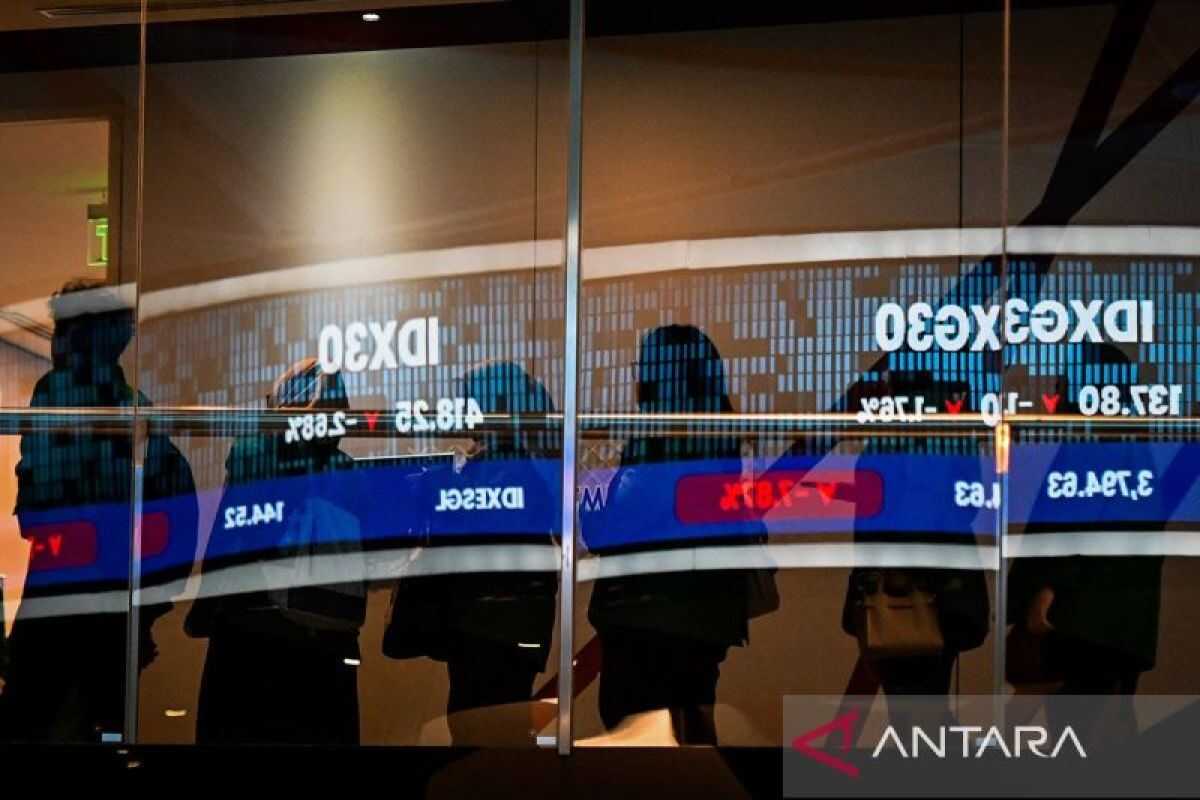
Jakarta — Market analysts have warned of mounting pressure on Indonesia’s Composite Stock Index (IHSG) in the coming week, citing escalating conflict in the Middle East. Hendra Wardana, a capital markets analyst and founder of Republik Investor, stressed that the intensifying tensions between Iran, the United States and Israel represent more than a political issue—they pose genuine economic risks at the global level.
According to Wardana, markets have already responded with a pronounced risk-off pattern. Global investors are retreating from risky assets and seeking refuge in safe-haven investments. The analyst explained that should the conflict disrupt tanker traffic through the Strait of Hormuz, global oil prices could spike significantly as markets reassess supply risks.
“The impact could spread to global inflation, exchange rates, and interest rate policies across various countries,” Wardana told Antara news agency in Jakarta on Sunday.
For Indonesia’s capital markets, pressure may emerge from two sources. First, potential capital outflows as foreign investors reduce exposure to emerging markets. Second, imported inflation risks from surging global energy prices.
If oil prices remain elevated, production costs for listed companies could rise, squeezing profit margins. Wardana projected that under such conditions, the IHSG could weaken and test a key support level at 8,133. Should that level break, the psychological support at 8,000 would be the next target, with the nearest resistance at 8,300.
However, Wardana noted that not all sectors would be negatively affected. For retail investors with aggressive profiles, he suggested that commodity sector momentum could be exploited with strict risk management. Conversely, conservative investors should maintain a wait-and-see stance whilst monitoring conflict developments and foreign fund flows.
“In hot geopolitical situations, success depends not simply on entering or exiting the market, but on reading sector rotations and keeping risks under control,” Wardana stated.
Friday’s closing data (27 February) showed the IHSG up 0.23 points or 0.00 per cent at 8,235.49. The LQ45 index of 45 blue-chip stocks fell 3.53 points or 0.42 per cent to 834.36. Trading volume reached 2,526,942 transactions worth Rp38.24 trillion, involving 47.64 billion shares. A total of 341 stocks rose, 315 fell, and 163 remained unchanged.