
Analysts: US-Israel-Iran Conflict Could Trigger Global Recession Risk from Oil Prices
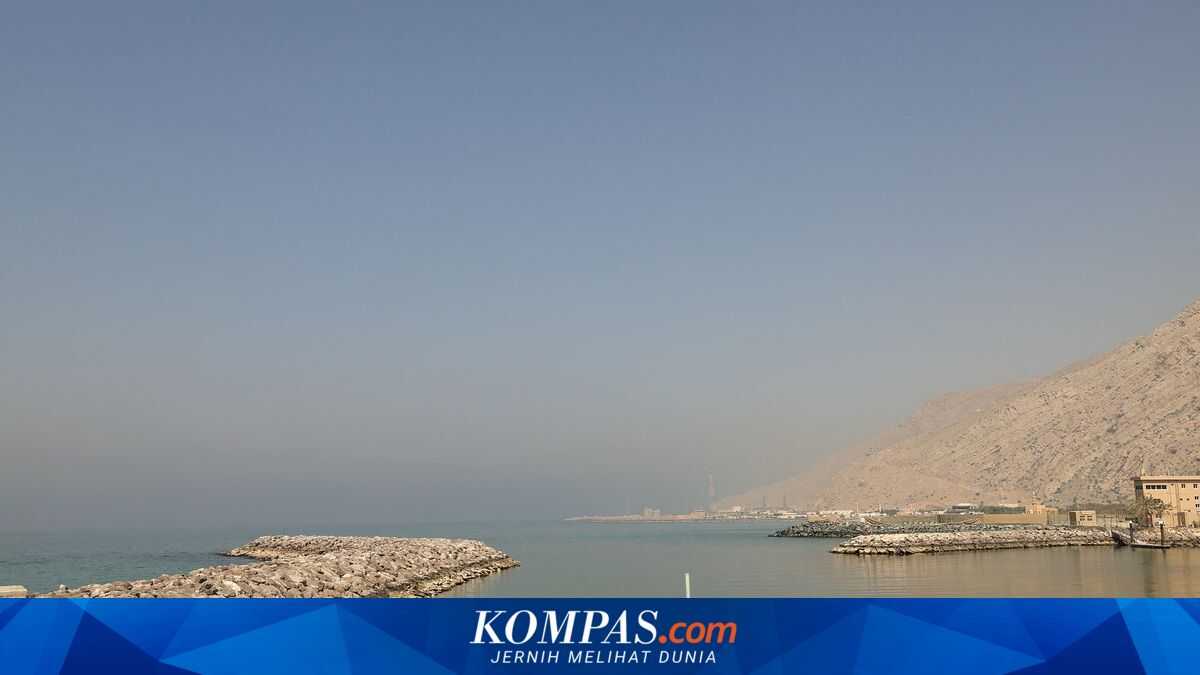
JAKARTA — Geopolitical tensions in the Middle East have reignited concerns in global energy markets following United States military action against Iran over the weekend.
Analysts are warning that escalating conflict has the potential to disrupt global oil supplies, particularly if the strategic Strait of Hormuz shipping route is affected.
Iran is the fourth-largest oil producer within the Organisation of the Petroleum Exporting Countries (OPEC), with production slightly above 3 million barrels per day (bpd) as of January 2026.
To date, the oil market has tended to overlook the risk of supply disruptions in the Middle East. However, several analysts believe market participants may be underestimating the potential impact of Iran’s response to the United States attack.
Bob McNally, former energy adviser to the White House during President George W Bush’s administration and founder of Rapidan Energy, stated that the current situation is extremely serious for the global energy market.
“This is serious,” McNally said, citing CNBC reports.
The price increases occurred as markets began to factor in new geopolitical risks from the developing conflict.
At the close of trading on Friday, Brent crude oil was trading at $72.48 per barrel, up $1.73 or 2.45 per cent. Meanwhile, West Texas Intermediate (WTI) crude closed at $67.02 per barrel, rising $1.81 or 2.78 per cent.
According to data from energy consultancy Kpler, more than 14 million barrels of oil per day passed through the Strait of Hormuz in 2025, representing approximately one-third of total global crude oil exports transported by sea.
The majority of these shipments are destined for Asian countries, including China, India, Japan, and South Korea, with approximately three-quarters of oil transiting the strait bound for these nations.
China, as the world’s second-largest economy, obtains approximately half its oil imports through the Strait of Hormuz.
Iran, according to McNally, possesses substantial reserves of naval mines and short-range missiles capable of disrupting vessel traffic through the strait.
“Iran could attempt to intimidate President Donald Trump by rendering the Strait of Hormuz unsafe for commercial traffic,” McNally stated.
Should the shipping route become unsafe for commercial vessels, global oil prices could spike above $100 per barrel.
“A prolonged closure of the Strait of Hormuz would cause a global recession,” he said.
In addition to crude oil, the Strait of Hormuz is also an important route for liquefied natural gas (LNG) trade. Approximately 20 per cent of global LNG exports pass through this route, with most originating from Qatar.
Should the strait be completely closed, global LNG supplies would also face potential disruption that would be difficult to replace from alternative sources.