
Analysts Identify 2026 as Year of Garuda Acceleration, Potential Exit from Survival Phase
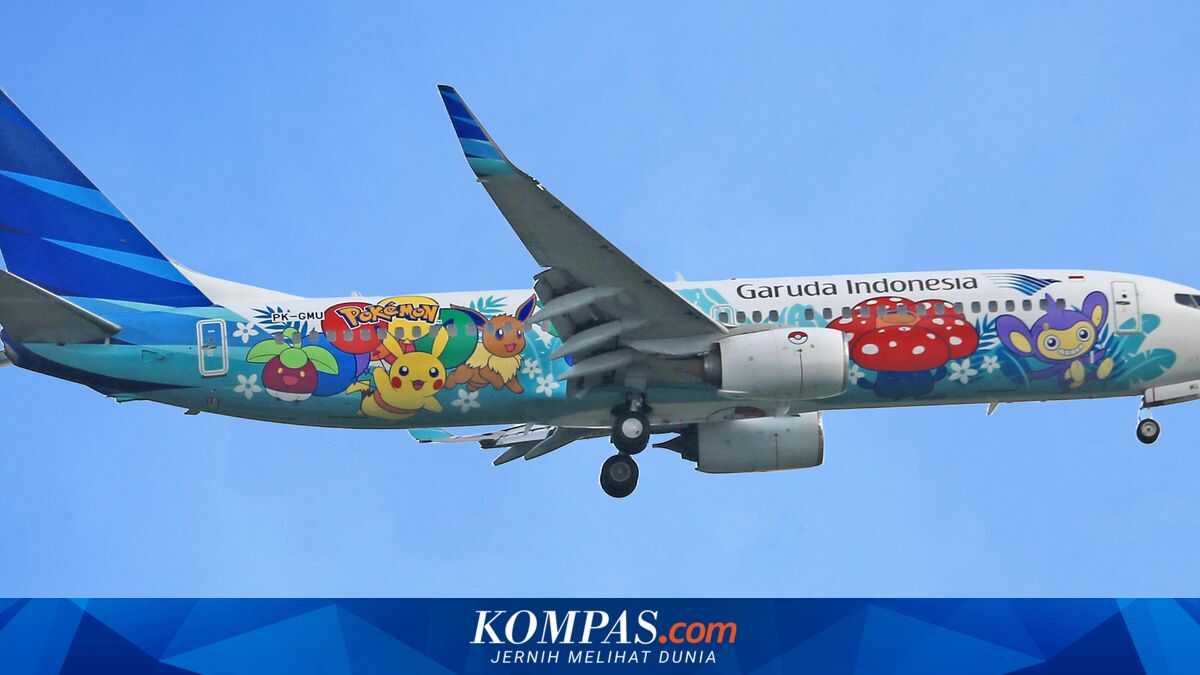
Jakarta – The year 2026 is projected to mark an acceleration phase in the recovery of PT Garuda Indonesia’s (Persero) Tbk (GIAA) operational performance, following a period of fundamental consolidation throughout 2025 and capital structure strengthening from its majority shareholder, Danantara Indonesia.
This projection has emerged alongside a capital injection of Rp 23.67 trillion, which is viewed as fundamentally transforming the company’s structure whilst accelerating the transition from a survival phase towards structured recovery.
UOB Kay Hian analyst Benyamin Mikael has identified this support as the primary catalyst for recovery. “The Rp 23.67 trillion capital injection from Danantara is the principal catalyst transforming the company’s fundamentals and accelerating the recovery process,” stated Benyamin in a statement on Friday (27 February 2026).
This sentiment has been reflected in share price movements. In early January 2026, GIAA shares strengthened by 9.76 per cent to Rp 90 per share, a rise reflecting increased investor confidence in the sustainability of the transformation and shareholder support.
According to Benyamin, Danantara’s presence as a state asset management entity strengthens not only the financial position but also creates structural stability and long-term credibility for the national airline. “The primary focus is ensuring operational readiness and a healthier financial structure as a prerequisite for sustainable growth,” he added.
Throughout 2025, the Garuda Group executed fleet maintenance and reactivation programmes in phases according to operational planning. This progress has demonstrated consistent and measurable improvements in fleet readiness.
This strategy prioritises service quality and sustainability rather than aggressive short-term expansion. This approach is regarded as essential for ensuring the transformation proceeds discipline before entering an optimisation capacity phase.
From an operational perspective, fleet reactivation has shown significant progress. Throughout 2025, 15 aircraft were successfully reactivated. This number will be strengthened by an additional 13 aircraft targeted to operate in 2026. The active fleet increased to 90 aircraft by end of 2025, compared with 68 aircraft in 2022.
Third quarter 2025 performance also recorded improvements in passenger, charter and cargo revenues, accompanied by more disciplined cost management.
Going forward, management is considering strengthening the fleet structure through the addition of six aircraft with direct purchase options to optimise debt structure and improve the leverage profile.
With a combination of capital strengthening, 2025 operational consolidation and 2026 capacity optimisation, management estimates that net profit can be achieved by end of 2027.
For the market, this projection signals a narrative shift: from survival phase to structured recovery. Should transformation discipline and shareholder oversight be consistently implemented, Garuda Indonesia has the potential to reassert its position as a healthier and more competitive long-term national airline.