
Analyst Warns That Flood of Imported Products Is Eroding TKDN in Oil and Gas
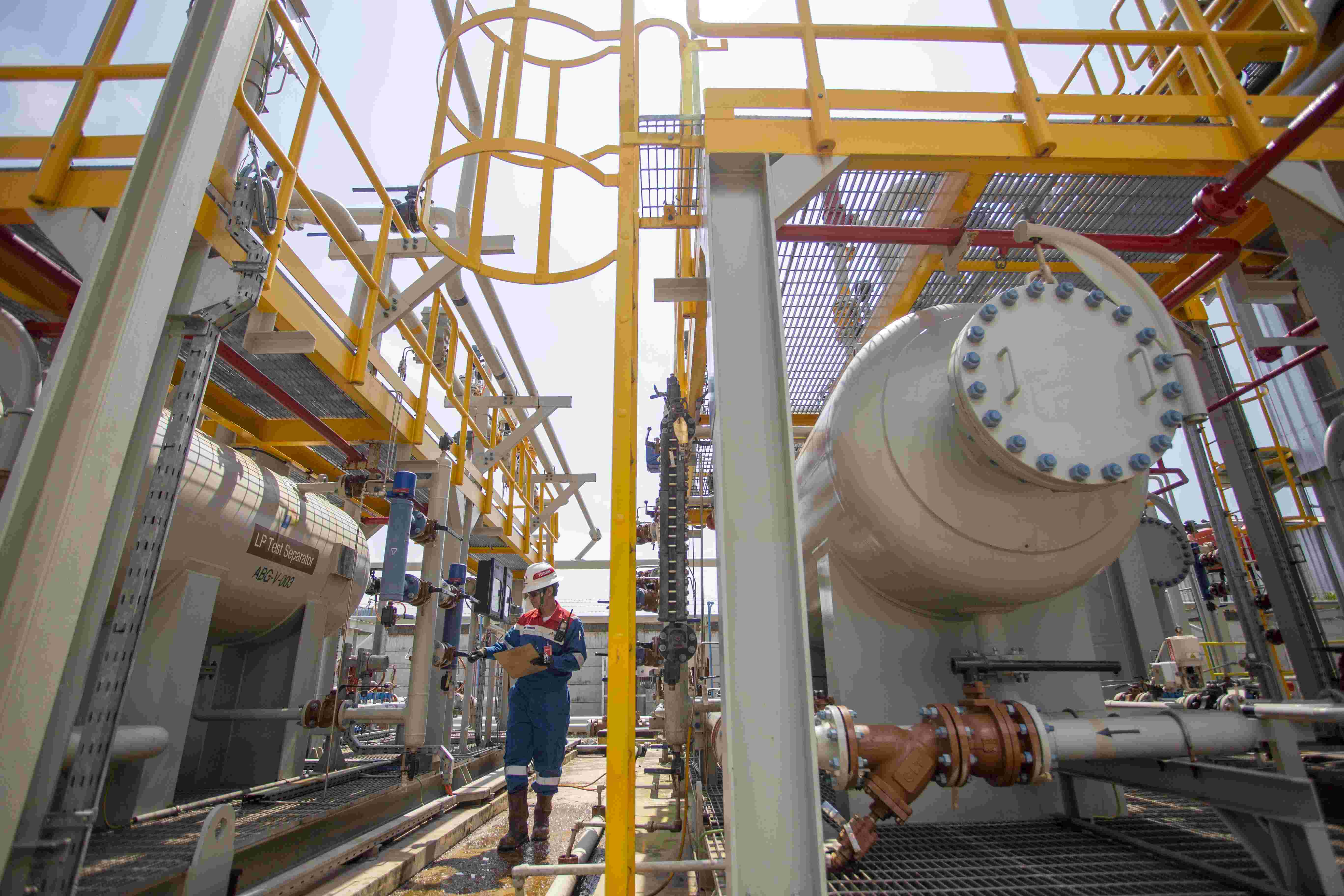
Industry observer Kus Rahardjo has spotlighted the Indonesian upstream oil and gas industry’s minimal use of domestic components. In his observations, imported products are increasingly dominating, thereby stifling the domestic industry.
“Foreign companies enter by bringing in finished goods from abroad, replacing the role of local industries. In many cases, domestic products with equivalent quality do not receive the same opportunities. This is not just about quality. It is about bias and opportunities,” Kus emphasised.
He warned that this situation could systematically shift the role of local industries if not accompanied by policies supporting the use of domestic products.
In this context, the Domestic Component Level (TKDN) policy should serve as a strategic instrument to strengthen national industrial self-reliance, particularly in the upstream oil and gas sector, which involves high investment values and significant operational complexity.
“If TKDN implementation is not optimal, the industry can still operate with the support of imported products, but there is a risk of weakening domestic competitiveness in the long term. Are we willing to become mere spectators in our own home?” Kus questioned.
In his study, over decades, Indonesia has built capabilities in the supporting oil and gas industry. Various domestic producers are capable of manufacturing equipment, components, and technologies needed for upstream operations.
They are not mere supplements but players who understand the field’s characteristics, geographical challenges, and specific domestic industry needs.
However, what is happening now, he continued, is that when local capabilities are already available, the upstream oil and gas industry is instead filled more by foreign players.
“This phenomenon is not merely free market dynamics. When local products do not get fair opportunities, what occurs is no longer healthy competition but a systematic shift in roles,” he stated.
Dangdut Analogy
Kus likened the current upstream oil and gas industry to the dangdut music industry, which is now often performed by foreign singers.
“Dangdut music will remain alive, even if sung by anyone. However, when the original performers are sidelined from their own stage, something essential is lost, and identity slowly fades,” he said.
The upstream oil and gas sector remains crucial in supporting Indonesia’s economy and energy resilience, especially amid the energy transition phase.
From 2020 to 2025, the total value of upstream oil and gas activity contracts reached more than Rp725 trillion, with a TKDN commitment of 59% or around Rp388 trillion.
The existence of the upstream oil and gas industry also complements the benefits from the downstream oil and gas sector, which drives regional economies.
Upstream oil and gas investments are projected to reach between US$16.5 billion and US$16.9 billion by the end of the year.