
Analyst warns of Indonesia's position amid Iran-US conflict
In the current era, narrative is no longer merely a complement but a factor that determines a country’s economic direction.
Jakarta (ANTARA) - Researcher from the Centre for Political and Social Studies at the University of Muhammadiyah Prof. Dr. HAMKA (Uhamka), Emaridial Ulza, assesses that Indonesia’s position in global attention is at risk of disappearing amid the conflict between Iran, Israel, and the United States (US).
In a statement in Jakarta on Monday, Emaridial explained in the Global Trust Intelligence (GTI) strategic report that Indonesia is currently facing a condition known as the strategic invisibility trap.
“This condition does not mean Indonesia is perceived negatively by the international community, but rather that it is entirely absent from global perceptions. In a world filled with rapid information flows, countries that do not appear in the global narrative tend to be disregarded, both in terms of investment, diplomacy, and strategic decision-making,” said Emaridial.
Emaridial explained that from the perspective of international marketing and collective decision neuroscience, global market players and the international public do not solely respond to data but are more influenced by narratives that frequently appear and become embedded in memory.
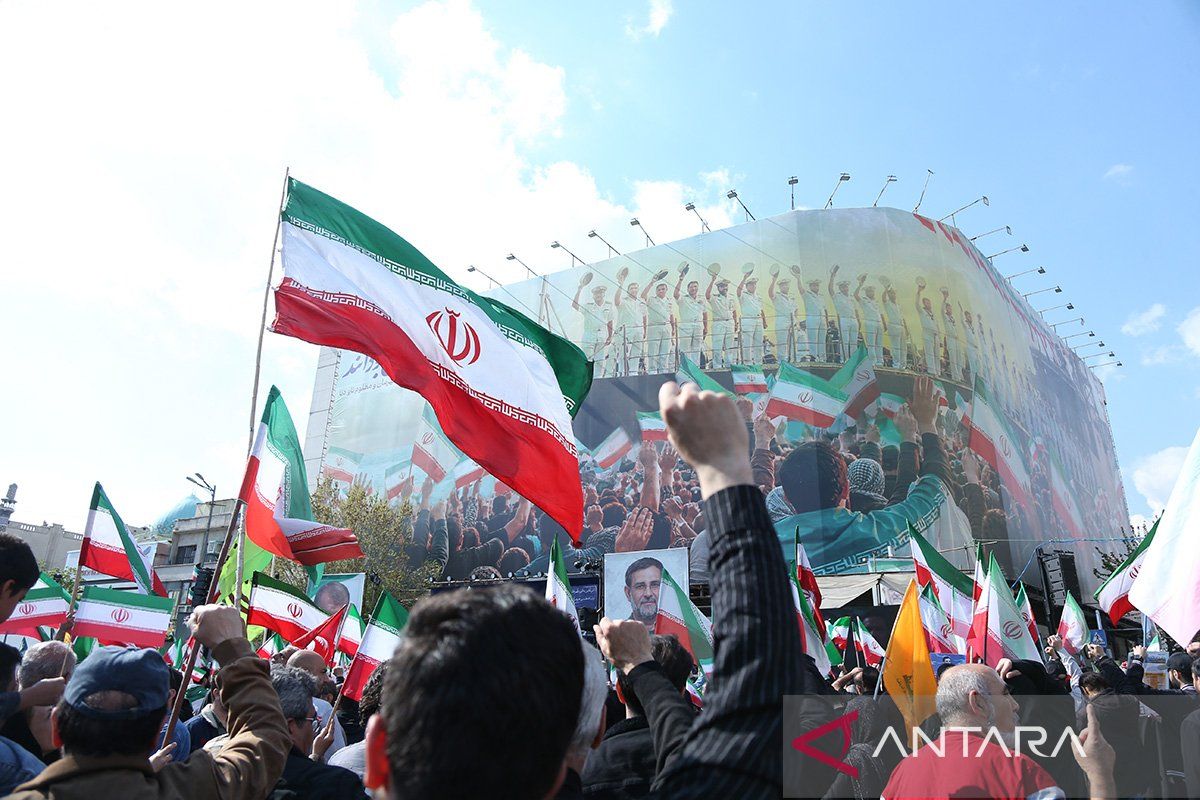
“This phenomenon is clearly evident when compared to Iran. Despite being embroiled in a major conflict, Iran remains present on various global stages and is part of the world’s conversation. Meanwhile, Indonesia, with a population of over 280 million and relatively stable economic growth, does not emerge as a significant actor in the global narrative,” he stated.
According to Emaridial, this situation is not merely an issue of image but has direct impacts on the economy. When reputation, narrative, and perception are disrupted simultaneously, he said, the effects will be felt in the form of delayed foreign investment, increased borrowing costs, and potential capital outflows from the country.
Nevertheless, Emaridial believes Indonesia actually possesses several globally recognised strengths, including success in collecting digital economy taxes, placing Indonesia in the world’s top three, as well as the Free Nutritious Meals Programme (MBG), which is one of the largest human capital investments in the region.
However, according to Emaridial, these strengths have not been effectively communicated at the global level.
“In the current era, narrative is no longer merely a complement but a factor that determines a country’s economic direction. When a country fails to define itself, the world will not see it as an important actor,” said Emaridial Ulza.