
Analyst Warns of Foreign Ownership Risks as Free Float Minimum Set to Rise to 15 Per Cent
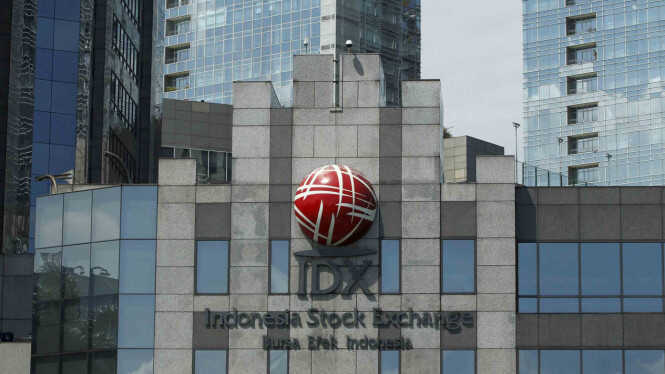
Jakarta, VIVA – The proposal to raise the minimum free float threshold to 15 per cent is an effort to meet international standards as part of Indonesia’s capital market reform. However, the policy is considered to carry a number of potential risks.
Political economy analyst for capital markets, Kusfiardi, assessed that the measure needs to be carefully examined to avoid triggering structural consequences for strategic national ownership. In vulnerable market conditions, Kusfiardi said, large-scale sell-offs could open the door for ownership transfers to global institutions such as BlackRock at discounted valuations.
“Without structural firewalls, transparency could turn into a navigation map for global capital to extract domestic liquidity,” Kusfiardi said, as quoted by Antara on Thursday, 19 February 2026.
He stressed that the issue facing Indonesia is not merely a choice between local oligarchic dominance or global transparency. The more crucial point is ensuring that strategic ownership sovereignty remains safeguarded amid the push for capital market governance reform.
Kusfiardi also highlighted the policy of disclosing ultimate beneficial owner (UBO) data and the list of shareholders holding below 5 per cent. In theory, this policy supports the eradication of market manipulation.
However, in practice, he warned of the potential exploitation of such data by high-frequency trading algorithms and foreign trading bots. These tools are used to formulate precise share accumulation and distribution strategies.
He added that the structure of emerging markets following the 1997 crisis has been relatively open to short-term capital flows. In Indonesia, foreign funds contribute significantly to market liquidity but also frequently become a source of volatility during global turbulence.
Kusfiardi also touched on the plan to release a shareholders concentration list by the end of February 2026. He viewed the policy as inseparable from the dynamics and pressure exerted by global index rating institutions such as MSCI.
“With approximately 18 trillion US dollars in indexed assets, MSCI wields extraordinary pressure on passive global capital flows. When Indonesia’s status is questioned in the name of transparency, it is not merely a governance issue. It is an instrument of market political leverage,” Kusfiardi concluded.