
Analyst: Strait of Hormuz Unsafe While Iran Conflict Continues
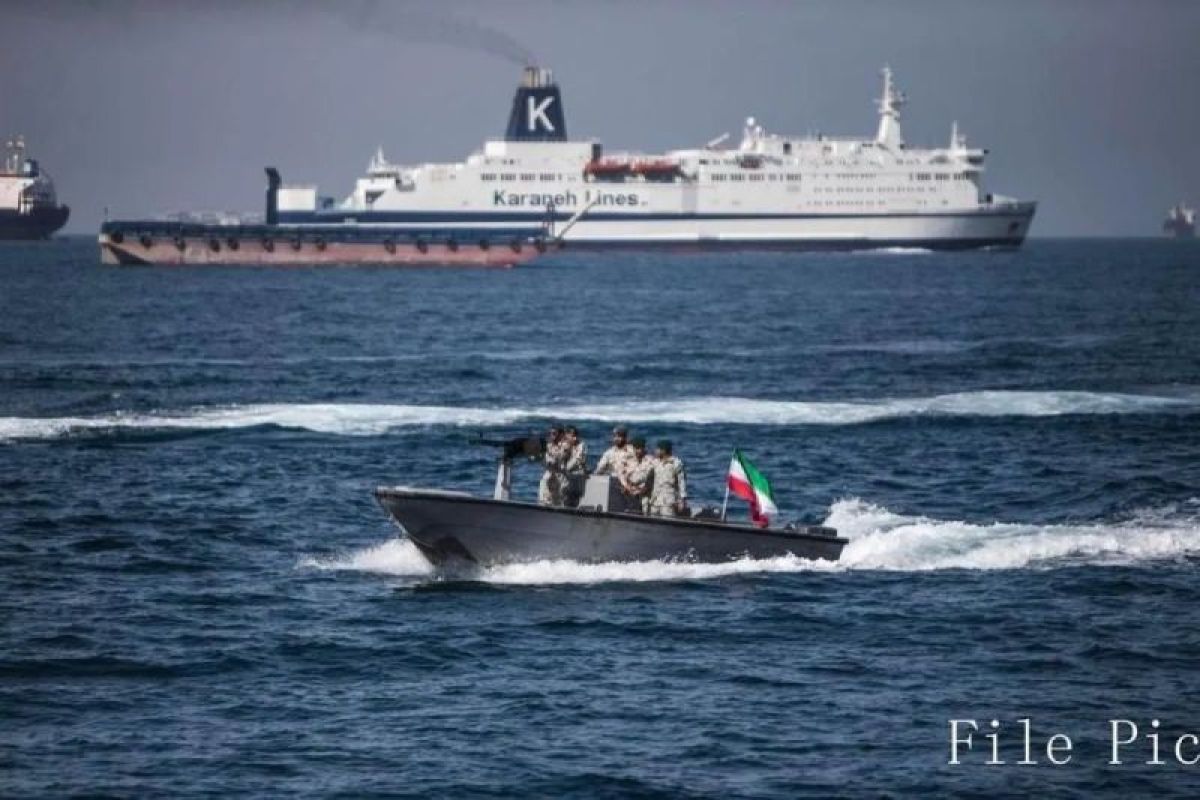
Jakarta — Middle Eastern analyst Faisal Assegaf has assessed that the Strait of Hormuz will not be safe for passage whilst the conflict between Iran and the United States-Israel continues.
“As long as Iran’s war against America and Israel continues, the Strait of Hormuz will not be safe to pass through,” Faisal told ANTARA in Jakarta on Wednesday (11 March).
He explained that Iran has declared its commitment to maintaining national sovereignty by rejecting ceasefire proposals and choosing to continue the war until what Iran describes as the aggressors have received a “lesson”.
“Iran has already stipulated that countries maintaining diplomatic relations with America and Israel must expel the ambassadors of both nations from their territory,” Faisal added.
The escalation of conflict in the region has also impacted the Strait of Hormuz, a strategically important shipping lane traversed daily by vessels carrying approximately 20 million barrels of oil.
Several cargo ships that have continued to transit have been reported struck by projectiles of unknown origin.
Faisal noted that security disruptions in the Strait of Hormuz have caused shipping activity to decline by approximately 90 per cent, potentially driving up global oil prices.
“Currently, only two to three ships pass through the Strait of Hormuz daily, compared to normal conditions which see approximately 100 vessels,” he said.
Recent maritime traffic disruptions in the Strait of Hormuz have triggered concerns about potential cascading effects on energy markets, maritime transport, and global supply chains, according to the United Nations Conference on Trade and Development (UNCTAD) on Tuesday.
In its analytical report, UNCTAD noted that military escalation in the region has disrupted shipping flows through the Strait of Hormuz, a vital waterway carrying approximately one-quarter of global maritime oil trade as well as significant volumes of liquefied natural gas and fertiliser.
The report also noted that oil markets reacted swiftly to the disruptions. Brent crude oil prices surged above USD 90 per barrel shortly after the incident.