
Analyst says Indonesia is key to ASEAN food security
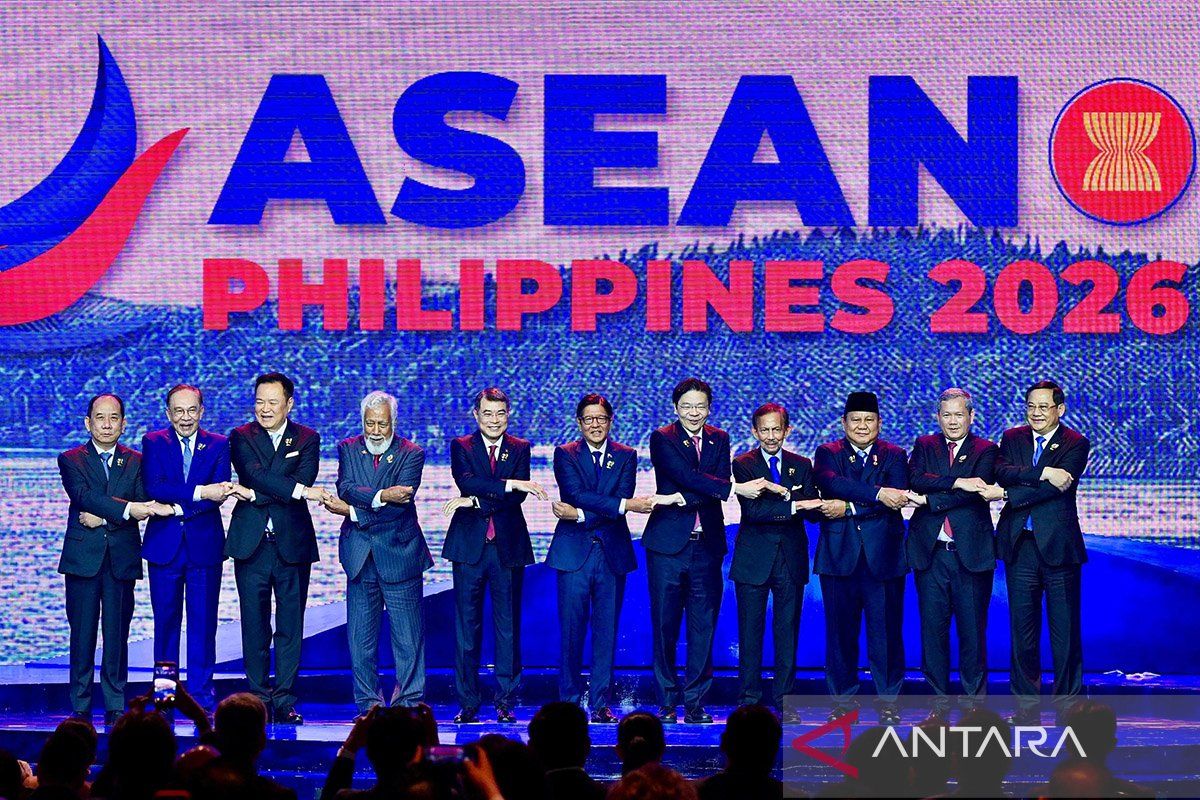
Jakarta (ANTARA) - Middle East analyst from the University of Indonesia, Muhammad Syaroni Rofii, assesses that Indonesia holds a strategic position to promote ASEAN’s energy and food security resilience, given its capacity as one of the key powers in the region.
“Indonesia, as one of the key powers in the region, has the capacity and ability to navigate ASEAN’s direction amid the current geopolitical situation,” Syaroni said when contacted by ANTARA in Jakarta on Wednesday (13/5).
He opined that President Prabowo Subianto’s commitment to food and energy issues from the start of his administration could serve as capital in directing regional policies.
“It just remains to manage influence in the region,” he said.
According to him, this role could be realised through securing joint energy and food stocks, prioritising the distribution of food and energy to ASEAN countries, and strengthening joint research to find alternative energy sources.
The 48th ASEAN Summit in the Philippines positions energy resilience, food resilience, and the safety of ASEAN citizens as top priorities.
Syaroni views the agreements made by ASEAN leaders at the meeting in the Philippines as an important step to demonstrate the region’s stance.
“Countries in ASEAN realise that conflicts in the Middle East have impacts on regional and global instability,” he said.
The ASEAN agreement to strengthen regional energy and food reserves is deemed crucial amid global uncertainties, reflecting the high awareness of Southeast Asian countries towards threats of global energy and food crises.
Disruptions in energy and fertiliser supplies are said to have a direct link to food security, thus ASEAN leaders specifically included energy and food issues in their joint communique.
So far, he said, cooperation at the ASEAN level has tended to be bilateral between countries and there have not been many collective initiatives.
“Conflicts in the Middle East serve as a lesson that regional resilience is very much determined by the collectivity and solidarity of ASEAN member countries,” he said.
He added that the biggest challenge for ASEAN in realising cooperation to strengthen regional energy and food reserves is uniting visions amid differing interests and influences from global powers such as the United States and China.
“The dominant influence of the US and China contributes to differences in attitudes among ASEAN countries. I think choosing one side is a crucial issue in ASEAN because each country’s foreign policy differs,” he said.