
Analyst says coal remains relevant in maintaining energy resilience
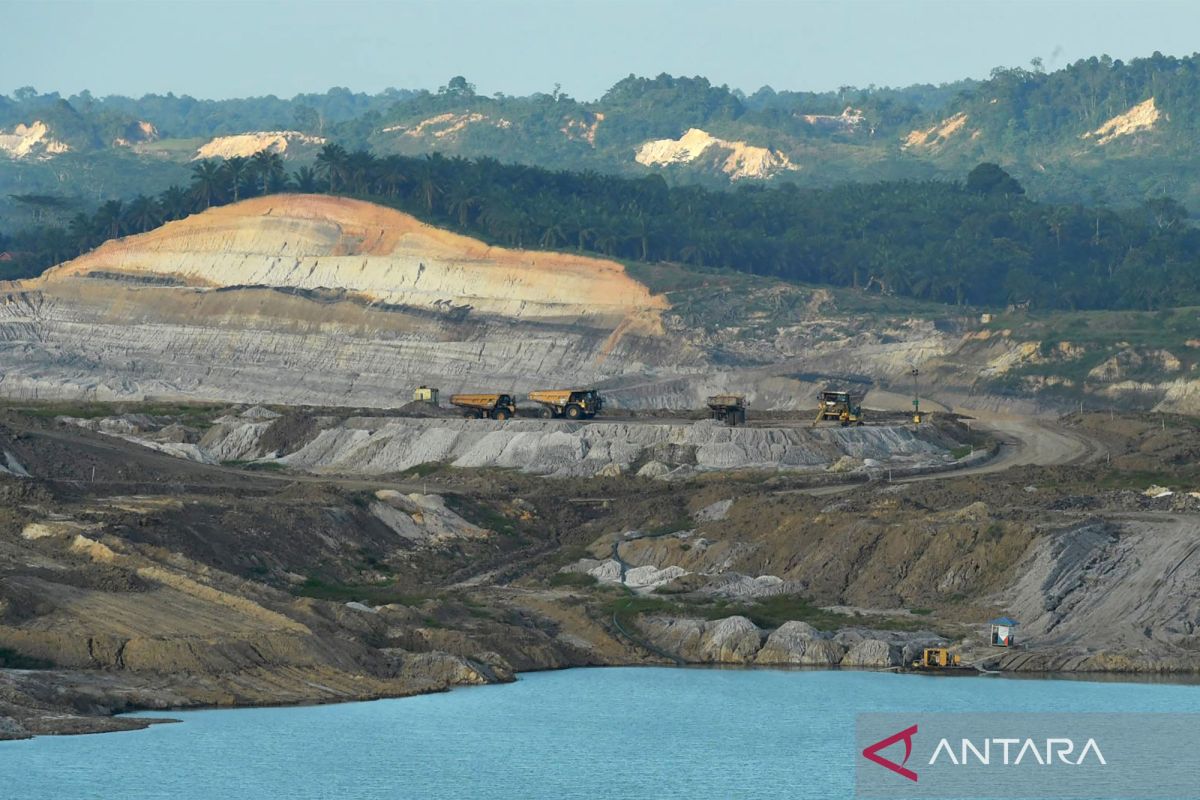
Jakarta (ANTARA) - Executive Director of Daulat Energi Ridwan Hanafi believes that the utilisation of coal remains highly relevant in maintaining national energy continuity amid the evolving dynamics of geopolitics.
“Indonesia is in a relatively safer position. One of the main factors is the strength of domestic energy resources, particularly coal, which continues to be the primary support for the national electricity generation,” said Ridwan in an official statement in Jakarta on Tuesday.
He stated that the increasing geopolitical tensions worldwide, from conflicts in the Middle East to the war between Russia and Ukraine, have made energy resilience a strategic issue that determines a country’s economic stability.
“As we know, negotiations between the United States and Iran, mediated by the Pakistani government, have failed to reach a peace agreement to end the conflict. This failure will certainly trigger a surge in oil and natural gas prices, continuing to rise, and global energy supply disruptions will face significant pressure for many countries, especially those dependent on energy imports,” he said.
Based on data from the Ministry of Energy and Mineral Resources (ESDM) as of September 2025, Indonesia has coal reserves of around 31.9 billion tonnes, with total resources reaching 97.96 billion tonnes.
Ridwan continued that this condition provides a strategic advantage for Indonesia. When oil and gas prices soar in the international market, countries with strong domestic coal supplies tend to be more resilient to energy cost shocks.
“Electricity generation costs can be more controlled, thus minimising the impact on inflation and people’s purchasing power,” he stated.
Nevertheless, national energy policy cannot be separated from the continuously changing global dynamics. Energy crises triggered by geopolitical conflicts show that dependence on imported energy carries significant risks.
“On the other hand, future challenges are not simple. Indonesia still faces dependence on oil imports and some gas to meet domestic needs. This indicates that although strong in coal, the national upstream oil and gas sector still needs to be strengthened,” Ridwan revealed.
“Going forward, Indonesia’s energy strategy needs to be based on a realistic balance, such as optimally utilising the advantages of coal as the main support for national electricity while promoting increased oil and gas production and gradually developing new and renewable energy,” said Ridwan.
Previously, Minister of ESDM Bahlil Lahadalia emphasised that the government will continue to maintain the utilisation of coal for steam power plants (PLTU) to ensure energy efficiency and affordable electricity tariffs for the public.
While attending the IPB Alumni Association event in Jakarta on Saturday (2/5), Bahlil said Indonesia has large coal reserves, so its utilisation is still needed amid global energy resilience dynamics.
He also assessed that Indonesia cannot hastily abandon coal, especially when several advanced countries are instead reopening options for using such fossil fuels.