
Analyst: President's Speech in the DPR Sets the Course for Indonesia's Economic Independence
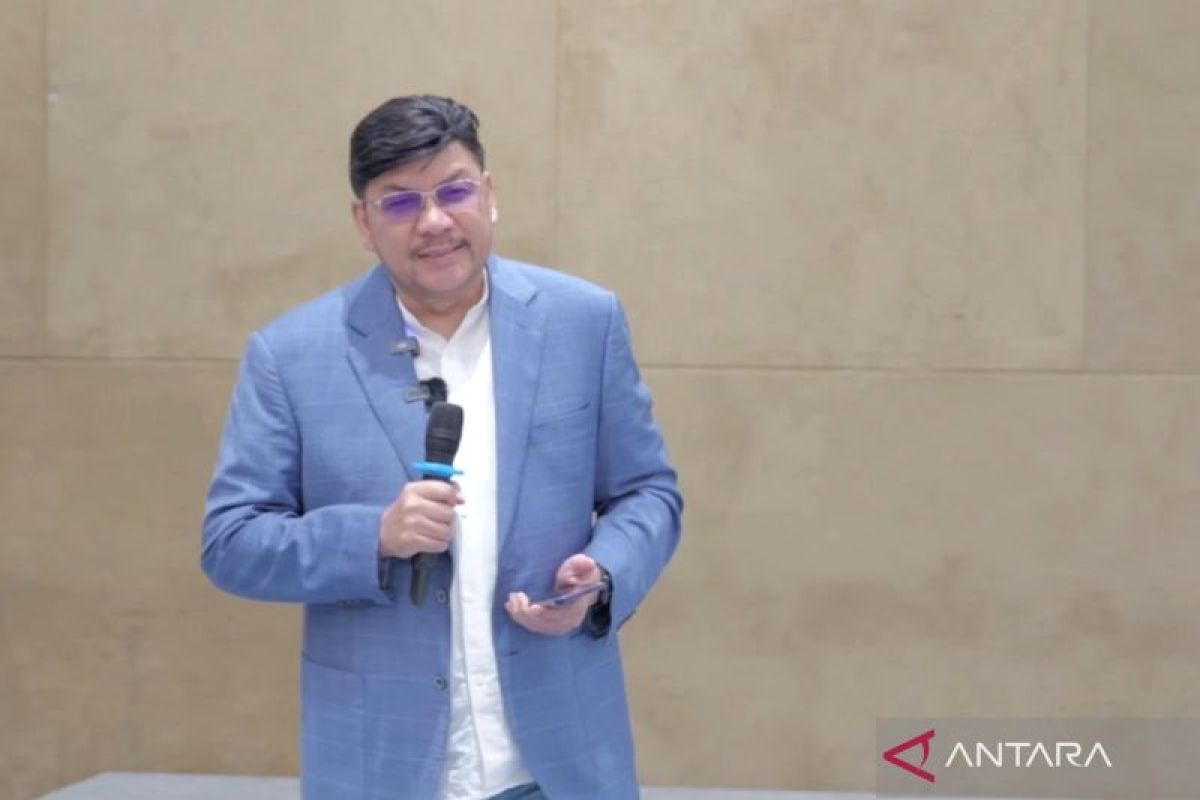
Jakarta — Political analyst and founder of Lingkaran Survei Indonesia (LSI), Denny Januar Ali (Denny JA), said that President Prabowo Subianto’s speech to the DPR RI on 20 May 2026 would chart the direction of the nation’s economic independence. According to Denny, the core of Prabowo’s speech is clear: Indonesia is not poor for lack of natural resources, but because its wealth has long leaked overseas. “This is Indonesia’s greatest paradox: a wealthy nation, yet many of its people have not enjoyed that wealth fairly. If the speech can be translated into policy, President Prabowo would lay the foundations for a new Indonesia. He would be remembered as the Father of the Nation’s Economic Independence,” he said in Jakarta on Friday. He noted that President Prabowo is steering Indonesia toward a nationalist economic model based on Article 33 of the 1945 Constitution (UUD 1945). The state, he said, wants to return to being the primary director of strategic economics; not to kill the market, but to ensure the market works for national interests. During his speech, Prabowo also noted that over 22 years Indonesia recorded a trade surplus of about $436 billion, but around $343 billion flowed back out of the country. “Thus, on average, the leakage reached about $15.6 billion per year or around Rp265 trillion per year,” he said. These leakage figures, he added, refer to statements by the President that draw on notes from the BPS, Bank Indonesia (BI), and the Ministry of Finance (Kemenkeu) over the last two decades. “This is not merely a small leakage. It is a large hole in the national economic structure,” said Denny. He cited Japan, South Korea, and Taiwan, which have become advanced industrial economies not solely due to free markets, but because the state actively engages in selecting strategic sectors, building national industries, directing investment, protecting nascent industries, and pushing technology transfer. The success of the East Asian model, he argued, stems from bureaucracies that are relatively meritocratic, professional, disciplined, and results-oriented. Therefore, a single-window export policy through BUMN will only succeed if implemented transparently, based on digital technology, real-time monitoring, international independent audits, and professional board selection. “If not, the old leakage simply moves house: from the shady private sector to the shady bureaucracy,” he said. According to him, Prabowo’s speech will be remembered if it truly translates into governance discipline, not mere political rhetoric. “Indonesia is indeed rich, but wealth without institutions is only a sad story. Nationalism without competence is a slogan; a strong state without accountability is a danger,” said Denny JA.