
Analyst: Non-Subsidised Fuel Prices Set to Rise in April
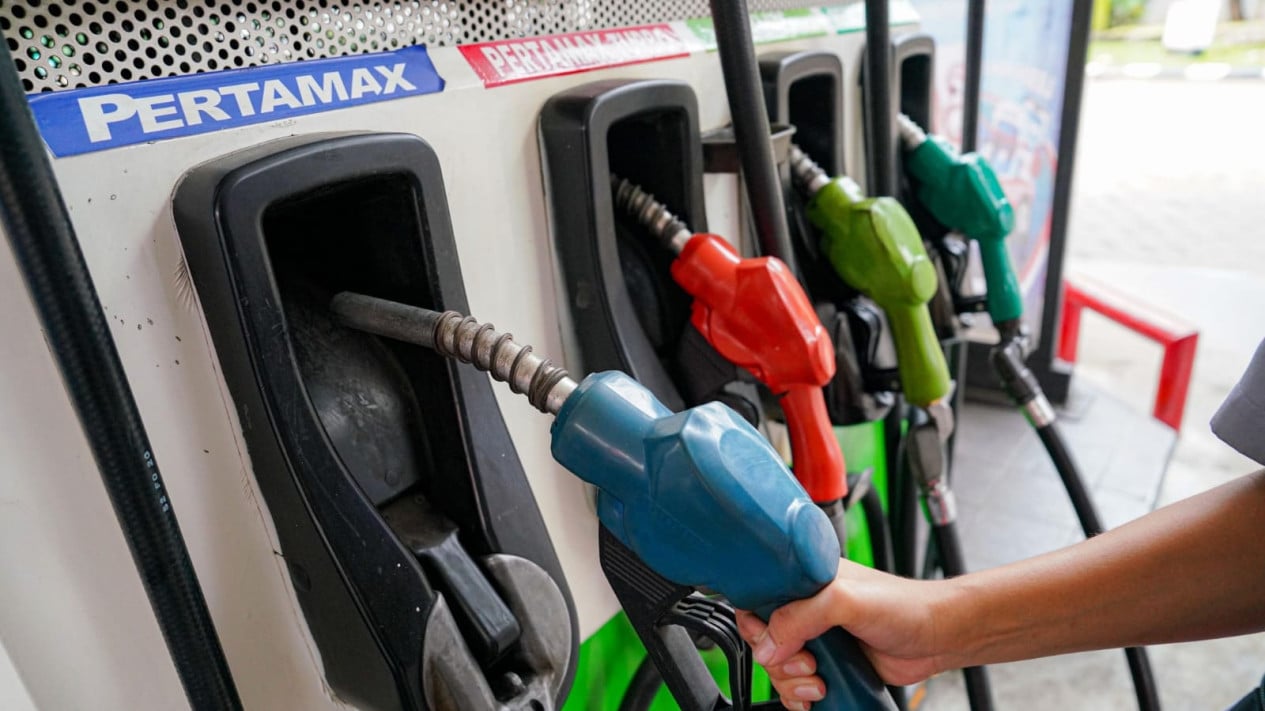
Amid supply constraints in energy across various countries, including Indonesia, analysts from Phintraco Sekuritas project that the selling price of non-subsidised fuel oil (BBM) in the country will rise in April 2026. This view aligns with information circulating on social media.
From the circulating information, the selling price of Pertamax fuel will become Rp17,850 per litre, an increase of Rp5,550 per litre from the previous March 2026 price of Rp12,300 per litre. This surge in retail prices for non-subsidised BBM is reportedly due to the weakening rupiah exchange rate from Rp16,819 to Rp16,877 per US dollar.
Citing VIVA, the price increase for Pertamax (RON 92) is also influenced by a 62.44 per cent jump in the RON 92 fuel market index price (HIP) to US$120 per barrel from US$73.91 per barrel; or an increase of 62.99 per cent (approximately Rp4,925 per litre) from Rp7,818 per litre to Rp12,744 per litre.
Pertamax Green 95 will rise from Rp12,900 per litre to Rp19,150 per litre. Meanwhile, the Pertamax Turbo petrol product will increase from Rp13,100 per litre to Rp19,450 per litre.
The Phintraco Sekuritas analysis team revealed that the fuel price rise is triggered by pressures from global oil prices. Quoting CNBC International, Brent crude oil prices rose 2.07 per cent to US$114.90 per barrel in trading on Monday, 30 March 2026. Meanwhile, West Texas Intermediate crude oil jumped 1.37 per cent to US$101.01 per barrel.
“Non-subsidised BBM is estimated to potentially experience an increase at the time of the monthly fuel price adjustment announcement on 1 April 2026,” the analysis team wrote in their research cited on Monday, 30 March 2026.
This situation, according to the Phintraco Sekuritas analysis team, is pushing the government to prepare various mitigation measures to maintain domestic economic stability. Currently, the government is designing budget efficiency schemes, including options for implementing work from home (WFH) to curb the impact of the energy price surge on the State Revenue and Expenditure Budget (APBN).
The government has identified three main sectors vulnerable to the impact: energy stability, global supply chains, and overall economic growth. To dampen these pressures, several strategic measures are being prepared, including energy conservation and strengthening the biodiesel mandate to 50 per cent (B50).