
Analyst: KPK and PPATK Precisely Target the Heart of Cigarette Excise Administration Issues
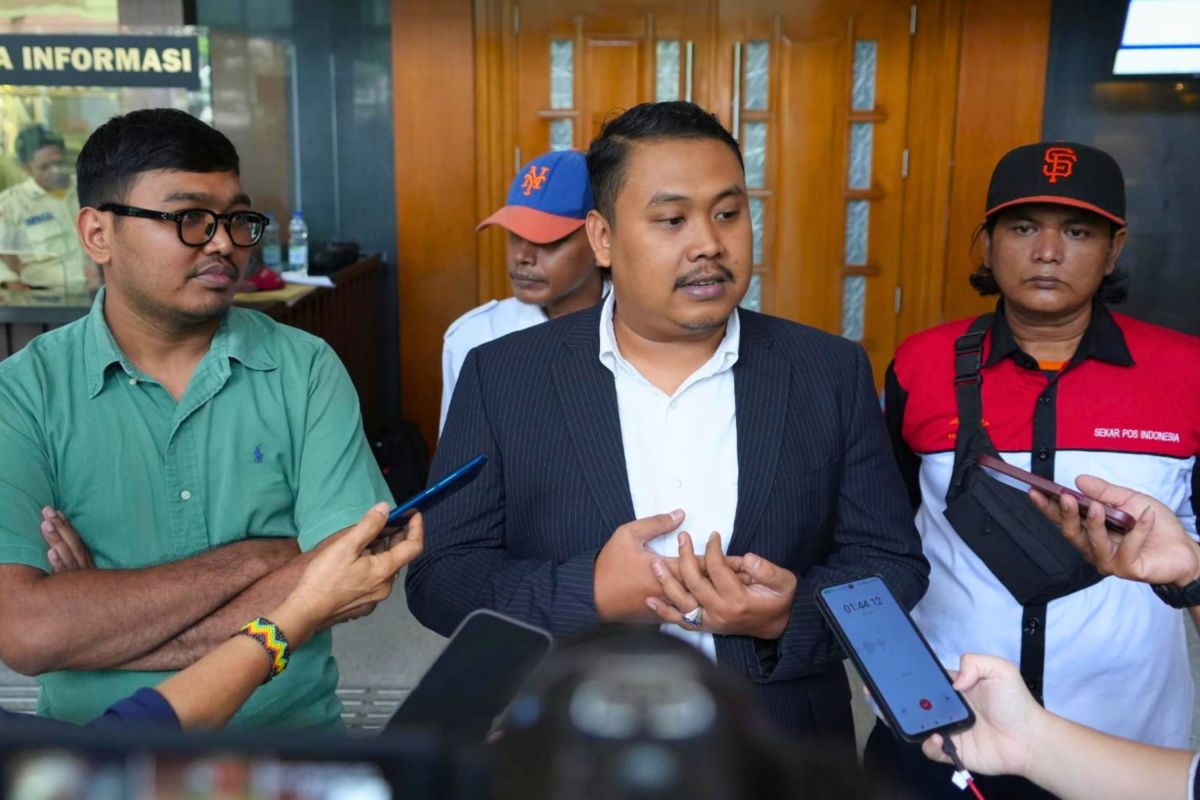
Jakarta (ANTARA) - Micro-industry analyst Chabibi Syafiuddin believes that the steps taken by the Corruption Eradication Commission (KPK) together with the Financial Transaction Reports and Analysis Centre (PPATK) are appropriate because they target the “heart” of the excise administration issues, particularly related to cigarettes.
He stated that the KPK and PPATK are now increasingly aggressive in tracing allegations of misuse of cigarette excise stamps in East Java, which are suspected to involve extensive networks of business actors.
“This step marks a new chapter in the regulation of the tobacco industry, which has long operated in grey areas,” Chabibi said in a statement received in Jakarta on Sunday.
With the support of transaction analysis from PPATK, he said, the KPK is beginning to unravel patterns of fund flows as well as alleged practices of “breeding” excise stamps.
He assessed that this approach systematically opens up the upstream side of the problem, including the possibility of involvement of more complex networks.
Chabibi opined that the case has entered the category of organised economic crime. He emphasised that the practice of “breeding” excise stamps indicates intentional systemic distortion, not just ordinary administrative violations.
If excise stamps can circulate not in accordance with production capacity, he continued, it means there is systemic manipulation, so it is not a minor error, but a structured pattern.
He also highlighted that the issue does not stop at field actors, but extends to broader distribution networks and fund flows.
Therefore, he hopes that the Indonesian National Police (Polri) can demonstrate firmness in cracking down on illegal production.
“Illegal cigarettes are physical goods, where the factories are located, and the routes are clear. If this is not addressed, the public has the right to suspect something is amiss,” he said.
According to him, the KPK has now opened the map so that Polri can enter into the crackdown on illegal cigarettes.
Chabibi reminded that allowing illegal production to continue is tantamount to giving space for networks to survive and develop.
Currently, as many as 271 small and medium-scale cigarette companies in Madura are also reported to be examined as part of the deepening of the case.
However, without firm steps against illegal production, he continued, the process risks becoming mere administrative formalities.
“In the end, the public is waiting for real actions. After the KPK has opened the excise and fund flow side, the ball is now in the hands of National Police Headquarters whether they dare to resolve it up to illegal production or leave legal gaps open,” Chabibi stated.
Previously, the KPK had examined cigarette entrepreneur Khairul Umam alias Haji Her on 9 April 2026, related to excise administration in the environment of the Directorate General of Customs and Excise of the Ministry of Finance.
“How is the mechanism in the field? Is it already in accordance with the standard procedures in the Directorate General of Customs and Excise for that excise administration, or what? This then enters the examination material,” said KPK Spokesperson Budi Prasetyo to journalists in Jakarta on Friday (10/4).
Meanwhile, he said that the examination of Haji Her is not the last one. According to him, the KPK will not stop examining cigarette entrepreneurs in the investigation of the case.