
Analyst Identifies Four Factors That Determine Smooth Lebaran Mudik
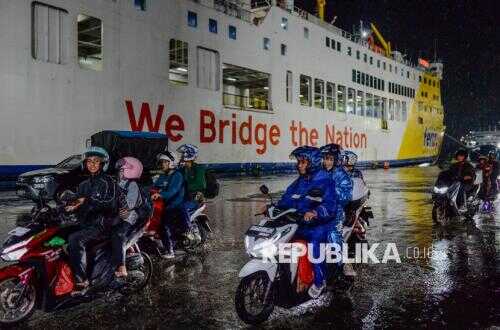
Jakarta — Transport analyst Djoko Setijowarno has warned of several crucial factors that could affect the smooth flow of the Lebaran mudik this year. These include the availability of fuel (BBM), the public’s economic condition, transport safety, and weather factors.
Djoko says BBM availability must be a serious government concern amid global geopolitical dynamics that could disrupt energy supplies. He notes that the surge in mobility during mudik heavily depends on fuel availability.
‘Whatever the turmoil of this war, it continues to affect the BBM sector’s supply. If there is no BBM for this level of mudik, we cannot move. Therefore, this must be taken into account,’ Djoko said on Friday (6 March 2026).
He explained that Indonesia’s energy supply is also heavily influenced by procurement from abroad, which takes a long time. ‘Procurement from America takes 30 to 50 days. Hopefully the government has calculated this correctly, because this is serious,’ he said.
Beyond energy issues, Djoko also highlighted that the public’s economy is slowing. Based on a survey he presented, the potential number of mudik travellers this year is about 143 million, down from 150 million last year. ‘This decline shows economic weakness. I come from the region and have seen the conditions on the ground. The slowdown is palpable and will certainly influence people’s decision to undertake long-distance mudik,’ he said.
Djoko also stressed the importance of transport safety. He pointed to the condition of the tourist bus fleets often used in the free mudik programme. Data he received shows that around 62 per cent of tourist buses in Central Java were recorded as not roadworthy during inspections. ‘The free mudik programme mostly uses tourist buses. If 62 per cent are not roadworthy, this must be a serious concern. We must not let the free mudik programme neglect safety,’ he said.
He also assessed that budget cuts in the transport sector, particularly at the Ministry of Transport of the Republic of Indonesia, could weaken safety oversight on the ground. ‘There can be budget savings, but do not cut safety budgets. If oversight is weak, the risk of accidents will rise,’ he said.