
Analyst: Fitch Ratings’ Outlook Adds Pressure on the IHSG
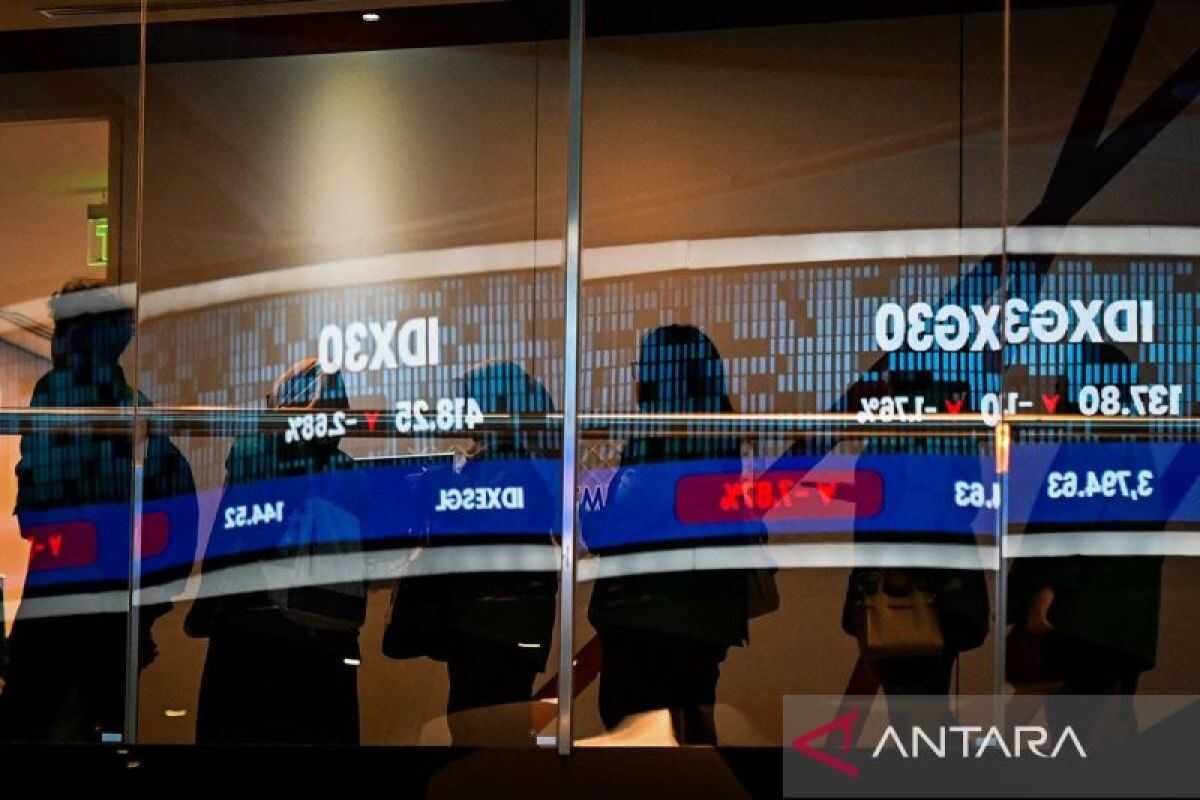
The Jakarta-based market analyst and founder of Republik Investor, Hendra Wardana, said the sharp decline in the IHSG on Wednesday (4/3) reflected the accumulation of global and domestic pressures. He noted that pressure on the IHSG intensified after Fitch Ratings revised Indonesia’s outlook from stable to negative, while keeping the sovereign rating at BBB, an investment-grade level. ‘This change in outlook is not a downgrade, but the market reads it as a signal of rising risk going forward, particularly regarding fiscal resilience and policy stability,’ Wardana told Antara in Jakarta on Wednesday. In a global environment already roiled by geopolitical tensions and higher energy prices, he said the outlook change adds sentiment that accelerates selling pressure, especially from foreign investors sensitive to macro risks. ‘Thus, the correction in the IHSG is not only about war or oil prices,’ he added. He explained that there are technical factors such as profit-taking after a long rally since the start of the year, a weaker rupiah due to short-term capital outflows, and concerns that higher energy inflation could limit room for rate cuts. ‘The combination of external and domestic sentiment makes the market pressure deeper and faster,’ Wardana added. Looking ahead to end-March 2026, he said the IHSG’s direction will be determined by two main variables: global oil prices and the stability of the rupiah. As long as Brent remains below $90 per barrel, pressure is likely to stay limited to short-term volatility. However, if oil prices approach $100 per barrel and there are disruptions to physical distribution through the Strait of Hormuz, the market could enter a deeper risk-off phase. ‘Technically, the 7,500–7,600 zone is an important psychological support for the IHSG,’ he said. Meanwhile, if tensions ease and the rupiah stabilises, the IHSG could rebound gradually to around 7,900–8,100 by end-March 2026. ‘Conversely, if the conflict escalates and fiscal pressures rise, the index remains at risk of testing the 7,400 area again. This phase is better described as consolidation with high volatility rather than a long-term trend change, as long as domestic fundamentals remain intact,’ Wardana added. For investors, he emphasised the need for balance between caution and opportunity. ‘No need to panic, but it is not wise to be overly aggressive. A gradual approach, focusing on issuers with strong fundamentals and healthy cash flow, and discipline in risk management are key,’ he said. In an environment of high uncertainty, he argued, portfolio quality and asset allocation are more important than chasing short-term momentum. Fitch Ratings revised Indonesia’s outlook from stable to negative while keeping the sovereign rating at BBB (investment grade). The negative outlook reflects rising concerns about policy uncertainty. Fitch noted that increasing centralisation of policymaking could affect medium-term fiscal prospects, investor sentiment and external resilience. Still, the BBB rating is supported by Indonesia’s track record of macroeconomic stability, reasonable medium-term growth prospects, a relatively moderate debt-to-GDP ratio, and adequate foreign exchange reserves. In data for the second session on Wednesday (04/03) at 14:07 WIB, the IHSG fell 417.95 points or 5.26% to 7,521.81, in line with regional stock markets. Trading frequency stood at 2,503,431 transactions, with 41.16 billion shares traded worth Rp21.43 trillion. A total of 38 stocks rose, 743 fell, and 35 remained unchanged.